
How to Effectively Monitor Credit Report for Errors
Monitoring your credit report for errors can protect your credit score and financial future. In this article, you’ll learn why it is important to monitor credit report for errors, how errors occur, and the steps to correct them efficiently.
Key Takeaways
Regular monitoring of your credit report is essential to identify errors or identity theft, which can adversely affect your credit score.
You are entitled to one free credit report from each of the three major bureaus annually, allowing for proactive error identification and correction.
Disputing any inaccuracies requires detailed documentation and follow-up, ensuring the accuracy of your credit report to maintain financial integrity.
Importance of Monitoring Your Credit Report

Regularly checking your credit report helps identify identity theft, which might result in unauthorized inquiries or accounts in your name. These fraudulent actions can significantly damage your credit score and take a long time to correct. Closely monitoring your credit report allows you to quickly spot and address any suspicious activities.
Maintaining accurate information on your credit report is vital for a good credit score. Your credit score reflects your financial health and significantly influences your ability to secure loans, credit cards, and favorable interest rates. Errors like incorrect account statuses or balance discrepancies can misrepresent your financial behavior and impact your creditworthiness.
Proactive credit monitoring enables timely intervention when errors occur. This allows you to correct mistakes before they cause significant damage. Regular checks ensure the accuracy of your information, aiding informed financial decisions and future planning.
In today’s fast-paced financial world, where your credit score affects everything from loan approvals to job prospects, controlling your credit report is imperative. Ensuring the accuracy of your credit report is an investment in your financial well-being and peace of mind.
How to Access Your Free Credit Reports
Accessing your free credit reports is the first step to ensuring the accuracy of your financial information. The Fair Credit Reporting Act entitles you to one free credit report from each of the three major credit bureaus—Equifax, Experian, and TransUnion—once every 12 months. This enables you to verify the information in your report and catch any errors early. Additionally, Equifax Information Services LLC plays a significant role in the credit reporting process.
You can request your credit reports by phone by calling 877-322-8228, where your identity will be verified before the reports are sent. Alternatively, obtain your reports by mail by completing a request form and sending it to the Annual Credit Report Request Service. This straightforward process ensures you receive your credit reports directly from the bureaus.
Downloading your credit report online offers another convenient option. Visit the Annual Credit Report website to access your reports from each of the three major bureaus. Staggering your requests every four months helps you monitor your credit more frequently without additional cost. This strategy ensures closer monitoring of your credit throughout the year.
Carefully reviewing your reports upon obtaining them is crucial. Identify any discrepancies or unfamiliar accounts and note potential errors. This proactive approach helps maintain an accurate and up-to-date credit file, essential for your financial health.
Common Errors Found in Credit Reports
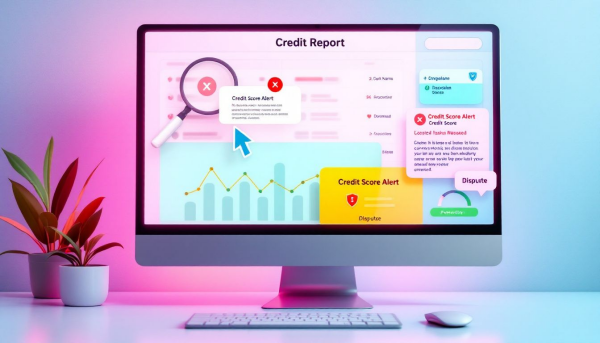
Common credit report errors range from minor inaccuracies to significant mistakes that affect your credit score. Identity errors like misspelled names or wrong addresses are among the most frequent issues. These errors can create confusion and potentially mix your credit file with someone else’s, causing further complications.
Mixed credit files can result in accounts or inquiries appearing on your report that do not belong to you. This can severely impact your credit applications and overall creditworthiness. In some cases, individuals may be incorrectly listed as deceased, creating substantial barriers to accessing credit.
Other common inaccuracies include outdated payment histories and accounts showing balances even after being paid off. These errors can mislead potential lenders or creditors, making you appear less creditworthy. Inaccurate or incomplete information can also result in identity theft instances, leading to unauthorized accounts or transactions appearing on your report.
Credit report errors are alarmingly common and can have significant consequences. Regularly reviewing your credit report is crucial to promptly identify and correct these errors. This ensures that your credit report accurately reflects your financial history and behavior.
Steps to Review Your Credit Report for Errors

A vigilant and tenacious approach is needed to review your credit report for errors. Begin by downloading your credit report from each of the three major credit bureaus. Meticulously examine identification fields for inaccuracies like misspelled names or incorrect addresses. Unchecked, these errors can lead to significant credit issues.
Carefully scrutinize each account listed on your report. Watch for unknown accounts, duplicates, or incorrect payment information. These errors can harm your credit score and misrepresent your financial behavior. Promptly identifying and addressing these mistakes is crucial for maintaining an accurate credit report.
Closely monitor the status and balance of each credit account. Ensure closed accounts are marked appropriately and paid-off balances are accurately reflected. Errors in these areas can mislead lenders and negatively impact your creditworthiness. Thoroughly reviewing your report helps catch and correct errors before they cause significant damage.
Regularly reviewing your credit report is a proactive measure for maintaining your financial health. Identifying and addressing errors ensures your credit report accurately represents your financial behavior, aiding informed financial decisions.
How to Dispute Errors with Credit Bureaus

Disputing errors with credit bureaus requires gathering supporting documents and writing a detailed dispute letter. Your letter should clearly describe each contested item and include copies of supporting documents to clarify discrepancies. This strengthens your claim and ensures the credit bureau understands the issue.
Submit disputes through the credit bureaus’ websites, by mail, or by phone. When mailing your dispute, include your contact details, a description of each error, and copies of supporting documents. Sending disputes via certified mail with a return receipt ensures your dispute is received and provides proof of receipt.
Credit bureaus must investigate disputes within 30 days unless deemed frivolous. During this period, they will review the disputed information and contact the data furnisher to verify its accuracy. If changes are made following the investigation, you will be notified in writing. It’s important to keep copies of your dispute letter and documents for your records.
The dispute process can be time-consuming but is crucial for ensuring the accuracy of your credit report. Taking these steps helps dispute credit report errors and maintain a credit report that accurately reflects your financial behavior.
Follow-Up Actions After Filing a Dispute
After filing a dispute, follow up within 30 days to ensure the credit bureau completes its investigation. Credit bureaus are required to notify you of the investigation results, and any changes to your credit report should be communicated in writing. Monitoring your credit report during this period ensures corrections are made.
If you disagree with the dispute results, request the credit bureau to include your statement of disagreement in your file and future reports. This provides additional context to potential lenders or creditors reviewing your report. If disagreements persist, consider filing another dispute with additional supporting information.
Continued credit report monitoring is crucial even after reporting an error. If updates do not appear within several months, contact the credit bureau and the information furnisher to follow up on your dispute status. This proactive approach ensures your credit report remains accurate and up-to-date.
Preventing Future Errors on Your Credit Report

Prevent future errors on your credit report by utilizing credit monitoring services, which notify you about any changes or new entries. Monitoring your credit report regularly, at least once a year, helps identify potential identity theft and other discrepancies.
Keeping your personal information up-to-date with creditors helps prevent inaccuracies. Notify them of any changes in your address or contact details. Providing complete and consistent personal identification during credit applications reduces the likelihood of errors.
Carefully reviewing your bills and financial statements helps identify incorrect charges or balances early on. Monitoring your financial accounts for suspicious activities is another proactive step to maintain the accuracy of your credit report. By taking these measures, you minimize the risk of errors, ensuring your credit report accurately reflects your financial behavior.
Summary
In summary, regularly monitoring your credit report is crucial for identifying and correcting errors that can impact your financial health. By accessing your free credit reports, reviewing them for common errors, and disputing inaccuracies, you can maintain an accurate credit file. Proactive steps, such as using credit monitoring services and keeping personal information up-to-date, help prevent future errors.
Taking control of your credit report is an investment in your financial well-being. By ensuring that your credit report is accurate, you can secure better loan terms, avoid potential financial pitfalls, and achieve your financial goals with confidence.
Frequently Asked Questions
What are common errors found in credit reports?
Common errors in credit reports often encompass misspelled names, incorrect addresses, inaccurate account statuses, and balance discrepancies. It is crucial to regularly check your credit report for such mistakes to maintain accurate creditworthiness.
How can I access my free credit reports?
You can access your free credit reports annually from the three major credit bureaus by requesting them online, by phone, or via mail. Ensure to take advantage of this opportunity to monitor your credit health.
What should I do if I find an error in my credit report?
If you find an error in your credit report, it is essential to gather supporting documents and submit a detailed dispute letter to the credit bureau. This will help ensure that the error is corrected promptly.
How often should I check my credit report?
You should check your credit report at least once a year, and consider staggering requests from the three bureaus for more frequent reviews. This practice can help you maintain awareness of your credit standing and catch any discrepancies early.
What are the follow-up steps after filing a dispute?
After filing a dispute, it is essential to follow up within 30 days; if you remain unsatisfied with the results, consider adding a statement of dispute to your file and continue monitoring your credit report.