What Is Credit Monitoring and How It Protects You
Credit monitoring is a service that tracks changes in your credit reports and alerts you to suspicious activities like identity theft. It helps you maintain your financial health by notifying you about new accounts, credit inquiries, or significant credit score changes. This article will dive into how credit monitoring works, its benefits, and what is credit monitoring to look for in a service.
Key Takeaways
Credit monitoring helps protect against identity theft by alerting users to changes in their credit reports, enabling prompt action against suspicious activities.
Comprehensive credit monitoring services track reports from all three major credit bureaus and offer real-time alerts for significant changes, enhancing financial security.
Users can choose between free and paid credit monitoring services, with paid options typically providing more extensive features such as tri-bureau access and identity theft protection.
Understanding Credit Monitoring
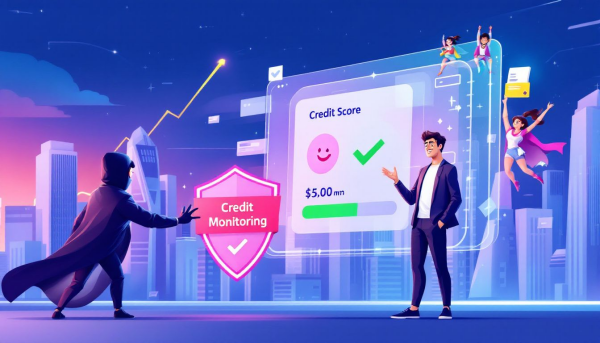
Credit monitoring is a proactive approach to safeguarding your credit health by tracking changes in your credit reports and alerting you to potential issues. It involves regularly examining your credit reports for any discrepancies or unusual activities that could indicate identity theft or fraud. The primary function of credit monitoring is to notify users of changes in their credit reports, such as new accounts, hard inquiries, or significant shifts in credit scores.
These alerts are crucial because they can help you respond quickly to suspicious activities. For instance, an unexpected drop in your credit score or a new account you didn’t open can be red flags for identity theft. Timely notifications allow you to act swiftly to mitigate potential damage to your credit profile.
Typically, credit monitoring services notify users via email or text when changes occur in their credit reports. This real-time insight into your credit status not only helps prevent identity theft but also enables you to make informed financial decisions and maintain a healthy credit history. Regularly monitoring your credit can reveal errors or inaccuracies that might affect your ability to secure loans or other financial products.
How Credit Monitoring Services Operate
Credit monitoring services work by keeping an eye on your credit reports. They can track reports from one, two, or all three of the major credit bureaus: Experian, Equifax, and TransUnion. These services make soft inquiries on your credit file, which do not affect your credit score, to stay updated on any changes. When a significant update occurs, such as a new credit inquiry or a notable change in your credit score, the credit bureau service alerts you promptly.
The process begins with the credit monitoring service accessing your credit reports. It scans for activities such as new account openings, hard inquiries from potential creditors, and changes to your credit in account balances or payment history. If any of these activities are detected, you are notified via real-time alerts, allowing you to address potential issues immediately. Credit reporting is an essential aspect of maintaining your financial health.
These notifications can come through various channels, including email, text messages, or push notifications, depending on the service you choose. By keeping you informed of changes, credit monitoring services empower you to take swift action to protect your financial health and prevent fraud.
Benefits of Using Credit Monitoring Services

Credit monitoring services offer a range of benefits that can significantly enhance your financial security and management. One of the primary advantages is protection against identity theft. These services detect early signs of fraudulent activities, such as unauthorized account openings or unexpected credit inquiries, by monitoring changes in your credit reports.
Another significant benefit is the ability to detect errors in your credit reports that could affect loan approvals and other financial decisions. Whether it’s a mistake in your payment history or an incorrect account listing, credit monitoring services can help you identify and correct these issues, ensuring your credit profile is accurate and up-to-date.
Real-Time Alerts for Credit Changes
One of the standout features of credit monitoring services is the provision of real-time alerts for any changes in your credit profile. These services notify you immediately if new accounts are opened, significant purchases are made, or other critical changes occur. This instant notification system is designed to keep you informed and enable quick responses to potential threats.
These alerts can be tailored to suit your preferences, ensuring that you are notified about the activities most relevant to you, such as unfamiliar accounts, bankruptcies, and changes in payment history. Staying informed allows you to take proactive steps to protect your financial health and promptly address any suspicious activities.
Monitoring All Three Credit Bureaus
Comprehensive protection requires using credit monitoring services that track reports from all three major credit bureaus: Experian, Equifax, and TransUnion. Tracking all three bureaus ensures that no fraudulent activity or reporting errors slip through the cracks, offering a complete view of your credit status.
Choosing a service with tri-bureau monitoring guarantees comprehensive coverage and peace of mind. This approach ensures that any discrepancies or unauthorized activities are detected promptly, allowing you to maintain a secure and accurate credit profile.
Free vs. Paid Credit Monitoring Services
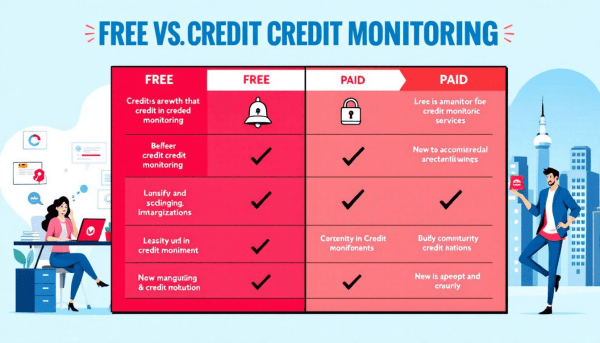
When it comes to choosing a credit monitoring service, you have the option of free or paid services, each with its own set of features and limitations. Free credit monitoring services are often effective at focusing on tracking your credit scores and providing basic alerts for changes. However, they may have limitations in terms of the comprehensiveness of monitoring and the speed of alerts.
Paid credit monitoring services, on the other hand, tend to offer more robust features. These can include tri-bureau access, more frequent updates, and additional tools for managing cybersecurity and identity theft protection. While the cost of paid services can be a consideration, often exceeding $200 annually, the enhanced protection and peace of mind they provide can be worth the investment.
Weigh the benefits and limitations of each service type based on your specific needs and budget. Free services can be a good starting point for those seeking basic monitoring without additional costs. However, if you require comprehensive monitoring and additional security features, investing in a paid service may be the better choice.
Additional Features of Credit Monitoring Services

Beyond basic monitoring, many credit monitoring services offer a variety of additional features to enhance consumer protection. These can include identity theft insurance, restoration assistance, and tools like Experian Boost, which can help improve your credit score by adding positive payments to your credit file.
Identity Theft Protection
Identity theft protection is a critical feature offered by many credit monitoring services. This can include scanning the dark web for stolen personal information and notifying you if your data is found on illicit platforms. Dark web monitoring is crucial as it identifies if your personal data, such as your Social Security number or financial information, is being sold or misused.
Additionally, some premium services provide identity theft insurance, which helps cover the financial costs associated with identity theft incidents. Fraud alerts are another essential feature, notifying you of any suspicious activities linked to your identity, enabling you to take immediate action to mitigate potential damage.
Credit Score Tracking
Tracking your credit score over time is another valuable feature of credit monitoring services. These services provide tools that help you understand how your credit scores are changing and what factors are influencing these changes. By monitoring your credit score, you can make more informed financial decisions and take steps to improve your credit health.
Some services also offer insights into the factors that affect your credit score, allowing you to identify areas for improvement and take corrective actions. This proactive approach can help you maintain a strong credit profile and achieve your financial goals.
How to Choose the Best Credit Monitoring Service
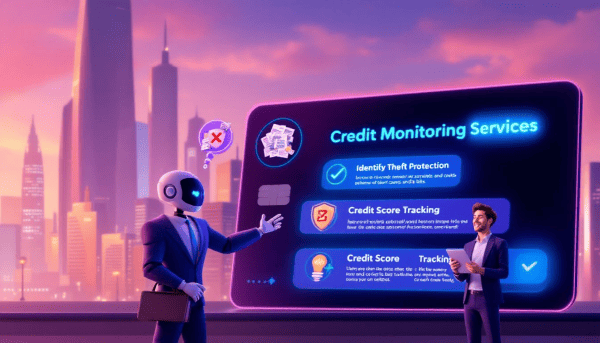
Choosing the best credit monitoring service involves understanding your specific needs and preferences. Consider the frequency of alerts, the comprehensiveness of monitoring, and any additional features that are important to you. For instance, if identity theft protection is a priority, look for the best credit monitoring services that offer robust security features and insurance options.
Pricing is another crucial factor. Compare different pricing models to find a service that fits within your budget while still providing the necessary level of protection. Be cautious of plans offered directly by credit bureaus, as they may not always include adequate identity theft protection.
Steps to Protect Your Credit Beyond Monitoring
While credit monitoring is an essential tool for protecting your financial health, there are additional steps you can take to further safeguard your credit. One effective measure is placing a credit freeze on your credit reports. This restricts new creditors from accessing your credit report, preventing unauthorized accounts from being opened in your name. After requesting a freeze, it’s important to confirm that your credit is indeed frozen.
You can also set up fraud alerts on your credit reports to warn potential lenders of any suspicious activity. Another proactive step is to file your tax return early, which can prevent identity thieves from fraudulently using your Social Security number to claim tax refunds.
Additionally, setting up online access for sensitive accounts, such as bank account or credit cards, can help you monitor activities more closely and detect any unauthorized transactions promptly. Combining these measures with credit monitoring services enhances your financial security and peace of mind.
Summary
In summary, credit monitoring is a vital tool for safeguarding your financial health and protecting against identity theft. By tracking changes in your credit reports and alerting you to potential issues, these services allow you to respond quickly and effectively to any threats. Whether you opt for free or paid services, the key is to choose a solution that fits your needs and budget while providing the necessary level of protection.
Remember, credit monitoring is just one part of a comprehensive strategy to protect your financial wellbeing. By taking additional steps, such as freezing your credit and setting up fraud alerts, you can further enhance your security and maintain a healthy credit profile. Stay proactive, stay informed, and take control of your financial future.
Frequently Asked Questions
What is credit monitoring?
Credit monitoring is the continuous tracking of your credit reports to notify you of any changes that could signify fraud or identity theft. It helps safeguard your financial health by keeping you informed of potential risks.
Are free credit monitoring services effective?
Free credit monitoring services can effectively track your credit scores and provide basic alerts, but they may lack some features found in paid options. Consider your needs to decide if free services are sufficient for you.
How do credit monitoring services protect against identity theft?
Credit monitoring services protect against identity theft by alerting you to suspicious activities, unauthorized account openings, and changes in your credit reports, enabling prompt action to safeguard your information.
What additional features do paid credit monitoring services offer?
Paid credit monitoring services typically provide tri-bureau monitoring, identity theft insurance, dark web monitoring, and more frequent updates, enhancing your protection against potential threats. These features can offer greater peace of mind and proactive measures for your financial security.
How can I further protect my credit beyond monitoring?
To further protect your credit beyond monitoring, consider placing a credit freeze, setting up fraud alerts, and filing your tax return early. Implementing these measures can enhance your protection against identity theft and fraud.