Best Tips for Credit Monitoring and Identity Theft Protection
Worried about your financial safety? Credit monitoring and identity theft services can help. Credit monitoring keeps track of changes in your credit reports, alerting you to suspicious actions. Identity theft protection offers tools to prevent unauthorized use of your data. This guide will explain these services and help you choose the best options to protect your finances.
Key Takeaways
Credit monitoring provides alerts for suspicious activities in credit reports, while identity theft protection encompasses a broader range of features aimed at safeguarding personal information.
Three-bureau credit monitoring and dark web surveillance enhance protection by providing comprehensive coverage and early detection of potential fraud.
When choosing between free and paid services, it is essential to evaluate the features such as identity theft insurance and the extent of monitoring to ascertain the level of protection needed.
Understanding Credit Monitoring and Identity Theft

Credit monitoring and identity theft protection are crucial tools for defending against identity theft. Credit monitoring involves tracking changes in your credit reports and providing alerts for suspicious activities, while identity theft protection offers a broader range of features to prevent unauthorized use of personal information.
Grasping the details of each service helps in making informed decisions to protect your financial identity.
What is Credit Monitoring?
Credit monitoring diligently tracks your credit reports. These services track changes and provide alerts for suspicious activities such as new credit applications, significant transactions, and changes in your personal information. The main benefit is immediate awareness of potential data misuse, allowing for quick action to mitigate damage.
Credit monitoring services offer various features, including alerts for credit score changes, credit limit increases, and large transactions. Some services even include dark web monitoring to check if your personal information is being sold or misused online. Free credit monitoring can often be found through banks, employers, or credit card issuers, making it accessible to many.
The comprehensive coverage provided by three-bureau credit monitoring ensures that you receive updates from all three major credit bureaus—Equifax, Experian, and TransUnion—enhancing your ability to detect fraud and maintain good credit health.
What is Identity Theft?
Identity theft occurs when someone uses your personal information without permission, typically for financial gain. The Federal Trade Commission (FTC) investigates such incidents, helping to understand the scope and impact of the problem. An alert about a data breach signals a long-term risk of identity theft but doesn’t mean it has already happened.
The consequences of identity theft can be severe, ranging from unauthorized credit card charges to fraudulent loans taken out in your name. Identity theft protection services play a critical role in preventing these scenarios by offering a combination of monitoring, alerts, and insurance coverage.
Implementing strict personal information security measures, such as using strong passwords and enabling two-factor authentication, can significantly reduce the risk of identity theft.
Key Features of Credit Monitoring Services
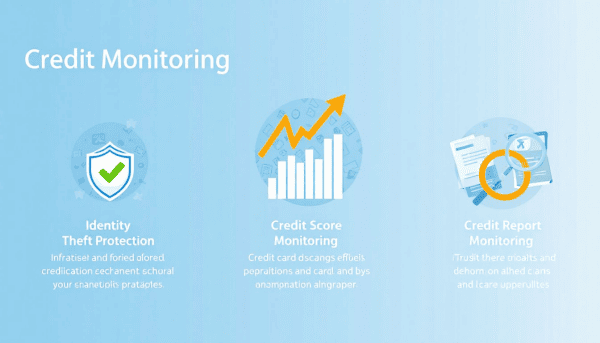
Credit monitoring services are designed to safeguard your credit health by tracking changes in your credit reports and alerting you to suspicious activities. These services offer automated alerts, fraud warnings, credit score updates, and access to free credit reports, keeping users informed about their credit status.
While credit monitoring can help detect potential fraud, it cannot prevent identity theft or stop credit applications made in your name.
Alerts and Notifications
Alerts from credit monitoring services notify you of changes in your credit reports, ensuring you stay updated on your credit status. These alerts typically notify you when new accounts are opened, significant transactions occur, or there are changes to your personal information.
This quick notification helps you identify and address unauthorized activities promptly, preventing further damage.
Three-Bureau Monitoring
Three-bureau credit monitoring provides updates from all three major credit bureaus—Equifax, Experian, and TransUnion. Comprehensive monitoring from all three bureaus gives you a full picture of your credit health and helps detect fraud across various platforms. Each credit bureau collects and maintains different information, making it crucial to monitor all three to catch any discrepancies or fraudulent activities.
Monitoring all three bureaus enhances your ability to detect fraud early and take corrective action before significant damage happens. This service is essential for maintaining good credit health and protecting against identity theft and credit scores.
Dark Web Surveillance
Some credit monitoring services offer dark web surveillance, checking the dark web for personal data misuse. This feature can alert you if your name appears in police records or if your personal information is being sold or misused online, indicating potential identity theft.
Dark web surveillance adds an extra layer of security, enabling you to act before your information is exploited for fraudulent activities. In today’s digital landscape, where data breaches are frequent, this proactive approach is crucial.
Identity Theft Protection Services: What They Offer
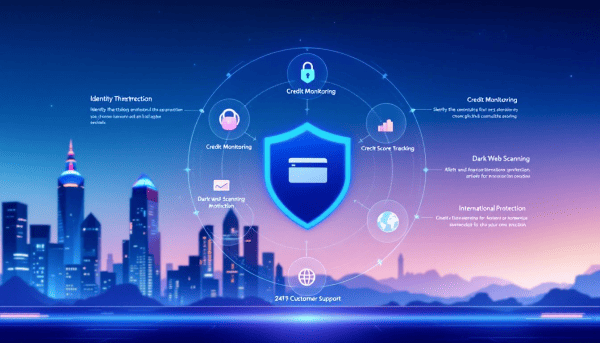
Identity theft protection services provide comprehensive solutions to safeguard your personal and financial information. These services monitor credit and personal information across various platforms, including the dark web, and offer alerts for any suspicious activities. The potential financial damage from identity theft can be significant, making this identity theft protection service crucial for consumers.
Identity Theft Insurance
Identity theft insurance can cover financial losses up to $1 million due to identity theft. This insurance can cover costs associated with replacing identity documents, legal fees, and other expenses incurred due to identity theft disputes. For example, Aura’s family plan includes coverage of up to $5 million in identity theft insurance.
Identity theft insurance coverage provides peace of mind by ensuring that you are financially protected in case of identity theft. It can reimburse costs associated with legal fees, document replacement, and other expenses, making it an essential component of comprehensive identity theft protection.
Lost Wallet Assistance
Lost wallet assistance helps cancel and replace lost credit and ID cards. This service provides essential support for individuals who have lost their wallets, ensuring that unauthorized charges are prevented and financial accounts are secured.
Lost wallet assistance also helps notify banks and credit card companies, quickly restoring access to bank account financial accounts.
Public Records Monitoring
Public records monitoring is essential for identifying fraudulent activities related to personal information. Consistently reviewing credit reports helps detect inaccuracies and potential signs of identity theft early on.
Spotting inaccuracies in credit reports can signal unauthorized use of personal information, enabling prompt corrective action. This proactive approach helps maintain your financial health and prevent identity theft.
Free vs. Paid Credit Monitoring Services
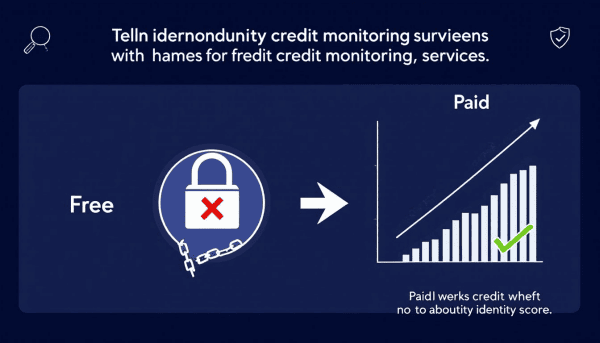
When choosing between free and paid credit monitoring services, consider the features and benefits offered by each. Paid services often include comprehensive three-bureau credit monitoring and identity theft insurance, providing more robust protection.
Free services, on the other hand, may offer basic alerts and annual credit report checks but lack the comprehensive coverage of paid services.
Free Credit Monitoring Services
Free credit monitoring services are available through banks, employers, or credit card issuers. These services typically offer basic alerts and free credit reports, making them accessible to a wide audience. Individuals can get free credit reports weekly from the three major credit reporting agencies. This can be done through Annualcreditreport.com.
Free services offer valuable monitoring but may lack the comprehensive coverage necessary to guard against identity theft. Consider your financial situation and level of risk when choosing between free and paid services.
Paid Credit Monitoring Services
Paid credit monitoring services offer comprehensive features, including three-bureau credit monitoring and a wide range of alerts. These services provide a complete credit history and quick alerts directly from an app, allowing for real-time monitoring. The cost of paid services is typically more than $200 per year, with some options exceeding $300.
Paid services also offer additional benefits such as identity theft insurance, dark web monitoring, and social media monitoring. These features provide enhanced protection and peace of mind, making them a worthwhile investment for those at higher risk of identity theft.
Evaluating Your Need for Credit Monitoring and Identity Theft Protection
Assessing the necessity of credit monitoring and identity theft protection services depends greatly on individual circumstances, such as financial activity and exposure to risks. Individuals who frequently engage in online transactions or have valuable assets may find credit monitoring essential due to increased vulnerability to fraud.
Who Needs Credit Monitoring?
People with active credit accounts are prime candidates for credit monitoring, as they benefit from alerts regarding any unusual activity that may indicate fraud. Individuals with multiple credit accounts or those who have recently experienced any identity theft incidents are also prime candidates for these services.
Individuals at high risk, especially those exposed in data breaches, should consider identity theft protection for enhanced security.
Who Needs Identity Theft Protection?
Identity theft protection is crucial for individuals who are at higher risk of having their personal information stolen. High-risk individuals also include parents safeguarding their children’s identities, as children are frequent targets for fraudsters.
People making significant financial transactions should also consider identity theft protection to ensure their personal information remains secure.
Choosing the Right Service Provider
When choosing a service provider, evaluate the features they offer, such as the extent of monitoring and level of identity theft protection. Assess the cost of services relative to the features provided, ensuring you understand what you are paying for.
Reading the fine print, including clauses on arbitration and refund policies, is essential to avoid misunderstandings and protect your rights.
Comparing Top Providers
Paid credit monitoring services typically start at over $200 annually, with some plans exceeding $300. IdentityGuard offers plans that include Dark Web monitoring and high-risk transaction alerts, starting at $8.99 per month.
Every Aura plan includes three-bureau credit monitoring, providing comprehensive coverage and fast fraud detection.
Reading the Fine Print
Always check for arbitration clauses in the terms and conditions of identity theft protection services, as they can limit your legal rights. Limited identity theft coverage can be a potential issue with credit bureau monitoring plans.
Fully understanding the terms and conditions is crucial to avoid misunderstandings and ensure adequate protection.
Best Practices for Personal Information Security
Protecting your personal information requires a proactive approach. Implementing best practices can significantly reduce the risk of identity theft and ensure your financial health remains intact.
To safeguard your personal information, regularly check your credit reports, use strong, unique passwords, and enable two-factor authentication.
Regularly Check Credit Reports
Consistently monitoring your credit reports ensures the accuracy of your personal information and account statuses. You can quickly identify any discrepancies or signs of fraudulent activity by reviewing your credit reports frequently. This practice helps maintain your financial health and allows you to take corrective action promptly if any issues arise.
Weekly access to free credit reports from the three major agencies via Annualcreditreport.com is a valuable resource. This consistent review can help detect inaccuracies and potential signs of identity theft early on, allowing you to address them before they cause significant damage.
Use Strong, Unique Passwords
Creating strong, unique passwords for each online account is crucial to enhance security. Passwords should be at least 12 characters long and include a mix of letters, numbers, and symbols. This complexity makes it significantly harder for unauthorized users to gain access to your accounts.
Password managers assist in generating and storing complex passwords, keeping each account secure without needing to remember multiple passwords. This approach greatly reduces the risk of unauthorized access and helps protect your online identity.
Enable Two-Factor Authentication
Enabling two-factor authentication (2FA) on your accounts adds an extra layer of security. This method requires a second form of verification, such as a code sent to your phone, in addition to your password. By requiring this extra step, 2FA makes it much harder for unauthorized users to gain access to your accounts.
Two-factor authentication is an effective, straightforward method to boost your online security. It adds an extra layer of protection, making it more challenging for identity thieves to compromise your accounts and access your personal information.
Summary
In conclusion, credit monitoring and identity theft protection are essential tools in safeguarding your financial health and personal information. By understanding the key features of these services, evaluating your needs, and choosing the right provider, you can significantly reduce the risk of identity theft. Implementing best practices, such as regularly checking credit reports, using strong passwords, and enabling two-factor authentication, further enhances your security. Take proactive steps today to protect your identity and maintain your financial reputation.
Frequently Asked Questions
What is the difference between credit monitoring and identity theft protection?
Credit monitoring is primarily concerned with tracking changes in your credit reports and alerting you to suspicious activity, whereas identity theft protection encompasses a wider array of services aimed at preventing unauthorized use of your personal information. The two serve different purposes but are both important for safeguarding your financial health.
Why is three-bureau credit monitoring important?
Three-bureau credit monitoring is essential as it offers comprehensive coverage, enabling the detection of fraud across all major platforms. This proactive approach safeguards your financial well-being more effectively than monitoring a single bureau alone.
What does identity theft insurance cover?
Identity theft insurance covers financial losses resulting from identity theft, including costs for replacing identity documents and legal fees, often up to $1 million. It provides essential protection against the financial repercussions of such crimes.
Are free credit monitoring services effective?
Free credit monitoring services can be effective for basic alerts and annual credit report checks, but they may not provide the comprehensive coverage and protection that paid services offer. Therefore, consider your needs carefully when choosing a monitoring option.
How can I enhance my online security to prevent identity theft?
To effectively enhance your online security and prevent identity theft, regularly check your credit reports, utilize strong and unique passwords, and enable two-factor authentication. Implementing these measures significantly reduces the risk of unauthorized access to your accounts.