
How Credit Monitoring and Credit Building Can Boost Your Financial Health
Are you looking to safeguard your credit and boost your credit score? Credit monitoring and credit building go hand-in-hand in achieving these goals. Through this article, discover how to monitor your credit effectively and learn strategies to build a stronger credit profile.
Key Takeaways
Credit monitoring is essential for safeguarding financial health by detecting fraud and maintaining accurate credit reports.
Choosing between free and paid credit monitoring services depends on individual needs, with paid services offering more comprehensive features and protections.
Regular updates and proactive management of credit health are vital for effective credit building, including timely payments and diversified credit accounts.
Understanding Credit Monitoring and Its Role in Financial Health

Credit monitoring involves routinely checking information on your credit reports, such as accounts, credit limits, account age, and payment history. These services act as a vigilant watchdog, alerting you to changes in your credit file. Most credit monitoring services provide automated alerts, simplifying the process of checking your credit and keeping you informed about both positive and negative changes. These alerts, delivered via email, text, or phone, ensure that you are always in the loop about significant changes affecting your credit profile.
The role of credit monitoring in financial health cannot be overstated. It helps safeguard your credit from fraud and identity theft by catching early warning signs of suspicious activity. Regular monitoring of your credit status positions you to manage your finances more effectively.
This approach helps maintain overall credit health by allowing prompt reactions to arising issues.
Key Terms in Credit Monitoring
Understanding some key terms helps you fully grasp the benefits of credit monitoring. The three major credit bureaus are Experian, Equifax, and TransUnion. They play a crucial role in credit reporting. These agencies collect and maintain credit information, which is then used to generate your credit reports and scores. Your credit score is a numerical summary of your creditworthiness, influenced by factors such as payment history, credit utilization, and the age of your credit accounts.
Paid credit monitoring services often offer triple-bureau protection, providing comprehensive monitoring across all three major credit bureaus. This means they track your Experian credit file, along with those from Equifax and TransUnion, offering enhanced protection against fraudulent activity and reporting errors.
Familiarity with terms like credit reports, credit scores, and identity theft protection allows you to appreciate the full spectrum of services credit monitoring offers.
How Credit Monitoring Can Aid in Credit Building

Credit monitoring aids in both detecting fraud and building credit. Alerts about changes on your credit report help you maintain a good credit score more effectively. Credit monitoring aims to help you improve and maintain a healthy credit profile. Regular monitoring reveals important changes in your credit status promptly, allowing for quicker corrective actions. This timely information helps you address credit-related problems swiftly and efficiently.
In addition to early identification of potential identity theft, credit monitoring offers insights into how various actions affect your credit score. This knowledge empowers you to make better financial decisions, ultimately aiding in credit building.
For comprehensive monitoring, consider services that track all three major credit bureaus, ensuring a thorough overview of your credit health.
Detecting Errors on Credit Reports
One of the significant benefits of credit monitoring services is their ability to detect errors on your credit reports. Timely alerts from these services can facilitate the quick filing of disputes for inaccuracies, ensuring that your credit report remains accurate. An accurate credit report is essential for maintaining a good credit score, as even minor errors can significantly impact your creditworthiness.
Upon receiving an alert about an error, you can proactively file a dispute to correct the information. This proactive approach not only helps in rectifying mistakes but also ensures that your credit score reflects your true financial behavior. Regular monitoring and prompt action against errors are crucial steps in building and maintaining a strong credit profile.
Monitoring Credit Inquiries
Credit inquiries are another critical aspect of credit monitoring. Knowing the impact of credit inquiries on your score aids in better credit profile management. There are two types of credit inquiries: hard inquiries and soft inquiries. Hard inquiries occur when a lender checks your credit for a loan or credit card application, which can temporarily lower your credit score. Soft inquiries, on the other hand, do not affect your score and are usually conducted by financial institutions for background checks or pre-approval offers.
By monitoring credit inquiries, you can ensure that only authorized inquiries are made on your credit report. Unauthorized inquiries could indicate potential fraud or identity theft, which need immediate attention. Keeping track of these inquiries helps you maintain a healthy credit score and prevents any unexpected dips caused by unauthorized credit checks.
Free vs. Paid Credit Monitoring Services: Which Is Right for You?
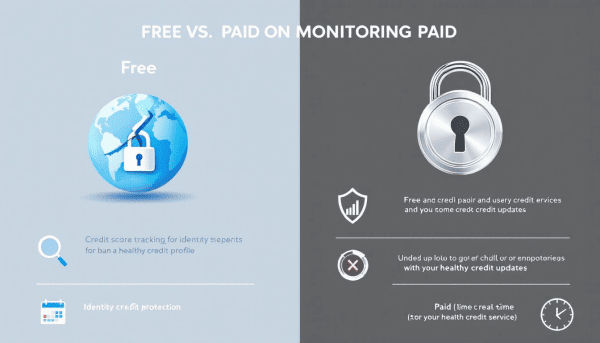
Choosing a credit monitoring service involves deciding between free and paid options. Free credit monitoring services provide basic monitoring without a fee, tracking your credit score and report. These services benefit those on a tight budget but often provide limited features and protection, typically monitoring only one credit bureau.
On the other hand, paid credit monitoring services offer more comprehensive features, including triple-bureau monitoring and additional perks like identity theft protection and dark web monitoring. These services typically require a fee but provide enhanced protection and support, making them a valuable investment for those looking for robust credit monitoring.
Consider your budget and protection needs when choosing between free and paid services.
Features of Free Credit Monitoring Services
Free credit monitoring services primarily track your credit score and report, offering basic monitoring without a fee. These services typically offer monitoring for only one bureau. They also provide basic credit score updates and minimal alerts. Common features include FICO® Score access, alerts, and score tracking, which help you stay informed about changes to your credit profile through a free credit monitoring service.
While free services can be a good starting point, they often come with limitations. For instance, updates might only come from one credit bureau, and the level of protection and support may be minimal. However, accessing free credit reports weekly at no cost can still provide a valuable opportunity for regular monitoring and maintaining a healthy credit profile.
Advantages of Paid Credit Monitoring Services
Paid credit monitoring services provide additional features and benefits not typically available with free services. These services can monitor all three major credit bureaus, providing a comprehensive overview of your credit status and enhanced protection against fraudulent activity. Common features of paid plans include three-bureau monitoring, identity theft insurance, and immediate alerts for suspicious activity.
Moreover, paid services often include perks like dark web monitoring, social security tracking, and support from a U.S.-based fraud resolution team. The added layer of protection and peace of mind these features provide make paid credit monitoring a worthwhile investment for those serious about maintaining and building their credit health.
Benefits of Using Credit Monitoring for Credit Building
Using credit monitoring services offers several benefits for credit building. These services help spot and dispute errors on credit reports, track credit scores, and provide alerts to new issues, helping you fix errors and understand your credit health better. Ensuring your credit report’s accuracy allows for proactive steps to boost your credit scores, ultimately leading to better financial opportunities.
Paid credit monitoring services typically include monitoring from all three major credit bureaus, offering a comprehensive credit monitoring service and support. These services often come with additional tools like dark web monitoring, social security tracking, and identity theft insurance, enhancing your overall financial security. Additionally, many consumers choose to explore paid credit monitoring providers for enhanced protection.
Whether you choose a free or paid service, the key is to stay informed and proactive about your credit health.
Regular Updates on Credit Score Changes
One of the primary benefits of credit monitoring services is receiving regular updates on credit score changes. These updates help you maintain awareness of your credit health and make timely adjustments to improve your score. Many paid credit monitoring tools pull credit scores as frequently as daily, ensuring you are always up to date with your credit status.
Access to free credit reports weekly from each of the three major bureaus at no charge is another valuable resource. Regular updates and access to credit reports give a clear picture of your credit health, facilitating the identification of improvement areas and prompt corrective actions.
Comprehensive Credit Report Monitoring
Comprehensive credit report monitoring is essential for a thorough understanding of your credit status. Monitoring reports from all three major credit bureaus—Experian, Equifax, and TransUnion—ensures that you have a complete view of your credit profile and can catch any discrepancies or fraudulent activities early.
Alerts about changes to your credit reports, such as new accounts or significant balance changes, are crucial for maintaining credit health. Such monitoring helps prevent identity theft and ensures your credit report accurately reflects your financial behavior.
Access to Identity Theft Protection Tools
Many credit monitoring services provide identity theft protection tools, enhancing the security of your personal information. Features like dark web monitoring, social security number tracking, and identity theft insurance help prevent identity theft and aid recovery if it occurs.
While free services often lack comprehensive alerts for identity theft, paid services typically include robust protection and immediate notifications for suspicious activity. Investing in a paid credit monitoring service can provide peace of mind and safeguard your personal finances against potential fraud.
Additional Strategies for Building Credit
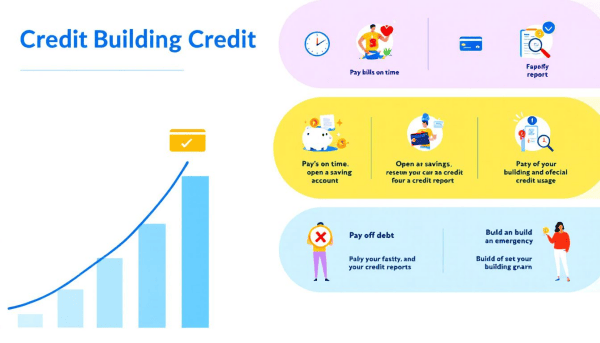
Beyond credit monitoring, several additional strategies can effectively improve your credit scores. Using multiple approaches ensures a well-rounded and robust credit profile. One strategy is to use unexpected income, like holiday bonuses, to pay off debt, which can significantly enhance your credit standing.
Combining these strategies with credit monitoring provides a comprehensive approach to building credit.
Responsible Use of Credit Cards
Responsible credit card use is crucial for maintaining a healthy credit score. It’s essential to understand your credit card’s fees and terms and to pay your bill on time to avoid late payment penalties. Paying off your entire credit card balance each month helps avoid interest charges and maintain a low credit utilization ratio, which positively impacts your credit score.
Alerts for credit card transactions help monitor spending and prevent late payments. Keeping unused credit cards open benefits your credit score by maintaining total available credit and lowering credit utilization ratio.
Diversifying Credit Accounts
Diversifying your credit accounts is another effective strategy for building credit. Having various types of credit accounts, such as personal loans and credit cards, promotes a healthier credit history and demonstrates your ability to manage different types of credit responsibly. A varied credit profile enhances your creditworthiness and positively influences your credit scores.
Incorporating a mix of credit types, like installment loans and revolving credit, can help strengthen your credit profile and improve your overall credit health.
Timely Payments and Managing Debt
Making timely payments is essential for maintaining a healthy credit score. Late or missed payments can significantly harm your credit score and reflect poorly on your credit report. Setting up automatic payments or reminders can help ensure that you never miss a due date. Managing debt levels responsibly is crucial, as high debt relative to credit limits can negatively impact your score.
If your credit monitoring service alerts you to an error, it’s important to file a dispute with each of the three credit bureaus to correct it. Keeping your debt levels low and making timely payments demonstrate financial responsibility, which is key to building and maintaining a strong credit profile.
Summary
Credit monitoring and credit building are indispensable tools in maintaining and improving your financial health. Regularly monitoring your credit helps you stay informed about changes to your credit report, detect errors, and prevent identity theft. Understanding the differences between free and paid credit monitoring services enables you to choose the right option based on your needs and budget.
In addition to credit monitoring, adopting responsible financial habits, such as making timely payments, managing debt, and diversifying your credit accounts, can significantly enhance your credit profile. By taking a proactive approach to credit monitoring and building, you can achieve better financial stability and open doors to more favorable financial opportunities. Empower yourself with the knowledge and tools to take control of your credit health today.
Frequently Asked Questions
What is credit monitoring and why is it important?** **?
Credit monitoring is the regular review of your credit reports for any changes or inaccuracies. It is crucial for identifying potential fraud, ensuring your credit information remains accurate, and effectively managing your overall financial health.
What are the main differences between free and paid credit monitoring services?** **?
The main differences between free and paid credit monitoring services are that free services generally offer basic monitoring from one credit bureau, whereas paid services provide comprehensive monitoring across all three major bureaus, along with additional features such as identity theft protection and dark web monitoring. Thus, paid services deliver a more robust level of protection and insight.
How can credit monitoring help in building my credit score?** **?
Credit monitoring is essential in building your credit score as it allows you to promptly address issues through alerts about changes in your credit report, while also providing insights into actions that can positively influence your score. This proactive approach ensures you stay informed and can make better financial decisions.
What should I do if I find an error on my credit report?** **?
If you discover an error on your credit report, promptly file a dispute with Experian, Equifax, and TransUnion to rectify the mistake. This will help ensure that your credit report correctly reflects your financial history.
What additional strategies can I use to improve my credit score?** **?
To improve your credit score, focus on making timely payments, responsibly managing your debt levels, and diversifying your credit accounts. By using credit cards wisely and ensuring consistent payment practices, you can effectively enhance your score.