Essential Steps for Credit Monitoring After Data Breach
When a data breach happens, you must act quickly to protect your financial information. Credit monitoring after data breach is key. This article will show you how to set it up and take other crucial steps right away.
Key Takeaways
Credit monitoring services are essential for detecting suspicious activity and protecting personal information after a data breach.
Immediate actions such as verifying data compromise, freezing credit, and placing fraud alerts are crucial to prevent identity theft resulting from a breach.
Regularly checking credit reports, updating passwords, and enabling two-factor authentication enhance security and help identify unauthorized activities post-breach.
Understanding Credit Monitoring
Credit monitoring services detect suspicious activity on your credit report and protect your personal information after a data breach. They provide alerts for significant changes, allowing you to quickly address potential identity theft. Regularly monitoring your credit reports helps detect unauthorized activities early, particularly following a data breach.
Keeping a close eye on your credit report ensures that fraudulent activity is identified and addressed promptly, preventing identity theft and mitigating potential damage from data breaches.
Immediate Actions After a Data Breach
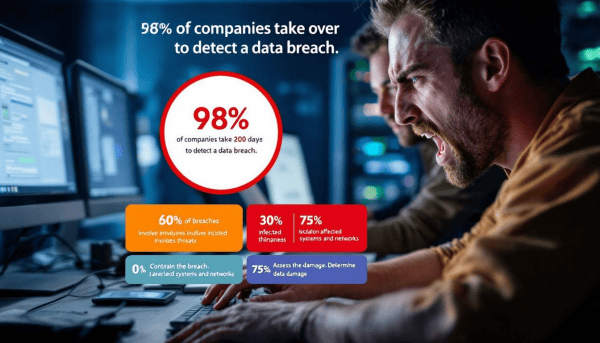
When a data breach occurs, time is critical. Immediate actions, such as verifying if your information was compromised, freezing your credit, and placing a fraud alert, are necessary to protect against identity theft and financial fraud. Quick responses can secure your accounts and prevent further misuse of your personal information.
Proactive steps safeguard your identity, especially after a data breach. Regularly checking your financial accounts for suspicious activity can mitigate potential losses and ensure early detection of fraudulent activity.
Verify if Your Information Was Compromised
After a data breach, the first step is verifying if your information was compromised. Tools like Have I Been Pwned and notifications from the breached company can inform you if your accounts were affected.
If your information is compromised, update passwords and PINs for the affected accounts immediately.
Freeze Your Credit
Freezing your credit prevents unauthorized new accounts and limits access to your credit report. You can freeze and unfreeze your credit online, by phone, or by mail with the major credit bureaus. To maximize protection, freeze your credit at all three major bureaus.
To allow a lender to view your credit report after freezing it, unfreeze your credit temporarily. If you plan to apply for a mortgage or car loan soon, consider placing a fraud alert instead.
Place a Fraud Alert
Placing a fraud alert on your credit report notifies creditors to take additional steps to verify your identity before granting new credit. This measure helps protect you from identity thieves by preventing them from taking out loans or opening accounts in your name.
Two types of fraud alerts are available: a standard fraud alert lasting one year and an extended fraud alert lasting up to seven years. Contact one of the three major credit bureaus to place a fraud alert, and they will notify the others.
If your Social Security number is compromised, placing a fraud alert or credit freeze is crucial for protection.
Setting Up Credit Monitoring Services
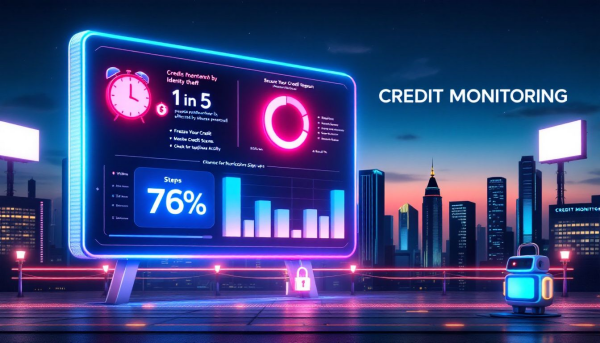
Setting up credit monitoring services tracks unauthorized activity after a data breach. These services provide peace of mind by monitoring your credit reports and alerting you to suspicious activities. Evaluate both free and paid credit monitoring services to find the best protection for your situation.
Paid options often include three-bureau monitoring, identity theft protection, and fraud resolution assistance. Services like Identity Guard and Aura offer comprehensive packages with both credit monitoring and additional digital security features.
Free Credit Monitoring Services
Free credit monitoring services provide reassurance and protection against identity theft after a data breach. Major credit bureaus like Equifax, Experian, and TransUnion offer free services that allow consumers to track their credit reports and detect fraudulent activities. These services include ongoing access to credit reports, alerts for new accounts, and notifications for significant changes to your credit score.
Effectively utilizing alerts and notifications keeps you informed about changes in your credit file, allowing for quicker responses to suspicious activities.
Paid Credit Monitoring Services
Paid credit monitoring services offer comprehensive monitoring and additional features such as identity theft protection and fraud resolution assistance. These services track credit scores, provide regular updates, and offer resources for identity theft recovery. Benefits include more frequent monitoring, faster notification of suspicious activities, and access to tools not available with free services.
When comparing providers, consider coverage, customer support, and unique features. Some paid services include dark web monitoring and credit score simulations to help manage and improve credit profiles.
Utilizing Alerts and Notifications
Alerts and notifications from credit monitoring services keep you informed about changes to your credit file. Immediate alerts about new accounts or hard inquiries allow you to address unauthorized activities promptly.
Regularly checking your credit reports ensures alert accuracy and helps identify unauthorized changes.
Regularly Checking Credit Reports
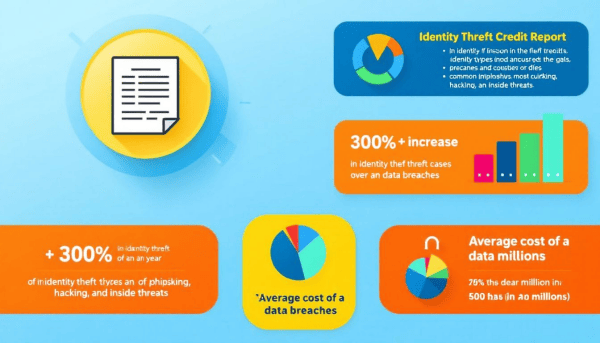
Regularly checking your credit reports helps catch unauthorized activities early. After a data breach, vigilance in reviewing account activity is crucial. Monitoring your reports from all three major credit bureaus ensures prompt detection and addressing of fraudulent activity.
Regularly scrutinizing financial statements helps identify unauthorized transactions. Keeping a close eye on your credit reports ensures prompt identification and addressing of fraudulent activity.
How to Get Free Credit Reports
Obtain your free credit reports annually from all three major credit bureaus through AnnualCreditReport.com. This service provides access to reports from Equifax, Experian, and TransUnion once every 12 months.
Most credit bureaus offer complimentary services that alert users to changes in their credit reports, enabling proactive monitoring at no cost.
What to Look For in Credit Reports
When reviewing your credit reports, check for unfamiliar accounts, incorrect balances, and unrecognized inquiries. These indicators can signal identity theft or credit fraud. Regular monitoring helps catch unauthorized activities early and take appropriate action.
Checking for unfamiliar accounts and incorrect balances ensures your financial information is accurate and secure. Regular monitoring is essential for early detection of unauthorized activities, especially after a data breach.
Disputing Errors on Credit Reports
If you find discrepancies on your credit reports, file a dispute with the respective credit bureau. Contact both the credit bureau and the business that provided the incorrect information to correct inaccuracies. The credit bureau is legally required to investigate your dispute and correct any errors.
Provide evidence supporting your claim when disputing errors on your credit report. Addressing these inaccuracies ensures that your credit report accurately reflects your financial history.
Enhancing Account Security Post-Breach
Enhancing account security post-breach prevents further incidents and protects personal information. Companies notify affected individuals after a breach, and immediate action is necessary to secure accounts. Update passwords, enable two-factor authentication, and monitor financial accounts to enhance security.
Proactively securing your systems after a breach prevents further incidents and protects sensitive information. Immediately inform affected businesses or institutions if sensitive information like bank account numbers or Social Security numbers is compromised.
Update Passwords and Use Password Managers
Promptly updating passwords for affected accounts minimizes the risk of further data breaches. Use a secure password manager to store and generate strong, unique passwords for your accounts. Proactively changing passwords and using password managers enhances security after a data breach.
Using strong, unique passwords for each new account protects against potential identity theft. Password managers securely generate and store these passwords, making it easier to manage online accounts.
Enable Two-Factor Authentication
Two-factor authentication (2FA) adds an extra security layer by requiring a secondary identification method to access accounts. Activating 2FA deters hackers by complicating unauthorized access attempts. Users can choose from various second-factor options, like SMS codes or authentication apps, for effective 2FA.
Enabling two-factor authentication significantly enhances the security of your online accounts, helping protect personal information from identity thieves.
Monitor Financial Accounts
Monitoring your financial accounts after a data breach helps detect potential scams early and investigate unusual activity. Watch bank and credit card statements for unrecognized charges, and report any suspicious activity to your financial institution immediately.
Signing up for text or email alerts about credit transactions keeps you informed about unusual activity on your accounts. Closely monitoring financial accounts helps quickly identify and address fraudulent activity.
Protecting Against Phishing Scams
Phishing scams often increase after a data breach, as criminals exploit exposed data to trick victims into revealing sensitive information or accessing financial accounts. Recognizing and reporting phishing scams protects you from potential identity theft.
Spam sent to your inbox may result from your name and email address being stolen in a data breach. Being vigilant and cautious of suspicious emails and messages protects your personal information from phishing scams.
Recognizing Phishing Attempts
Phishing emails often use generic greetings like ‘Dear Customer’ instead of your actual name. They may create a sense of urgency, like threatening to suspend your account unless you take immediate action. Look for spelling and grammatical errors, as legitimate companies maintain professional communication standards.
Be cautious of emails asking for sensitive information like passwords or Social Security numbers, as legitimate organizations rarely request this via email. Verify email legitimacy by contacting the organization directly through official channels, rather than using contact information provided in the suspicious message.
Always check for secure website indicators like HTTPS and padlock icons before entering any sensitive information online.
Reporting Phishing Scams
When you encounter a phishing email, it’s crucial to report it. Forward the email to reportphishing@apwg.org, which is monitored by various security groups and law enforcement. Notify the impersonated individual or organization about the phishing attempt to help prevent further misuse and alert others who may be affected.
File a report with the Federal Trade Commission (FTC) using their online complaint form to contribute to broader efforts against phishing scams. Many companies have dedicated email addresses for reporting phishing attempts, often listed on their official websites.
Reporting phishing scams helps authorities understand the tactics used by scammers and can lead to preventative measures.
Filing an Identity Theft Report
To initiate an identity theft report, follow these steps:
Contact your local law enforcement and provide them with details of the incident.
File an identity theft report at IdentityTheft.gov, as recommended by the Federal Trade Commission (FTC). This site assists in creating a personalized recovery plan.
When filing a report, include as much information as possible about the theft, including specific details about the compromised data.
By following these steps, you can effectively start the process of recovering from identity theft.
The FTC provides easy-to-follow checklists and sample letters to aid in the identity theft reporting process. Victims should keep copies of any reports and documentation related to identity theft for future reference.
Utilizing IdentityTheft.gov as a comprehensive resource for reporting identity theft and receiving recovery assistance is highly beneficial.
Safeguarding Your Social Security Number
Your Social Security number is a critical piece of sensitive information that significantly increases the risk of identity theft following a data breach. To safeguard your Social Security number, avoid sharing it unless absolutely necessary and keep it in a secure place. Consider using password managers to protect your online accounts and create unique passwords for each account.
Be cautious of phishing scams and always verify the legitimacy of requests for your Social Security number. Implementing a security freeze can also help protect your credit file from unauthorized access. By taking these precautions, you can significantly reduce the risk of identity theft.
Summary
In the wake of a data breach, taking proactive steps to protect your identity and financial information is crucial. From verifying if your information was compromised to setting up credit monitoring services, each step plays a vital role in safeguarding your personal data. Regularly checking your credit reports, enhancing account security, and being vigilant against phishing scams are essential practices to prevent identity theft.
By following these essential steps for credit monitoring after a data breach, you can stay ahead of potential threats and ensure your financial well-being. Remember, staying vigilant and proactive is key to protecting yourself in this digital age.
Frequently Asked Questions
What is the first step I should take after discovering a data breach?
The first step you should take after discovering a data breach is to verify if your information was compromised using tools like Have I Been Pwned or alerts from the breached company. Following this, promptly update passwords and PINs for any affected accounts.
How do I freeze my credit, and what does it do?
Freezing your credit is an effective way to prevent unauthorized accounts from being opened in your name. You can initiate a freeze online, by phone, or through the mail with the major credit bureaus.
What is the difference between a fraud alert and a credit freeze?
A fraud alert requires creditors to verify your identity before granting credit, whereas a credit freeze completely restricts access to your credit report, blocking new accounts from being opened.
Are free credit monitoring services effective?
Free credit monitoring services are effective in tracking your credit reports and detecting fraudulent activities, as they provide alerts for new accounts and access to your credit reports. Utilizing these services can help you stay informed about your credit status.
How can I protect myself from phishing scams?
To protect yourself from phishing scams, identify attempts by noting generic greetings, urgent threats, and suspicious links. Always report these scams to authorities and verify messages through official channels to ensure their legitimacy.