Effective Credit Monitoring and Data Breaches: Your Essential Guide
Credit monitoring is essential for spotting fraud after data breaches, especially when considering the importance of credit monitoring and data breaches. It alerts you to unusual activity on your credit report, so you can act quickly. This guide will explain how credit monitoring works, its limitations, and steps to take after a data breach.
Key Takeaways
Credit monitoring acts as an alert system for unusual activities on your credit report, helping to detect identity theft and fraud early.
While effective, credit monitoring has limitations and should be part of a broader strategy that includes measures like credit freezes and fraud alerts.
Data breaches can severely impact your credit and financial security, necessitating immediate action and ongoing vigilance to protect personal information.
Understanding Credit Monitoring
Credit monitoring is a vital tool in the fight against identity theft. It keeps a watchful eye on your credit reports for signs of unusual activity, such as new credit card applications or changes in your credit file, alerting you to potential fraud. Imagine it as a smoke detector for your financial health, providing alerts that allow you to act swiftly and prevent further damage.
These services continuously track modifications to your credit reports across the three major credit bureaus—Equifax, Experian, and TransUnion. When significant changes occur, such as inquiries you didn’t initiate or new accounts opened in your name, you receive notifications via email, text, or phone. This proactive approach increases your awareness of how various factors influence your credit score over time.
Choosing a robust credit monitoring service can give you insights into potential identity theft, helping you mitigate damage before it escalates. From alerting you about new credit applications to changes in your personal information, these services are indispensable in maintaining your financial security.
Limitations of Credit Monitoring
While credit monitoring is a powerful tool, it is not without its limitations. It primarily helps detect new account fraud, which means it can alert you when someone tries to open a new credit card account in your name, but it doesn’t always prevent ongoing fraud or provide comprehensive defense against identity theft.
Credit monitoring services do not guarantee fraud prevention. Consumer advocacy groups argue that companies can do much more to protect consumer data after breaches. Therefore, while these services are beneficial, they should be part of a broader strategy that includes other protective measures like credit freezes and fraud alerts.
Types of Credit Monitoring Services
Credit monitoring services come in various forms, each designed to cater to different needs and levels of security. High-profile data breaches, such as the Equifax incident, have shed light on the vulnerabilities within consumer credit reporting systems. This increased awareness has led to a surge in the availability and variety of credit monitoring services.
These services can be broadly categorized into paid and free options. Major data breaches affecting millions have underscored the importance of comprehensive credit monitoring, pushing both individuals and organizations to seek robust solutions. As a result, the market now offers a range of services, from basic monitoring to more advanced packages that include identity theft protection.
Selecting the right service depends on your specific needs and the level of risk you are comfortable with. Whether opting for a paid service with extensive features or a free service offered by your bank or credit card company, the key is to ensure you are adequately protected.
Paid vs. Free Credit Monitoring Services
Paid credit monitoring services generally provide more comprehensive coverage, including alerts from all three major credit bureaus. They often come with additional features such as identity theft protection and access to detailed credit reports. These services are ideal for those who want thorough and continuous monitoring of their credit profile.
On the other hand, free credit monitoring services, which may be offered by banks, employers, or credit card companies, typically come with limited features. While they provide basic monitoring and alerts, they may not cover all three credit bureaus or offer the same level of protection as paid services.
However, under consumer protection laws, you are entitled to one free credit report annually from each of the major credit bureaus.
Choosing the Right Credit Monitoring Service
When selecting a credit monitoring service, it is crucial to ensure it offers three-bureau monitoring for the most comprehensive coverage. Evaluate the features offered, such as real-time alerts and the ability to monitor all three credit bureaus.
Reviewing customer feedback and the reputation of the service provider can also help you make an informed decision. Carefully consider the specific services included in the plan, including cancellation rights, before committing. The goal is to choose a service that best fits your needs and offers robust protection against potential threats.
How Data Breaches Impact Your Credit
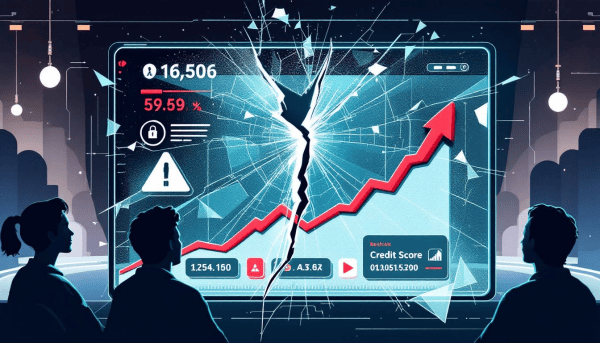
Data breaches can have a profound impact on your credit and financial security. When sensitive information is exposed, it opens the door for identity thieves to commit fraud, leading to significant financial losses. The unauthorized access to personal data can result in a myriad of issues, including:
Unauthorized transactions
New credit accounts being opened in your name
Damage to your credit score
Increased difficulty in obtaining loans or credit
It’s crucial to take steps to protect your personal information and monitor your financial accounts regularly.
The risks associated with data breaches underscore the importance of protecting your personal information through measures like credit monitoring. Monitoring your credit file helps you spot unusual activity early and take steps to mitigate damage.
The aftermath of a data breach can be catastrophic, but with the right tools and awareness, you can safeguard your financial well-being. Understanding the potential consequences and preparing accordingly can make all the difference.
Common Consequences of Data Breaches
Victims of data breaches often face immediate consequences such as financial fraud and unauthorized transactions. When personal financial information is compromised, identity thieves can misuse it to make unauthorized purchases or withdraw funds from accounts. This can lead to significant monetary losses and the hassle of freezing accounts to prevent further damage.
Additionally, the stolen personal information is often sold on dark web markets, increasing the risk of identity fraud. Identity thieves can use this information to impersonate victims, open new credit accounts, and commit various forms of fraud.
The widespread impact of such incidents is exemplified by large-scale breaches like the National Public Data breach, which exposed the personal information of approximately 2.9 billion individuals.
Real-Life Examples of Data Breaches
The 2017 Equifax breach serves as a stark reminder of the vulnerabilities in our data security systems. Nearly 148 million Americans had their critical personal data, including Social Security numbers and addresses, exposed. This breach not only highlighted the risks but also prompted many to seek better credit monitoring solutions.
In recent years, the frequency of data breaches has skyrocketed, with a reported 490% increase in victims compared to previous years. Awareness of these incidents and their potential impacts is essential for consumers to take proactive steps in protecting their credit and personal information.
Steps to Take After a Data Breach
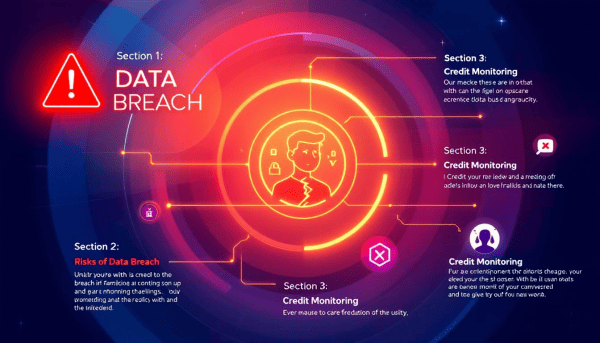
In the wake of a data breach, swift action is crucial to mitigate potential harm. Securing your accounts is the first step. Taking preventive measures against further fraud is crucial. Acting quickly upon noticing suspicious activity can significantly reduce the impact of fraud.
Reporting any unexpected account activity immediately is essential. This includes notifying your financial institutions and relevant authorities to minimize potential losses. Staying vigilant and responsive can make all the difference in protecting your financial health.
Identify Compromised Data
Understanding which of your data has been compromised is the first step in addressing a data breach. The exposure of your Social Security number, for instance, significantly increases the risk of identity theft and fraudulent credit applications.
If you’ve been a victim of identity theft, it’s crucial to request the removal of fraudulent information from your credit report. This can help restore your credit standing and prevent further unauthorized activities.
Secure Your Accounts Immediately
Immediately updating your passwords and PINs for any accounts specified in breach notifications is essential to enhance security. Utilizing a password manager can help create and store complex passwords, adding an extra layer of security.
Enabling two-factor authentication on your accounts is another effective measure, as it adds an additional verification step. Good password hygiene, such as regularly changing passwords and avoiding reuse, is crucial for maintaining account security.
Monitor Financial Accounts and Credit Reports
Regularly checking your financial statements can help detect unauthorized transactions early. Using credit monitoring services to keep track of changes in your credit reports is also important for spotting any unusual activity.
Monitoring your credit reports from the three major credit bureaus ensures that you catch any discrepancies or unauthorized actions promptly. This vigilance is key to maintaining your financial security and mitigating the effects of a credit bureau data breach.
Proactive Measures for Protecting Your Credit
Proactive measures are essential for safeguarding your credit from identity theft and fraud. Initiating a security alert on your credit file can help prevent identity thieves from opening accounts under your name.
Ongoing vigilance and a combination of protective measures, such as identity monitoring, can alert customers about the misuse of information on the dark web. These steps are crucial for maintaining credit security and peace of mind.
Initiate Fraud Alerts with Credit Bureaus
To place a fraud alert on your credit report, contact one of the three credit reporting agencies. An initial fraud alert prompts creditors to verify your identity more rigorously before granting new credit.
For more robust protection, an extended fraud alert lasting seven years is available if you provide a police report of identity theft. These alerts can significantly reduce the risk of unauthorized credit activities.
Freeze Your Credit File
Placing a security freeze on your credit report prevents identity thieves from opening accounts in your name. You can freeze your credit file for free by contacting Equifax, Experian, or TransUnion.
When you place a security freeze, creditors are prohibited from accessing your credit report, which effectively thwarts attempts to open new credit accounts. Freeze requests made online or by phone must be processed by the credit reporting agencies within one business day.
Use Identity Restoration Services
Identity restoration services provide invaluable assistance if your identity is stolen. These services cover a range of support options, including guidance through the recovery process and managing necessary paperwork, as outlined by the identity theft resource center.
They can help you navigate the complex steps required to restore your identity and credit standing, making the recovery process less daunting. Utilizing these services can significantly ease the burden of dealing with identity theft.
Responding to Suspicious Activity
Identifying suspicious activity in your accounts is critical to prevent further damage, especially after a data breach. If you notice any unusual activity, act quickly to mitigate potential loss.
Recognizing signs of scams is equally important. Be vigilant for phishing emails and unsolicited communications that seek to extract personal information. By staying alert and cautious, you can avoid falling victim to these scams.
Recognize Signs of Scams
Phishing scams often involve unsolicited messages that appear to come from legitimate sources, asking for personal or financial information. Look out for emails or messages with urgency and poor grammar, as these are often red flags indicating a scam.
These attempts often mimic legitimate companies to trick individuals into disclosing personal information. Being able to recognize these signs can help you avoid falling victim to identity theft and fraud.
Report Unauthorized Transactions
Act immediately if you detect unauthorized transactions. Notify your bank or credit card issuer as soon as you confirm your data has been stolen or misused.
Reporting these incidents to both financial institutions and credit reporting agencies is crucial to minimize financial losses and address the unauthorized transactions promptly.
Legal and Regulatory Actions
Legal and regulatory actions are crucial in mitigating the impact of data breaches on consumers and ensuring accountability. Organizations are legally required to notify affected parties, law enforcement, and regulatory bodies after a data breach to maintain transparency. These measures help protect consumers by ensuring timely communication and minimizing the potential damage caused by breaches.
Consumer protection laws are designed to safeguard individuals’ personal information and provide recourse in the event of identity theft or fraud. Understanding these legal frameworks is essential for consumers to navigate their rights and protect themselves. Compliance with these laws is also crucial for organizations to avoid financial penalties and uphold consumer trust.
In the era of frequent data breaches, being informed about your legal rights and the actions companies must take can provide a sense of security. It empowers you to take the necessary steps to protect your personal and financial information proactively.
Notify Appropriate Parties
When a data breach affects over 1,000 individuals, companies are often required to notify the Attorney General and relevant consumer reporting agencies. This step ensures that the breach is documented and that appropriate measures are taken to address the issue.
Timely notification to customers is equally important. Companies must act quickly to inform those affected, providing them with the necessary information to protect themselves from further harm. This transparency is vital in maintaining consumer trust and mitigating the breach’s impact.
Understand Consumer Protection Laws
Consumer protection laws vary by state, outlining specific notification requirements for entities after a data breach. These laws are designed to ensure that affected individuals are informed without unreasonable delay, allowing them to take prompt action to protect their information.
Failure to comply with these notification laws can lead to significant financial penalties for organizations. Legislation such as the Fair Credit Reporting Act mandates that consumer credit information must be reported fairly and accurately. Understanding these laws helps consumers know their rights and the protections available to them.
Summary
In an era where data breaches are increasingly common, effective credit monitoring and proactive measures are essential for safeguarding your financial health. From understanding the intricacies of credit monitoring services to taking swift action after a breach, being informed and vigilant can make all the difference. By utilizing the tools and strategies outlined in this guide, you can protect your credit and personal information, ensuring peace of mind in a digital world.
Frequently Asked Questions
What is credit monitoring, and why is it important?
Credit monitoring is essential for early detection of identity theft, as it tracks changes in your credit reports and alerts you to potential fraud. This proactive approach helps protect your financial security.
How do data breaches impact my credit?
Data breaches can severely impact your credit by exposing your personal information to identity thieves, leading to fraudulent activities and potential financial losses. It is essential to monitor your credit report and take immediate action if you suspect your information has been compromised.
What steps should I take immediately after a data breach?
Immediately after a data breach, identify the compromised data, secure your accounts by updating passwords and enabling two-factor authentication, and monitor your financial accounts and credit reports for unusual activity. Taking these steps can help mitigate the damage and protect your information.
What are the differences between paid and free credit monitoring services?
Paid credit monitoring services provide extensive coverage, including alerts from all three major credit bureaus and identity theft protection, while free services typically offer basic monitoring with limited features. Choosing between them depends on your need for comprehensive protection versus simple alerts.
How can I protect my credit proactively?
To proactively protect your credit, consider initiating fraud alerts with credit bureaus, freezing your credit file, and regularly monitoring your credit reports and financial accounts. These steps can help safeguard your financial identity effectively.