
The Truth About How Credit Monitoring Alerts Work
Need to know when there are changes to your credit report? Credit monitoring alerts can help. This article explains how credit monitoring alerts work, what triggers them, and how they can protect your financial health.
Key Takeaways
Credit monitoring alerts notify users of significant changes to their credit reports, helping to detect potential fraud and maintain credit integrity.
Alerts can include identity theft notifications, credit report changes, and credit score updates, each serving to keep users informed of their financial status.
Choosing the right credit monitoring service involves evaluating key features such as three-bureau monitoring, costs, and identity theft protection to ensure comprehensive coverage.
Understanding Credit Monitoring Alerts

Credit monitoring involves the routine checking of credit report information, including account details, credit limits, and payment history. Its primary function is to alert users to changes in their credit file, helping them stay informed about their credit history and the factors that affect their credit. Users can take timely action upon receiving these alerts, whether to correct errors or identify potential fraud.
Credit monitoring services provide alerts for changes or unusual activities on your credit report. These alerts are delivered through various channels, including email and SMS notifications, ensuring you receive immediate updates. Additionally, credit report monitoring can enhance your awareness of your financial status.
The following subsections explore what triggers these alerts and how they are delivered.
What Triggers a Credit Monitoring Alert
Credit monitoring services track credit reports from major bureaus to notify users of significant changes. These changes can include new credit accounts, credit inquiries, and modifications to personal information such as your address or name. Such events are critical to monitor as they can indicate unauthorized activities or potential identity theft.
Staying alert to these triggers helps you quickly identify and address suspicious activities. This proactive approach helps in maintaining the integrity of your credit profile and minimizing the risk of financial damage.
How Credit Monitoring Alerts Are Delivered
Credit monitoring alerts reach you through various channels such as email and SMS for immediate updates. These instant notifications ensure that you are always aware of changes to your credit report, enabling you to take prompt action if necessary.
Types of Credit Monitoring Alerts
Credit monitoring alerts come in various forms, each designed to keep you informed about different aspects of your credit information. These alerts act as watchdogs, helping you stay informed and protect yourself against fraudulent activities.
This section explores the different types of alerts available, including identity theft alerts, credit report changes, and credit score updates. Understanding the types of alerts available can help you choose the right credit monitoring service and ensure you are adequately protected.
Here are the specific alerts you should be aware of.
Identity Theft Alerts
Identity theft alerts are triggered when unusual activities, such as unfamiliar inquiries or accounts, are detected on your credit report. These alerts inform you of potential fraudulent use of your personal information, allowing you to take immediate action to protect yourself.
Credit monitoring is particularly useful following a data breach, as it helps identify unauthorized activities quickly, minimizing potential damage.
Credit Report Changes
Credit monitoring services notify users about significant changes in their credit reports, including new accounts, inquiries, and personal information alterations. These alerts are triggered by significant alterations in your credit history, such as new accounts being opened or modifications to existing accounts.
Receiving notifications about credit report changes allows you to promptly address issues, whether correcting errors or identifying potential fraud.
Credit Score Updates
Credit monitoring services provide alerts for changes to your credit score, which can include increases or decreases based on various financial activities. These alerts utilize the FICO® Score 8 model for accuracy, ensuring that you receive precise updates on your credit health.
Regular notifications about fluctuations in your credit score enable you to track your financial health and take necessary actions to improve or maintain your credit profile.
Benefits of Credit Monitoring Alerts
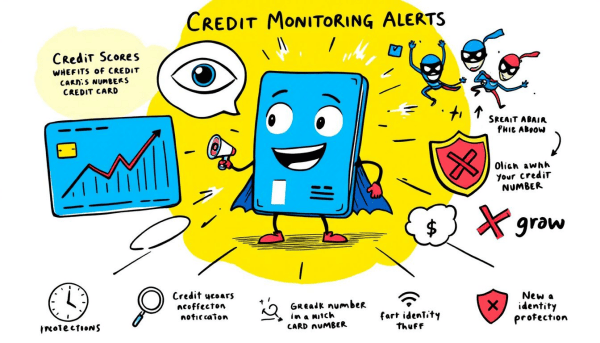
Credit monitoring alerts offer numerous benefits, making them an essential tool for anyone looking to protect their financial health. These alerts help protect against identity theft by enabling early detection of fraudulent activity. By receiving constant vigilance and timely alerts, users can learn immediately if someone is attempting to use their data, reducing future damage.
Additionally, credit monitoring can help identify issues such as inaccuracies in credit reports, providing users with the opportunity to correct errors and maintain a healthy credit profile.
The following subsections explore the specific benefits of early fraud detection and maintaining credit health.
Early Detection of Fraud
Credit monitoring services notify users about various activities affecting their credit reports, helping to quickly identify suspicious or unauthorized changes. Receiving alerts allows users to take prompt action to mitigate potential damages from fraud.
These alerts can indicate unauthorized attempts to open new accounts in your name, aiding in the early detection of potential identity theft and minimizing potential damage to your financial health.
Maintaining Credit Health
Credit monitoring provides updates about changes to credit scores and factors influencing the score, aiding users in managing their credit health. Staying informed about credit changes helps in proactively managing your credit profile, ensuring long-term financial stability.
Credit score alerts are activated when your score changes beyond the thresholds you have determined with the monitoring service, providing you with the insights needed to maintain a healthy credit profile.
Choosing the Right Credit Monitoring Service

Choosing the right credit monitoring service is essential for effectively managing credit health. When selecting a service, consider your specific goals, needs, and budget. Review included services, cancellation terms, and your rights in case of identity theft before signing up.
Be cautious of credit monitoring services provided by bureaus themselves, as they often offer limited identity theft protection. The following subsections compare free and paid services and highlight key features to look for.
Free vs. Paid Credit Monitoring Services
Credit monitoring services can be categorized into free and fee-based options, each having its own advantages and disadvantages. Paid services typically provide more comprehensive features, such as monitoring from all three credit bureaus.
Free credit monitoring services are often offered with bank accounts, credit cards, or other financial products. Individuals focused on credit building might find credit monitoring services free that includes FICO score tracking sufficient.
However, free services typically offer only one-bureau monitoring and minimal alerts. Opting for free credit monitoring from a breached company may prohibit legal actions or participation in class action lawsuits. Be cautious of hidden fees or cancellation prerequisites when considering free credit monitoring.
Key Features to Look For
Key features to prioritize when choosing a credit monitoring service include three-bureau credit monitoring. This ensures you are informed about credit activities reported by all three major bureaus: Experian, TransUnion, and Equifax.
Some plans, such as Identity Guard’s Ultra Plan, offer additional features like bank account monitoring and identity theft insurance, providing more comprehensive coverage for your financial health.
Additional Ways to Protect Your Credit

Credit monitoring services are invaluable, but additional steps can further protect your credit. Actively monitoring your credit is crucial for maintaining financial health. A paid service is recommended to supplement free credit monitoring for full coverage.
Paid credit monitoring services often include comprehensive identity protection tools, enhancing your overall financial security. Avoid credit bureau products when buying credit monitoring, as they often offer limited protection. While monitoring your credit can be done for free, consider a paid service for comprehensive protection.
Regularly Checking Credit Reports
Checking credit reports regularly is essential for maintaining financial health. Free annual credit reports can be accessed weekly from each of the three major credit bureaus: Experian, TransUnion, and Equifax. Regularly obtaining your credit reports helps identify issues like fraudulent activities or incorrect information early, fostering long-term credit health and awareness.
Setting Up Fraud Alerts and Credit Freezes
Freezing your credit file limits access to your credit report, providing an additional layer of protection against unauthorized access. A credit freeze is the strongest protection against unauthorized access to your credit.
Fraud alerts are another effective tool, signaling to potential creditors that they should take extra steps to verify your fraud alert before extending credit. These measures help prevent identity theft and protect your financial health.
Summary
Credit monitoring alerts are a powerful tool for protecting your financial health. They provide early detection of fraudulent activities, help maintain your credit health, and offer peace of mind in an age where financial threats are ever-present. By choosing the right credit monitoring service and supplementing it with additional protective measures, you can safeguard your financial future.
Stay proactive, stay informed, and take control of your credit health. With the right tools and knowledge, you can navigate the complexities of credit monitoring and protect yourself from financial harm.
Frequently Asked Questions
** What triggers a credit monitoring alert? **?
A credit monitoring alert is triggered by events such as the opening of new credit accounts, hard inquiries, or changes to your personal information. Monitoring these alerts is essential for maintaining your financial health.
** How are credit monitoring alerts delivered? **?
Credit monitoring alerts are delivered through multiple channels, primarily via email and SMS notifications. This ensures that you receive timely updates regarding any changes to your credit report.
** What are identity theft alerts? **?
Identity theft alerts are notifications that arise from suspicious activities indicating potential unauthorized use of personal information, such as unfamiliar inquiries or accounts. These alerts serve as a crucial warning to help protect against identity theft.
** How do credit monitoring services help in maintaining credit health? **?
Credit monitoring services help maintain credit health by providing timely updates on changes to credit scores and the factors that influence them. This enables users to effectively manage their credit and address potential issues proactively.
** What additional steps can I take to protect my credit? **?
To effectively protect your credit, regularly check your credit reports and consider setting up fraud alerts and credit freezes. These proactive measures enhance your security against potential fraud.