
How Often to Check Credit Report: Best Practices Explained
Wondering how often to check credit report? It’s crucial to review your credit report regularly to stay on top of your financial health. At a minimum, make it a habit to check your credit report once a year. However, circumstances like identity theft or financial planning may require more frequent checks. In this article, we’ll explore the best practices for monitoring how often to check credit report and provide tips on maintaining your credit health.
Key Takeaways
Regularly checking your credit report is essential for detecting fraud, ensuring accuracy, and preparing for major financial decisions.
It is advisable to review your credit report at least once a year, with more frequent checks recommended for those at higher risk of identity theft.
Checking your own credit report does not affect your credit score, and disputes regarding errors should be submitted promptly to the relevant credit bureau.
Importance of Checking Your Credit Report
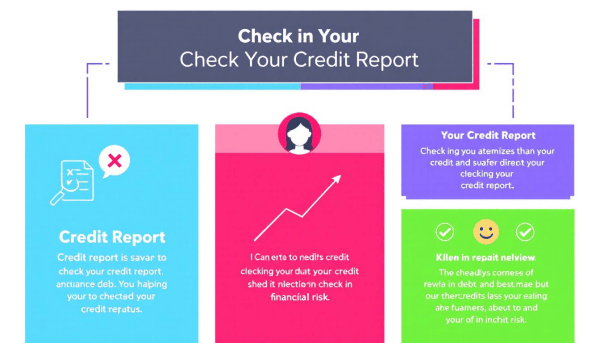
Regular credit report checks are as crucial as monitoring your physical health. Ignoring financial health can lead to significant issues. One of the primary reasons to monitor your credit report is to detect fraudulent activities early, preventing potential damage to your credit score. In today’s digital age, identity theft and fraud are real threats that can wreak havoc on your financial stability. Staying vigilant helps you catch suspicious activities early, preventing them from escalating.
Reviewing your credit report also ensures the accuracy of your personal and account information. Mistakes happen, and sometimes they can appear on your credit report, affecting your credit scores. Regular reviews allow you to verify that all details are correct, from your name and address to the status of your credit accounts. This accuracy is crucial in maintaining a good credit score and ensuring that your credit profile accurately reflects your financial behaviors.
Regular credit report checks prepare you for major financial decisions. Whether you’re planning to buy a house, apply for a car loan, or secure a new credit card, having a clear understanding of your credit history can significantly improve your chances of getting favorable terms. Staying informed about your credit health allows you to make proactive adjustments, leading to better financial opportunities and less anxiety.
Recommended Frequency for Checking Your Credit Reports
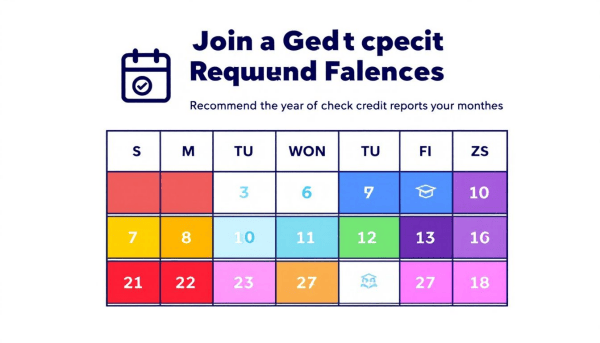
Regular credit report checks help you stay informed about your financial health. The frequency depends on your personal circumstances and financial goals. Reviewing your credit report at least once a year is advisable to stay informed about important changes. Credit reports regularly help catch errors or fraudulent activities before they cause significant damage.
However, more frequent checks can be beneficial. Weekly free credit reports can be requested through AnnualCreditReport.com for closer monitoring. This is especially useful if you are improving your credit score or have experienced a data breach or identity theft. Reviewing your credit report at least four times a year can help track ongoing changes more effectively.
Those at higher risk of identity theft or fraud should check their credit report more frequently. Being proactive in monitoring your credit not only prepares you for major financial decisions but also gives you peace of mind knowing that your financial information is secure. Regular checks help catch discrepancies early, allowing for immediate action.
Does Checking Your Credit Report Affect Your Score?
Many worry if checking their credit report will negatively impact their score. Fortunately, checking your own credit report does not affect your score. Checking your credit report is recorded as a soft inquiry, which does not impact your scores. Soft inquiries are only visible to you and do not appear to lenders.
Hard inquiries, which occur when you apply for new credit, can slightly decrease your score and will show up on your report. Multiple hard inquiries in a short period can signal to lenders that you may be a higher risk, potentially affecting your ability to secure new credit. The impact of hard inquiries is usually temporary and diminishes over time.
Monitoring your credit report for unexpected hard inquiries is crucial, as they could indicate fraud. Investigate unauthorized hard inquiries promptly to protect your credit health.
Understanding the difference between soft and hard inquiries allows you to check your credit report regularly without worry.
How to Access Your Free Credit Report
Accessing a free credit report is simpler than you might think. Anyone 13 or older can check their reports for free. The most reliable way to obtain free credit reports is through AnnualCreditReport.com, where you can receive a free credit and request reports from Experian, Equifax, and TransUnion.
Visit AnnualCreditReport.com to request a free credit report once a year from each credit bureaus. This allows you to stagger requests and monitor your credit throughout the year. For instance, request an Experian credit report in January, Equifax in May, and TransUnion in September to maintain a steady watch.
During certain periods, such as the COVID-19 pandemic, you may be eligible for free weekly copies of your reports. Increased frequency allows closer monitoring, helping you stay on top of changes or discrepancies.
What to Look For in Your Credit Report
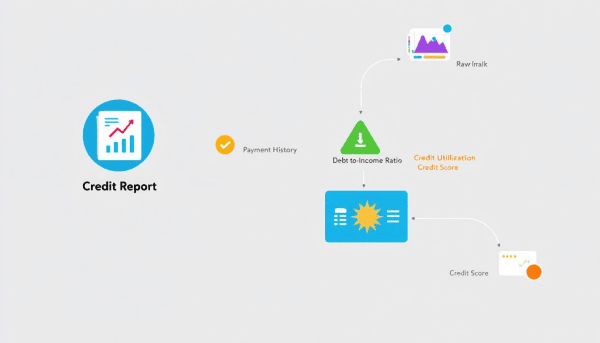
Reviewing your credit report means more than just glancing at your score. Focus on several key areas to ensure your credit file information’s accuracy and integrity. Start by checking personal details like names, addresses, phone numbers, and employers. Discrepancies could indicate identity theft, so ensure this information is correct.
Next, review your credit accounts for unfamiliar accounts, incorrect balances, or status discrepancies. Unfamiliar accounts, especially with negative information, are red flags needing immediate attention. Check for bankruptcy filings or other public records that shouldn’t be there. Chapter 7 and Chapter 13 bankruptcies can stay on your report for up to ten and seven years, respectively.
Regular monitoring helps detect fraudulent activity swiftly, allowing for timely intervention. Thoroughly reviewing these areas ensures your credit report accurately reflects your financial behavior, allowing you to correct any errors or fraudulent entries.
Steps to Take If You Find an Error
Finding an error on your credit report can be alarming, but knowing the steps to take helps resolve the issue efficiently. Start by disputing the error with the credit reporting agency. Provide a clear explanation of the inaccuracies with supporting documents. Highlight disputed errors in your credit report copy when submitting the dispute.
Each major bureau has its own process for submitting disputes, which can be done online, by mail, or by phone. Sending disputes via certified mail is recommended as it provides proof of receipt. Include personal contact details and the credit report confirmation number in your dispute letter.
Following these steps ensures your dispute is handled promptly and correctly, protecting your credit health.
Benefits of Regularly Monitoring Your Credit Report
Regularly monitoring your credit report offers numerous benefits that significantly impact your financial well-being. One primary advantage is making informed financial decisions. Knowing your credit standing when applying for a loan or new credit card improves your chances of securing favorable terms.
Monitoring your credit report helps identify suspicious changes or signs of identity theft early. Catching these issues quickly allows for immediate action to prevent further damage. This proactive approach reduces financial stress and enhances overall credit health, and it is also important to check with the credit bureau for any discrepancies.
Regular monitoring helps identify unauthorized changes, like new accounts or names suggesting identity fraud. Staying vigilant and regularly reviewing your credit reports helps maintain a good credit score and protects your financial future.
Tools and Services for Credit Monitoring
Several tools and services simplify the process of monitoring your credit report. Credit monitoring services provide resources to help you understand credit factors and reduce financial stress. These services often include educational resources, enhancing your understanding of credit and how to maintain good credit health.
Equifax, for example, offers various credit monitoring plans, including a family plan that covers multiple members and provides identity theft alerts. The Equifax ID Patrol service includes features like dark web scanning and allows users to lock their credit report for added security.
Equifax Credit Monitor is another valuable tool, enabling users to set customizable alerts for changes to their credit report and journey’s credit monitoring alerts. These alerts enhance proactive monitoring, keeping you informed about changes and allowing swift action to address potential issues.
Summary
Regularly checking your credit report is a vital practice in maintaining financial health. From detecting fraud early to ensuring the accuracy of your credit information, consistent monitoring offers numerous benefits. By understanding how often to check your credit report and what to look for, you can make informed financial decisions and protect your creditworthiness.
In conclusion, proactive credit monitoring is essential for everyone. Use the tools and services available to simplify the process, and take immediate action if you find any discrepancies. By staying vigilant and informed, you can maintain a good credit score and secure your financial future.
Frequently Asked Questions
How often should you check your credit report?
You should check your credit report at least once a year, but ideally, reviewing it quarterly will allow you to stay informed about any significant changes that could affect your financial health. Regular monitoring can help you address issues promptly.
Does checking my credit report affect my credit score?
Checking your credit report does not affect your credit score, as it is considered a soft inquiry. You can confidently monitor your credit without worrying about negative impacts on your score.
How can I access my free credit report?
You can access your free credit report by visiting AnnualCreditReport.com, where you are entitled to one free copy from each of the three major credit bureaus annually. This is a straightforward way to monitor your credit health.
What should I look for in my credit report?
You should carefully review your personal information, credit accounts, and any public records or inquiries in your credit report. Identifying discrepancies or unfamiliar accounts is crucial, as these could signal potential fraud.
What should I do if I find an error on my credit report?
If you find an error on your credit report, it is essential to dispute it with the credit reporting agency by providing a clear explanation and supporting documents. Make sure to highlight the errors and send your dispute via certified mail to ensure proof of receipt.