
The 4 Credit Reporting Agencies You Need to Know
When it comes to your credit, the 4 credit reporting agencies are key players: Equifax, Experian, TransUnion, and Innovis. These agencies compile a range of data that lenders use to assess your creditworthiness. In this article, we’ll explore what each of these agencies does and why it’s important to understand their roles.
Key Takeaways
The three major credit bureaus, Equifax, Experian, and TransUnion, provide essential consumer data and credit scores used by lenders to assess creditworthiness and risk.
Innovis serves a unique role as a fourth credit bureau focusing on identity verification and ensuring data accuracy, but it does not provide credit scores like the others.
Consumers are entitled to obtain free annual credit reports from all four agencies, which is crucial for monitoring credit activity and detecting inaccuracies or identity theft.
The Big Three: Equifax, Experian, and TransUnion

Equifax, Experian, and TransUnion are the three major credit bureaus in the United States. These consumer reporting agencies and consumer reporting company compile extensive consumer data, including personal information, financial records, and payment histories, into comprehensive credit reports. These reports are vital tools for financial institutions, lenders, and even some employers to make informed decisions about creditworthiness and risk.
Apart from collecting data, these bureaus also calculate credit scores, significantly influencing lending decisions. However, discrepancies can arise because each bureau independently collects information from different sources. Consequently, your credit report from Equifax might differ slightly from those of Experian or TransUnion, highlighting the importance of checking reports from all three to get a complete picture of your credit history.
Understanding their impact requires looking deeper into each of these major players, beginning with Equifax.
Equifax: What You Need to Know
Equifax compiles credit reports that include detailed information such as payment history and bankruptcy filings. This data significantly influences your credit score, so ensuring your Equifax report is accurate is crucial. Equifax’s extensive data collection and reporting affect not just your ability to secure loans but also the terms and interest rates you might be offered.
The company is integral to the financial ecosystem, offering consumer information that helps lenders assess risk and make informed decisions. Regularly monitoring your Equifax credit report can help you catch and correct inaccuracies that might affect your creditworthiness.
Experian: Key Facts and Services
Experian operates globally, influencing credit decisions not just in the United States but around the world. As a leading credit reporting agency, Experian collects comprehensive consumer data, including personal identification details, credit history, and payment behaviors. This vast information helps businesses and financial institutions evaluate creditworthiness and manage risk effectively.
Experian’s services are vital for lenders relying on accurate and detailed consumer data to make lending decisions. Understanding your Experian report can provide insights into how global operations and data collection practices affect your credit score and financial opportunities.
TransUnion: Comprehensive Insights
TransUnion completes the trio of major credit bureaus, providing detailed credit reports that lenders use to assess consumer risk. TransUnion collects extensive data on consumer credit histories, payment behaviors, and credit accounts, offering a thorough view of your financial activity. Lenders use this information to determine the terms of loans and credit lines, making TransUnion an essential player in the credit reporting landscape.
A clear understanding of your TransUnion credit report can help identify areas for improvement in your financial behavior, ensuring you present the best possible profile to potential lenders.
The Fourth Credit Bureau: Innovis

While Equifax, Experian, and TransUnion dominate the credit reporting industry, Innovis is the lesser-known fourth bureau. Founded in 1970, Innovis operates alongside the major three but focuses primarily on authenticating consumer data for businesses rather than calculating credit scores. Innovis’s role in the financial industry is unique, offering a different perspective on consumer information.
Innovis is especially known for its identity verification services, helping businesses prevent fraud and ensure the accuracy of consumer data. Although it doesn’t provide credit scores, the information it collects remains crucial for maintaining a comprehensive view of your financial health.
Innovis: Services and Specialties
Innovis specializes in enhancing the security and reliability of identity verification processes. They collect data not typically included in reports from the big three bureaus, such as rental and utility payment histories. This emphasis on identity verification helps businesses prevent fraud and ensures that consumer information is accurate and up-to-date.
By offering these unique services, Innovis plays a crucial role in maintaining the integrity of consumer data. Their focus on non-traditional data points provides a more comprehensive view of your financial behavior, which benefits both businesses and consumers.
How Innovis Differs from the Big Three
Innovis differs notably from the Big Three credit bureaus in several ways. Unlike Equifax, Experian, and TransUnion, Innovis doesn’t issue credit scores. Instead, it focuses on offering alternative consumer information, such as identity verification for businesses. This makes Innovis more of a data authenticator than a traditional credit bureau.
Moreover, Innovis doesn’t sell reports for credit decisions, setting it apart from the major credit bureaus. Its primary role is to verify consumer information, making it essential for businesses aiming to prevent fraud and ensure data accuracy.
Why Your Innovis Credit Report Matters
Checking your Innovis credit report is crucial for safeguarding your financial health. This report can reveal errors and instances of identity theft that might go unnoticed in reports from the big three bureaus. Regularly monitoring your Innovis credit report helps detect unauthorized activities early, allowing you to take necessary actions to protect your identity.
Unauthorized accounts or discrepancies in your Innovis report can be a red flag for identity theft. Addressing these issues promptly helps maintain a clean financial record and prevent long-term damage to your creditworthiness.
How Lenders Use Credit Reports from All Four Agencies

Lenders, including banks, credit unions, and credit card companies, use credit reports from all four agencies to make well-informed lending decisions. These entities access consumer information from credit bureaus to evaluate creditworthiness and determine loan terms. Considering consumer reports from Equifax, Experian, TransUnion, and Innovis provides lenders a comprehensive view of a consumer’s financial behavior and risk profile.
Innovis reports are especially useful for verifying identity and preventing fraud, adding an extra layer of security to the lending process. Lenders depend on this information to ensure they make safe and responsible lending decisions, balancing risk and reward effectively.
How to Obtain Your Credit Reports
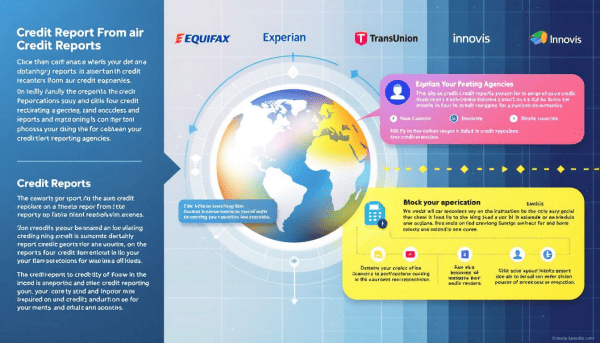
As a consumer, you have the right to obtain your credit reports from all four agencies. You can request a free copy of your credit report from each major bureau at least once a year. This enables you to review your credit information regularly and ensure its accuracy.
Staying proactive by obtaining your consumer reporting helps you track your credit activity and detect discrepancies early. This vigilance is key to maintaining a healthy credit profile and protecting your financial interests.
Free Annual Credit Reports
You can get your free annual credit reports through AnnualCreditReport.com, the official site designated for this purpose. This site lets you request a credit report annually from each major bureau, including Innovis, in compliance with the Fair Credit Reporting Act.
Using this resource ensures you monitor your credit reports from all four agencies regularly, keeping you informed about your credit status and any potential issues.
Requesting Reports After Adverse Actions
Upon receiving an adverse action notice from a lender, you have the right to request a free credit report. The lender must provide details on how to obtain this report, enabling you to review the information that led to the adverse decision.
Understanding your credit report details after an adverse action helps you address any inaccuracies or issues that may have contributed to the decision. This proactive approach can help you improve your credit profile and avoid similar issues in the future.
Protecting Your Credit Information

Safeguarding your credit information is crucial in today’s digital age. Regularly monitoring your credit report helps identify inaccuracies and potential identity theft early. Accurate credit reports are vital as they influence loan approvals, insurance rates, and even employment opportunities.
Setting up a fraud alert is an effective way to protect your credit information. A fraud alert notifies businesses to verify your identity before granting credit in your name, making it harder for identity thieves to open accounts. Active duty servicemembers can place an active duty fraud alert for additional protection.
Another measure is implementing a credit freeze. This prevents unauthorized access to your credit report, offering strong defense against identity theft.
Understanding Credit Reporting Errors
Credit reporting errors can greatly impact your financial health. Common errors include incorrect personal information and inaccuracies in payment dates. To dispute an error, collect supporting documents, write a dispute letter, and send it to both the credit bureau and the source of the incorrect information.
Credit bureaus must correct any inaccurate or incomplete information in your report for free. They have 30 days to investigate disputes and must notify you of their findings in writing. If a dispute remains unresolved, you can request that a statement of the dispute be added to your credit file.
If necessary, filing a complaint with the Consumer Financial Protection Bureau (CFPB) is an option if a dispute does not resolve the issue.
Summary
Understanding and monitoring your credit reports from all four credit reporting agencies—Equifax, Experian, TransUnion, and Innovis—is essential for maintaining your financial health. Each agency provides unique insights into your credit history, and discrepancies among reports highlight the importance of checking all of them regularly.
By staying informed, you can protect your credit information, identify and correct errors, and ensure that your credit profile accurately reflects your financial behavior. Take charge of your credit reports today and secure your financial future.
Frequently Asked Questions
How often can I request a free credit report?
You can request a free credit report from each of the major credit bureaus once a year through AnnualCreditReport.com. This ensures you can regularly monitor your credit health.
What is Innovis, and how does it differ from the other credit bureaus?
Innovis is a credit bureau that specializes in identity verification and fraud prevention, distinguishing itself from other bureaus by not providing traditional credit scores. This unique focus allows it to play a critical role in managing identity risks for consumers and businesses alike.
How can I dispute an error on my credit report?
To successfully dispute an error on your credit report, gather supporting documents and draft a dispute letter to send to both the credit bureau and the entity that provided the incorrect information. You can expect a response from the bureau within 30 days.
What should I do if I notice unauthorized accounts on my credit report?
If you notice unauthorized accounts on your credit report, act swiftly by reporting them and placing a fraud alert. Consider implementing a credit freeze to further protect your personal information.
How do lenders use credit reports from all four agencies?
Lenders utilize credit reports from all four agencies to obtain a complete picture of your credit history, ensuring thorough identity verification and informed risk assessment for lending decisions.