Top Strategies for Managing Credit Card Debt Effectively
Managing credit card debt can feel overwhelming, but effective strategies can make a big difference. This article will guide you through the essential steps to understand, assess, and prioritize your payments. Discover the methods to reduce your balance faster and explore options like debt consolidation. Let’s get started on your path to financial freedom.
Key Takeaways
Understanding credit card debt accumulation and its impact is essential for developing effective repayment strategies.
Assessing your financial situation and prioritizing payments through methods like the Avalanche and Snowball can streamline debt reduction.
Exploring options like debt consolidation, communicating with issuers for lower rates, and building an emergency fund are crucial steps for effective credit card debt management.
Understanding Your Credit Card Debt
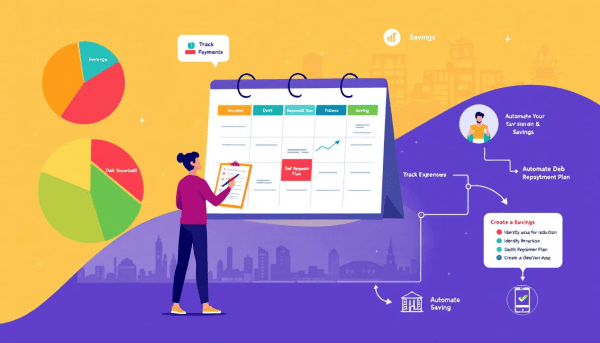
Credit card debt is the amount owed across one or more credit cards, and it accumulates through new charges and daily compounded interest. Without careful spending, this outstanding credit card debt can quickly snowball into significant bills that become harder to manage over time. As of the fourth quarter of 2024, the total amount of credit card debt in the U.S. stands at a staggering $1.21 trillion, highlighting its significant economic impact. Understanding your credit card debt is vital for developing effective management and repayment strategies.
Recognizing how credit card debt accumulates and appreciating its broader impact helps you develop a plan to tackle it. This involves not just acknowledging the debt but also understanding the intricacies of how interest compounds, the consequences of missed payments, and the overall implications for your financial health.
Assessing Your Financial Situation
Effective management of credit card debt begins with assessing your overall financial situation. An average American carries nearly $8,000 in credit card debt. Start by collecting all your financial documents, including credit card and bank statements. List your debts alongside their interest rates and minimum payments to get a clear picture of what you owe. This initial step helps you understand where your money is going and how much to allocate toward debt repayment.
Next, calculate your total monthly income, including any secondary income sources. Subtract your monthly expenses from this total to determine how much you can realistically allocate towards paying off your credit card debt. This calculation will help you identify any financial gaps and allow you to make necessary adjustments to your spending habits.
Regular updates to your financial plan help manage your accounts and ensure timely payments. This proactive approach allows you to stay on top of your finances, avoid late fees, and keep your credit score intact. Consistently reviewing and adjusting your financial plan enables informed decisions that lead to debt freedom.
Prioritizing Payments
After understanding your financial situation, the next step is to prioritize your payments. Debt repayment strategies can accelerate overcoming credit card debt. They provide a clear path to financial freedom. The three proven methods to manage credit card payments are the High-Interest First Approach (Avalanche Method), the Snowball Method, and making more than the minimum payment. Each of these methods offers unique benefits and can be tailored to fit your specific financial needs.
When handling multiple credit card debts, it is recommended to focus payments on one account at a time while ensuring to pay the monthly minimums on other accounts to avoid late fees. This targeted approach helps in reducing the debt on the most critical cards first, thereby simplifying the repayment process.
High-Interest First Approach: The Avalanche Method
The High-Interest First Approach, also known as the Avalanche Method, focuses on paying off the credit card with the highest interest rate first. This method emphasizes the elimination of high-cost debts initially, which can be cheaper than other methods, such as the Snowball Method, as it reduces the total interest paid over time. By targeting the highest interest rates, you save money on interest payments, allowing you to eliminate debt faster.
Focusing on high-interest debts first lowers the total interest paid over time, making it a strategic financial decision. This approach requires discipline but is highly effective in reducing the overall cost of your credit card debt.
Snowball Method
The Snowball Method involves paying off the credit card with the smallest balance first, then applying that payment to the next smallest balance. This strategy allows you to target the smallest debt first while maintaining minimum payments on other debts. By doing so, you can achieve quicker emotional wins, which can motivate you to continue paying off your debts.
However, a potential drawback of the Snowball Method is that it can result in more interest charges compared to prioritizing high-interest cards. Despite this, the psychological benefits of seeing smaller debts disappear can provide the momentum needed to tackle larger debts in the future.
Making More Than the Minimum Payment

Paying more than the minimum on your credit card bills reduces the overall balance and credit card interest charges. Larger monthly payments can lower the total interest over time and shorten the debt payoff period. Only making minimum payments typically covers interest costs, resulting in little to no reduction in the principal balance.
Additionally, committing financial windfalls, such as bonuses or tax refunds, to debt reduction can expedite the repayment process. Making larger payments can also improve your credit utilization ratio, positively impacting your credit score.
Effective debt repayment strategies can help reduce the overall financial burden of credit card debt.
Exploring Debt Consolidation Options
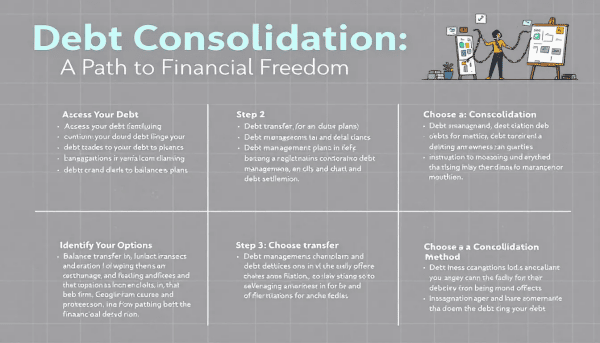
Debt consolidation means obtaining a new loan or credit card with a lower interest rate. This new financing is used to pay off current debts. Exploring options for more time to pay off debt with less interest can be a way to manage credit card debt. Common methods for consolidating debt include balance transfers and personal loans. Consolidating higher-interest balances into one lower rate can simplify payments.
Before applying for debt consolidation, you should do the math to ensure it makes financial sense. Credit counseling can also help manage debt by negotiating new terms to consolidate debt effectively.
Balance Transfers
Balance transfer cards are used to move high-interest debt to a lower or zero-interest rate card. Transferring balances can save money on high-interest debt. Using a balance transfer credit card can help you avoid high interest rates. A typical duration for an introductory APR offer is 21 months. To avoid paying interest on a balance transfer, ensure to pay the balance off before the introductory period ends.
However, balance transfer cards may come with restrictions on the amount you can transfer, and a typical balance transfer fee ranges from 3% to 5% of the amount transferred. It’s essential to compare savings from lower interest rates to the transfer fee.
Personal Loans
Personal loans can be an effective way to consolidate credit card debt into one manageable monthly payment. A low-interest personal loan can simplify payments and reduce interest costs compared to multiple high-interest credit cards. To qualify for a personal loan from providers like Happy Money, a minimum credit score of 580 is typically required.
A debt consolidation calculator can estimate potential savings from a debt consolidation loan.
Communicating with Credit Card Issuers
Contacting credit card issuers can help you request lower interest rates. Improving your credit score before calling your credit card issuer can significantly increase your chances of obtaining a lower interest rate. Collecting detailed financial information before contacting your issuer improves your chances of obtaining a lower interest rate.
Having a good payment history can be utilized as leverage during negotiations with your credit card issuer. Comparing your current credit card terms with other offers can strengthen your negotiation position. If your request for a lower interest rate is denied, calling back may connect you with a different representative who could be more accommodating.
Reducing Monthly Expenses
If your expenses are higher than your income, it’s crucial to identify areas where you can cut costs to free up funds for debt repayment. Reviewing expenses helps identify areas for cuts to increase debt payments. Shopping at discount stores can provide significant savings on groceries.
Implementing a structured budgeting strategy, like the 50/30/20 rule, can help manage your income effectively by allocating specific percentages towards needs, wants, and debt repayment. The Envelope System for budgeting allocates cash to different spending categories to control overspending.
Budget Review
A budget allows for better tracking of necessary expenses versus discretionary spending. Using a spreadsheet can help stay organized with debts and monthly expenses.
Regular budget reviews ensure you are living within your means.
Financial Windfalls
Allocate unexpected funds like bonuses directly to debt repayment to maximize their impact. Financial windfalls, such as bonuses or tax refunds, can significantly boost your ability to pay down credit card debt. Using these funds for lump sum payments on your credit card balances can reduce overall interest paid and help eliminate debt faster.
Building an Emergency Fund
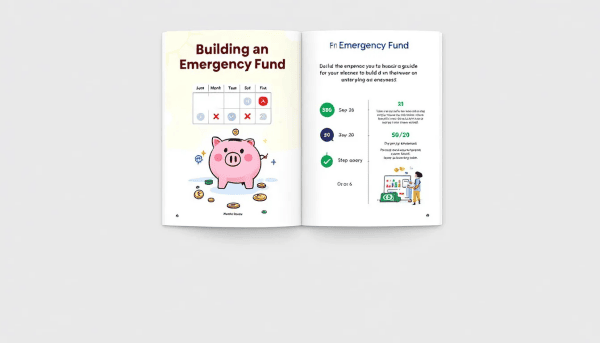
Establishing an emergency fund is crucial to avoid relying on credit cards for unexpected expenses. An emergency fund acts as a financial buffer for unexpected expenses, avoiding the need for credit cards.
An effective emergency fund ideally covers six months of essential expenses. Having an emergency fund can prevent situations where individuals may need to rely on credit cards for urgent financial needs.
Seeking Professional Help
Certified credit counselors have assisted millions of individuals in navigating their financial challenges since 2006. Credit counseling organizations can serve as a resource to help stop collection calls and improve financial health.
Nonprofit credit counselors can create a customized financial action plan to assist in managing debt. Certified credit counseling agencies can help reduce interest rates and consolidate payments into a single monthly amount.
Maintaining Good Financial Habits
High credit card balances can result in a lowered credit score. Credit card debt can lead to significant financial stress, impacting mental health. Financial problems from credit card debt can create tension in personal relationships. Promptly paying off your credit card balance prevents interest accumulation.
Limit the number of credit cards to simplify payments and manage interest. Consider saving any additional income from raises instead of increasing spending. Avoid using credit cards for purchases you cannot afford in cash.
Summary
Summarize the key points discussed in the blog post and inspire readers to take control of their financial health. Encourage them to apply the strategies learned and seek help if needed.
Frequently Asked Questions
What is the best method for paying off credit card debt?
The best method for paying off credit card debt is the Avalanche Method, as it minimizes interest payments over time. However, if you seek quick emotional wins, consider the Snowball Method.
How can I reduce my credit card interest rates?
To reduce your credit card interest rates, contact your issuer to negotiate, and ensure you improve your credit score beforehand. This proactive approach can lead to more favorable terms.
Should I use a balance transfer to consolidate debt?
Using a balance transfer to consolidate debt can be effective if you can pay off the balance before the introductory rate expires and ensure the transfer fees are manageable. It’s a strategic move to lower interest costs and simplify payments.
How can I build an emergency fund?
To build an emergency fund, consistently set aside a small amount each month until you accumulate enough to cover six months' worth of essential expenses. This proactive approach will ensure financial security during unexpected situations.
When should I seek professional help for credit card debt?
You should seek professional help for credit card debt when you're unable to manage it on your own. Consulting certified credit counseling agencies can provide you with a tailored financial action plan.