
The Best Avalanche Method for Debt: How to Crush Your Balances Efficiently
If you’re looking to pay off debt efficiently, the avalanche method for debt prioritizes high-interest balances. This strategy can save you money on interest and reduce your overall debt faster. We’ll explain the process, highlight the benefits, and share tips to keep you motivated.
Key Takeaways
The debt avalanche method prioritizes repaying high-interest debts first to save on interest and shorten repayment periods.
This strategy requires discipline and a systematic approach, including making minimum payments on lower interest debts while accelerating payments on the highest interest debt.
Although it can lead to substantial interest savings and faster debt elimination, the debt avalanche method may lack immediate gratification, making it challenging for some to maintain motivation.
Understanding the Debt Avalanche Method

The debt avalanche method is an accelerated debt repayment plan focusing on the highest interest debt first. Unlike other methods that might prioritize smaller balances, the debt avalanche strategy zeroes in on the most expensive debts in terms of interest. This approach is designed to help lower your overall debt and save significantly on interest charges over time.
Effectively implementing the debt avalanche method requires understanding and adhering to its principles. The primary focus is to pay off the highest interest debt first, which means you direct your extra funds towards this debt while making minimum payments on all your other debts. This strategy is based on principles of math and motivation, ensuring that you reduce the amount of money spent on interest as quickly as possible.
The beauty of the debt avalanche method is that by prioritizing debts with higher interest rates, you can significantly reduce your interest payments over time. This not only helps in lowering your overall debt but also shortens the repayment period, enabling you to become debt-free faster.
A solid debt control plan like this helps avoid extra interest expenses and keeps you on track with your financial goals.
How the Debt Avalanche Strategy Works
Implementing the debt avalanche method involves a systematic approach. Start by listing all your debts from the highest to the lowest interest rate. This step is critical as it sets the stage for prioritizing your payments effectively. Understanding which debts incur the highest interest allows for more efficient resource allocation.
Next, make minimum payments on all your debts except for the one with the highest interest rate. Direct any extra funds you have towards paying off this highest interest debt. This focused approach allows you to attack the most financially draining debt first, accelerating its repayment.
Once the highest interest debt is paid off, roll the payment you were making on that debt into the next highest interest debt. The snowball effect keeps going. It continues until all your debts are settled. Consistently applying this method systematically reduces your overall debt burden and saves a significant amount on interest payments.
Benefits of Using the Debt Avalanche Method

One of the standout benefits of the debt avalanche method is its ability to lower the total interest paid over time compared to other repayment strategies. By targeting the highest interest debt first, you minimize the amount of money lost to interest payments, which can result in substantial savings. This method is particularly advantageous for those with substantial high-interest debts, as it effectively reduces the overall cost of borrowing.
Another significant benefit is the reduction in overall repayment time. The avalanche method helps you eliminate debt more quickly by reducing the interest accumulation that prolongs repayment periods. This accelerates your journey to financial freedom, enabling you to redirect income toward other financial goals sooner.
Additionally, this method provides a clear and mathematically sound strategy for becoming debt-free. Following the debt avalanche strategy helps maintain a focused and disciplined approach to debt repayment, leading to quicker debt elimination and greater financial stability. The psychological benefit of seeing your highest-rate debts diminish can also be a powerful motivator to keep pushing forward.
Potential Drawbacks of the Debt Avalanche Strategy
While the debt avalanche method offers numerous benefits, it also comes with potential drawbacks that may affect its suitability for some individuals. One primary challenge is maintaining sustained focus and patience. Since this method targets higher interest debts, which often have larger balances, it may take longer to see significant progress. This may discourage some, causing them to abandon the strategy.
Another potential drawback is the lack of quick wins. The debt avalanche method does not prioritize smaller debts, which means you might not experience the immediate gratification of paying off a debt quickly. The lack of quick wins can hinder motivation, especially if progress seems slow.
Lastly, the avalanche method requires a high level of discipline. It demands that you stick to the plan even when the going gets tough, which can be challenging for those who struggle with financial self-control. If motivation wanes or financial circumstances change, individuals might revert to making only minimum payments on all debts, diminishing the strategy’s effectiveness.
Debt Avalanche vs. Debt Snowball: Key Differences

Understanding the key differences between the debt avalanche and debt snowball methods can help you choose the right strategy for your situation. The debt avalanche method focuses on repaying debts starting with the highest interest rate first. This approach is particularly beneficial for those facing high-interest debts, as it reduces the total amount spent on interest over time.
In contrast, the debt snowball method emphasizes paying off debts beginning with the smallest balance. This debt snowball strategy is designed to provide psychological boosts by quickly eliminating smaller debts and small debts, which can foster motivation and a sense of accomplishment. If you thrive on quick wins and need immediate gratification to stay motivated, the snowball method might be a better option.
Both methods offer advantages and can be effective depending on your financial situation and personal preferences. The debt avalanche strategy is ideal for those who are analytical and patient, looking to save money on interest in the long run. Meanwhile, the debt snowball approach can be more suitable for individuals who need to see rapid progress to maintain their commitment to debt repayment.
Example of the Debt Avalanche Method in Action
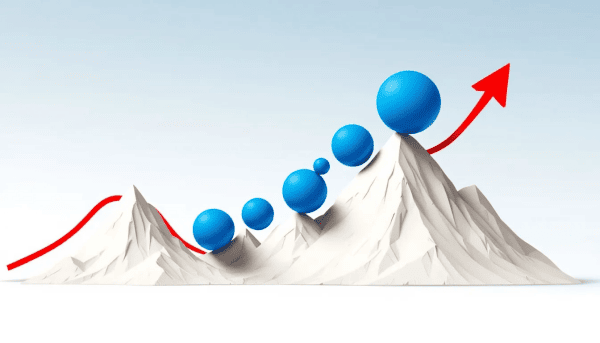
Consider a hypothetical example to illustrate how the debt avalanche method works. Suppose you have the following debts: $600 at 24% interest, $1,000 at 26% interest, and $1,200 at 19% interest. Your monthly budget for debt repayment is $500, and you initially allocate $250 towards credit card debt.
First, you make the minimum payments of $50 on each loan, leaving you with $350 to allocate towards the highest interest debt. In this case, the second credit card with the 26% interest rate would be your primary target. By directing the remaining $350 towards this debt, you can accelerate its repayment significantly.
Once this highest interest debt is paid off, you roll the payment into the next highest interest debt. The process keeps going. It will end once all your debts are eliminated. This method systematically reduces your debt burden and saves a considerable amount on interest payments.
Tips for Staying Motivated with the Debt Avalanche Method
Staying motivated with the debt avalanche method can be challenging, but several strategies can help maintain focus. One effective way is to regularly track your progress and visualize the decrease in your debt. Using a progress tracker can provide a visual representation of how far you’ve come, boosting your motivation.
Another approach is to break down the debt repayment process into smaller, achievable goals. This can make the journey feel less daunting and provide a sense of accomplishment as you reach each milestone. Celebrating these small victories along the way can also enhance motivation and make the debt repayment journey more enjoyable.
Finally, it’s essential to sustain motivation by keeping a long-term view and remaining patient. Remind yourself of the reasons why you want to be debt-free and focus on the ultimate goal of financial freedom. Maintain a positive mindset and stay committed to your plan to overcome challenges and successfully pay off your debt.
Is the Debt Avalanche Method Right for You?

Determining if the debt avalanche method is right for you involves considering your financial situation and personal tendencies. This method is particularly suitable for people with multiple high-interest debts who are analytical and patient. Success with the debt avalanche method requires discipline and the ability to stay focused amid potentially slow perceived progress.
Positive financial habits like budgeting and regularly monitoring expenses help sustain motivation even when enthusiasm wanes. Establishing a clear debt repayment strategy provides direction and measurable progress, which is crucial for maintaining motivation. Reminding yourself why you want to be debt-free can reignite motivation when challenges arise.
However, the debt avalanche method requires discipline and patience, as progress can feel slow despite saving money on interest. If your financial situation changes, you might revert to making minimum payments on all debts, which could diminish the effectiveness of the strategy. Assess your financial habits and willingness to stay committed before deciding if this method is the best fit for you.
Other Debt Repayment Strategies to Consider
While the debt avalanche method is highly effective, other debt repayment strategies might better suit your needs. Debt consolidation, for example, combines multiple debts into a single loan with a lower interest rate, simplifying payments and potentially accelerating debt freedom. Personal loans can also serve this purpose, offering fixed payments over a set period.
Balance transfer credit cards are another option, allowing you to move existing high-interest debt to a card with a lower introductory rate. This can reduce interest payments and help manage your debt more effectively. Additionally, cash-out refinancing can access equity in a property to pay off higher-interest debts, replacing an existing mortgage with a larger one.
Each of these methods has its pros and cons, and the best choice depends on your financial situation and personal preferences. Evaluate all options and choose the strategy that best aligns with your goals and financial habits.
Summary
The debt avalanche method is a powerful tool for those looking to efficiently tackle their high-interest debts. By prioritizing the highest interest rates, this strategy minimizes interest payments and reduces overall repayment time. While it requires patience and discipline, the long-term financial benefits can be substantial. Consider your personal financial situation and goals when deciding if the debt avalanche method is right for you. Remember, the journey to becoming debt-free is not just about eliminating debt but also about building healthy financial habits for the future.
Frequently Asked Questions
What is the debt avalanche method?
The debt avalanche method is an effective debt repayment strategy that prioritizes paying off debts with the highest interest rates first, ultimately reducing the overall interest paid. This method can lead to significant savings and quicker debt freedom.
How does the debt avalanche method differ from the debt snowball method?
The debt avalanche method prioritizes paying off debts with the highest interest rates first, which can save you more money in the long term, whereas the debt snowball method emphasizes eliminating the smallest debts first to provide a sense of achievement and motivation.
What are the benefits of using the debt avalanche method?
Using the debt avalanche method significantly lowers total interest paid and reduces overall repayment time, leading to faster financial freedom by prioritizing high-interest debts. This approach ensures a more efficient and cost-effective way to manage debt.
Are there any drawbacks to the debt avalanche method?
The debt avalanche method may lead to slow progress, as it focuses on higher-interest debts first, which can be discouraging without quick wins, and it demands a high level of discipline to maintain the plan.
What other debt repayment strategies should I consider?
Consider strategies such as debt consolidation, personal loans, balance transfer credit cards, and cash-out refinancing, as each option presents unique advantages and considerations to help effectively manage your debt.