
Does Getting a New Credit Card Hurt Your Credit Score? Find Out Here
Does getting a new credit card hurt your credit score? Yes, but the impact is usually temporary and minor. In this article, we’ll explain why applying for a new credit card causes a dip in your score and how you can manage it effectively.
Key Takeaways
Applying for a new credit card results in a hard inquiry, causing a temporary credit score drop, usually less than five points.
Opening new credit cards decreases the average age of accounts and can impact credit utilization ratios, both of which are crucial for your score.
Responsible management of credit accounts, including timely payments and diversification of credit types, is key to maintaining a healthy credit score.
Immediate Impact on Your Credit Score
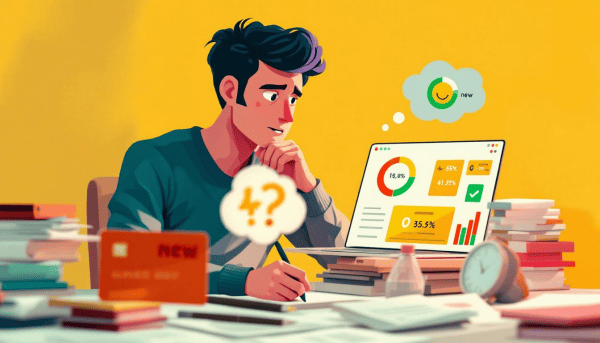
Applying for a new credit card triggers a hard inquiry on your credit report, which can cause a temporary drop in your credit score, generally less than five points. Although it might seem alarming, this minor dip typically lasts less than a year.
The immediate impact on your credit score is minimal; however, even a few points can be crucial if you’re on the edge of a credit tier. For significant financial moves like applying for a mortgage, consider waiting to open a new credit card until after your loan is approved.
How Hard Inquiries Affect Your Credit Report
Hard inquiries, occurring when you apply for credit, can reduce your score by up to 10 points. They stay on your report for two years, but their impact is generally felt only for the first year. Usually, the drop is around five points or less, but multiple inquiries in a short period can have a more substantial effect.
Interestingly, if you’re shopping for the same type of credit, such as a mortgage or auto loan, within a specified timeframe, these multiple inquiries are usually consolidated into a single inquiry for scoring purposes. This consolidation helps prevent significant drops in your credit score when you’re rate shopping.
The Role of Average Account Age
Opening new credit accounts decreases the average age of all your credit accounts. When you open a new credit card, it reduces both the age of the newest account and the average age of all accounts. This decrease in average account age can lead to a reduction in your credit score.
The age of your accounts significantly influences your FICO Score, accounting for 15% of the overall score. Maintaining older accounts and being cautious about opening new ones contribute to a healthy credit profile. Closing your oldest account after ten years will also lower the average age of accounts, further impacting your score.
Changes in Credit Utilization Ratio
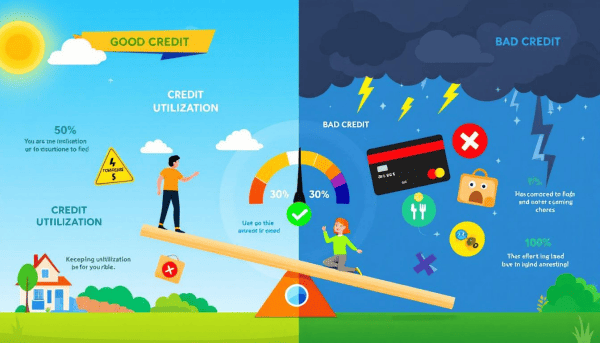
A new credit card can temporarily reduce your score due to increased amounts owed. However, it can also improve your credit utilization ratio if not heavily used. Credit utilization, the ratio of balances to limits, significantly impacts your fico credit score and credit scoring. Keeping this ratio below 30% is vital for a healthy credit score.
When you open a new credit card, your available credit increases, which can lower your credit utilization ratio if you don’t max out the new card. Using your credit card actively and avoiding a $0 balance can positively influence your credit score.
Diversifying Your Credit Mix
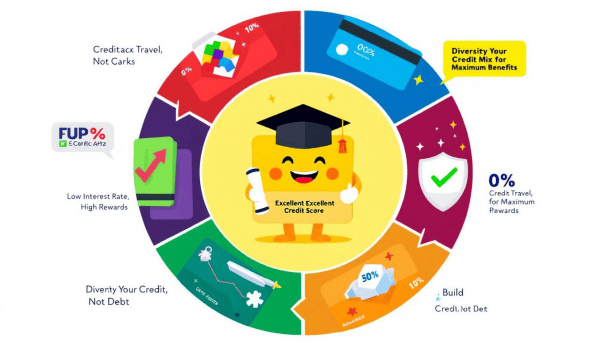
Credit mix affects 10% of your overall score, making it important. A diverse mix, including revolving credit like credit cards, can improve your score. If all your existing credit is installment loans, adding a credit card can enhance your mix.
Responsible management of both revolving and installment credit can be beneficial for your credit health. Ensuring that you handle various types of credit responsibly demonstrates to lenders that you are a reliable borrower.
Building a Positive Payment History
Timely payments are vital for improving your credit rating, demonstrating financial responsibility. Late payments can significantly lower your score and stay on your report for up to seven years. Paying your bill on time and in full helps avoid interest charges and maintain a good score.
Consistent payments through a debt management program can improve your payment history and potentially boost your score. Responsible use of a new credit account can lead to a lower credit utilization percentage, enhancing your score over time.
Risks of Opening Multiple Credit Cards at Once
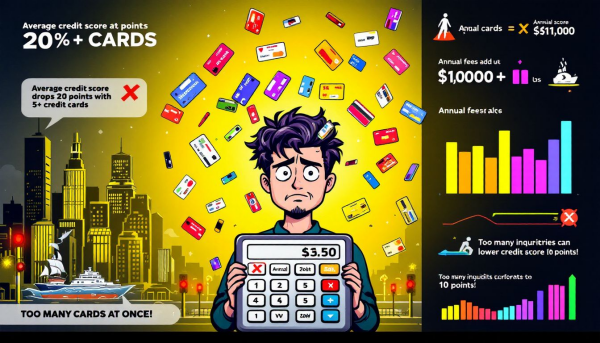
Adding multiple new accounts in a short time can have a pronounced negative effect on credit scores. Excessive hard inquiries from numerous credit card applications in a short period can be detrimental, potentially causing a significant drop in your score.
Applying for several credit cards simultaneously can signal to lenders and credit bureaus that you might be overextending your credit. Too many cards can lead to missed payments, charge-offs, and high utilization, negatively impacting your score.
Managing multiple credit cards can be challenging due to different payment schedules, interest rates, and fees.
Managing New Credit Card Debt
Late payments on multiple accounts negatively affect your credit score. If increased debt leads to missed payments, your score can suffer. Opening a new credit card can increase debt, potentially harming your score.
Maxing out credit cards can lead to payment delinquencies, adversely affecting your score. When using a higher limit from a new card, avoiding overspending is crucial.
Pre-Approval vs. Formal Application: What's the Difference?
A soft inquiry used in pre-approval does not impact your score, while a hard inquiry from a formal application can lower it. Prequalification, a lower stage than pre-approval, typically involves a soft pull that won’t affect your score.
Different lenders may refer to credit checks in varying ways, so confirming whether a check is soft or hard is crucial before proceeding. Understanding these differences helps make informed decisions and protect your score.
Should You Keep an Unused Credit Card Open?
Cancelling your first credit card can negatively affect your score by reducing the overall credit limit. Closing a card can have negative consequences. Avoid months of inactivity to keep your card in good standing.
Inactive credit cards may lead issuers to close the credit card account or reduce the credit line on credit card accounts. To prevent closure, making occasional small purchases on unused cards is advisable.
If a credit card has a high annual fee and isn’t used regularly, closing it may be a wise decision.
Best Practices for Opening New Credit Accounts
Limiting oneself to two or three credit accounts helps maintain a manageable financial situation. Shopping around and comparing offers before applying is a smart strategy.
Regularly reviewing credit card charges helps identify unauthorized transactions and manage spending. Strategic planning when opening a new credit card account can minimize negative impacts on your score.
Summary
In summary, opening a new credit card can have both positive and negative impacts on your credit score. Understanding the immediate effects, managing your credit utilization ratio, and maintaining a diverse credit mix are crucial steps. By building a positive payment history and being cautious about opening multiple accounts, you can navigate the complexities of credit scoring effectively. Keep these best practices in mind to maintain a healthy credit profile and achieve your financial goals.
Frequently Asked Questions
How much does a hard inquiry affect my credit score?
A hard inquiry can lower your credit score by up to 10 points and generally affects your score for about one year. It’s important to manage your inquiries to maintain a healthy credit profile.
Does opening a new credit card always hurt your credit score?
Opening a new credit card can temporarily lower your score because of a hard inquiry and changes in credit utilization; however, responsible management may ultimately improve your credit in the long run.
What's the difference between pre-approval and a formal application?
The key difference is that pre-approval uses a soft inquiry, which does not impact your credit score, while a formal application involves a hard inquiry that can lower your score. Understanding this distinction is crucial in managing your credit health.
Should I close an unused credit card?
Closing an unused credit card can be a wise decision if it carries a high annual fee, but maintaining it may be beneficial for your credit history and overall credit limit. Carefully weigh these factors before making your decision.
How can I manage multiple credit cards effectively?
To manage multiple credit cards effectively, regularly review your charges, keep track of payment schedules, and avoid maxing out your cards. This responsible approach will help you maintain a good credit score.