
Best Strategies on How to Boost Credit Score Quickly
Want to know how to boost your credit score quickly? This article will show you practical steps to improve your credit score without overwhelming you with complex jargon. You’ll learn quick strategies to help you secure better loans and improve your overall financial health.
Key Takeaways
Understanding credit scores and their components is essential for effective improvement strategies.
Key strategies to quickly boost credit scores include making on-time payments, reducing high balances, and requesting higher credit limits.
Establishing long-term good credit habits, such as regular monitoring and financial discipline, is crucial for sustained credit score improvement.
Understanding Credit Scores

Before exploring the strategies, understanding what a credit score is and how it’s calculated is crucial. This foundational knowledge will help you make sense of the actions you need to take to improve your score.
What is a Credit Score?
A credit score is a numerical expression of your creditworthiness, typically ranging from 300 to 850. Lenders use this score to gauge your ability to repay loans on time, which directly impacts your ability to secure loans, mortgages, and even rental agreements. Generally, a good credit score is considered to be 760 or higher, but scores between 661 and 780 are also regarded as good.
Having a good credit score is not just about securing loans; it can also influence the interest rates you receive and your overall financial health. Lenders and landlords often check credit scores to assess responsibility and creditworthiness. The average credit score is around 718, giving you a benchmark to aim for.
How Credit Scores are Calculated
Credit scores are calculated based on five key factors: payment history, amounts owed, length of credit history, new credit inquiries, and credit mix. Payment history is the most significant factor, accounting for 35% of your FICO score. Making on-time payments is vital for maintaining a high credit score.
Credit utilization, or the ratio of current debt to available credit, makes up 30% of your score. The length of your credit history, new credit inquiries, and the diversity of your credit mix also play significant roles. Understanding these factors will help you focus on the most impactful areas when trying to boost your credit score.
Key Strategies to Boost Your Credit Score Quickly
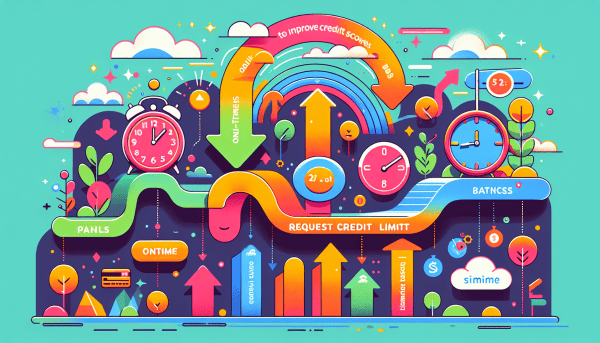
Now that you understand what a credit score is and how it’s calculated, let’s dive into some key strategies to boost your credit score quickly.
These actionable steps can lead to significant improvements, especially if you have a lower score.
Make On-Time Payments
Making on-time payments is the largest scoring factor for your credit score, accounting for 35%. Setting up automatic payments can help ensure that you never miss a deadline, thereby maintaining a positive payment history. If automatic payments aren’t feasible, setting reminders can also be effective.
Late or missed payments can significantly lower your credit score. If you do miss a payment, it’s vital to pay the outstanding balance immediately and reach out to the creditor.
To better manage cash flow, consider paying your bills twice a month instead of once. This minimizes the risk of delinquent payments, which can stay on your credit report for up to seven years.
Pay Down High Balances
Credit utilization accounts for 30% of your credit score, making it crucial to keep your utilization rate below 30%. To manage this, make extra payments on your credit card accounts to lower your balance. Setting a personal credit usage limit can help you stay within a manageable range each month.
Implement payment strategies like the snowball method, avalanche method, or debt consolidation to efficiently manage and reduce debt. A lower interest rate can also help you pay off balances faster, thus lowering your credit utilization.
Remember, timely payments are the most significant factor in credit scoring.
Request Higher Credit Limits
Requesting an increase in your credit limit can significantly boost your credit score if you manage your spending responsibly. This helps improve your credit utilization ratio, which is a key factor in maintaining a healthy credit score.
The process of requesting a credit limit increase is straightforward and typically involves contacting your credit card issuer. However, it’s crucial to keep your spending in check to maximize the benefits of this strategy. Increasing your credit limit can provide more available credit, thus lowering your overall utilization rate.
Correcting Errors on Your Credit Report

Errors on your credit report can significantly impact your credit score. Regularly checking your credit reports from the three major credit bureaus—Experian, Equifax, and TransUnion—can help ensure that your information is accurate and up-to-date.
Regularly Check Your Credit Reports
Regularly checking your credit report can help you identify inaccuracies or fraudulent activities early. You can obtain your credit report for free from AnnualCreditReport.com. Check your reports at least once a year from each major bureau—Experian, Equifax, and TransUnion.
Common credit report mistakes include incorrect personal information and erroneous payment dates. Regularly monitoring your credit score can help detect these errors and prevent identity theft. By keeping an eye on your credit report, you can track your progress and ensure your credit history remains accurate.
Dispute Inaccurate Information
If you find errors on your credit report, it’s essential to dispute them with the credit reporting agencies. Obtain your free credit reports and review them for any inaccuracies. When disputing errors, provide supporting documents along with your dispute letter.
Credit bureaus have 30 to 45 days to investigate disputes, typically resolving them within 30 days. If your dispute does not resolve the error, you can escalate the issue by filing a complaint with the Consumer Financial Protection Bureau.
Utilizing Credit Building Tools
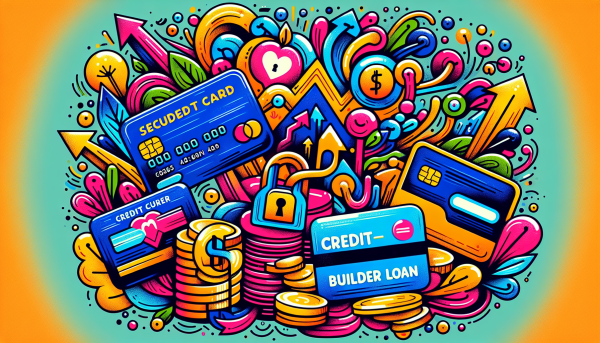
Utilizing credit-building tools is essential for enhancing or rebuilding your credit score effectively. These tools can significantly support individuals in achieving and maintaining a good credit score.
Secured Credit Cards
A secured credit card is a tool for building credit that requires an upfront security deposit. This deposit typically serves as collateral for the credit limit. Using a secured credit card responsibly can help you build a positive credit history, making it a valuable tool for those looking to establish or rebuild their credit.
Credit-Builder Loans
Credit-builder loans allow borrowers to improve their credit by making regular payments that are reported to credit bureaus. Making timely payments on a credit-builder loan helps build a positive payment history, which is crucial for improving your credit score.
Rent and Utility Payment Reporting
Experian Boost is a service that allows users to link their bank accounts to report non-traditional payments, such as utilities, to improve their credit score.
Payments that can be added using Experian Boost include:
Streaming services
Phone bills
Utility bills
Eligible rent payments
Rent and utility payment reporting services can help individuals build their credit history by including non-traditional payment information in their credit reports. VantageScores consider rent payments in their calculations, while FICO 8 does not; the effectiveness of rent-reporting services depends on the consumer’s payment history and service capabilities.
Managing Credit Accounts Wisely
Managing your credit accounts wisely involves developing the discipline to pay down debt and managing your current credit card account responsibly. Regularly reviewing your debt balances can keep you informed and help you manage your credit utilization effectively.
Avoid Closing Old Accounts
Keeping older credit accounts open can help preserve your credit history and, consequently, your credit score. The age of the oldest account is a significant factor influencing your FICO® score, accounting for 15% of it.
It is advisable to use older credit cards periodically to keep them active and beneficial to your credit profile. Consider using your oldest credit card every few months or putting a small recurring bill on it to maintain its activity.
Closing an old account can result in negative impacts on your credit score, especially if it reduces your credit history length.
Limit New Credit Applications
Applying for several new credit accounts at once can have a detrimental effect on your credit score. Each new credit application typically results in a hard inquiry, which can lower your score temporarily.
To maintain a healthy credit score, limit new credit applications and space them out over time.
Diversifying Your Credit Mix
A varied credit mix can enhance your creditworthiness and appeal to lenders. Maintaining a good mix of credit types can positively influence your credit score.
Revolving vs. Installment Credit
Revolving credit, such as credit cards, tends to fluctuate based on your spending patterns, whereas installment credit, like loans, is typically fixed. Both types of credit have different impacts on your credit score due to their nature of usage and payment.
Becoming an Authorized User
Becoming an authorized user on someone else’s credit card can help establish a positive credit history. This adds positive payment history and can improve your credit utilization ratio, which can have an immediate positive effect on your credit score.
Ensure the primary cardholder has a positive payment history and low credit utilization before becoming an authorized user.
Long-Term Good Credit Habits
Improving a credit score generally requires time and consistency. Creating consistent credit habits is the most impactful action for improving credit scores.
Consistent Monitoring and Review
Signing up for credit monitoring can provide alerts about important changes and suspicious activity in your credit profile.
Review your credit reports from each of the three major bureaus at least once a year.
Financial Discipline and Planning
Maintaining financial discipline is crucial for a good credit score as it directly affects your payment history and credit utilization. Creating and sticking to a budget can help you make on-time payments and control your credit utilization.
Strategic planning, such as regularly reviewing and updating financial goals, is fundamental for sustainable credit management. Utilizing services like credit monitoring tools can help track credit score changes and inform planning adjustments. Setting reminders for payment due dates can improve on-time payments and maintain a positive credit history.
Summary
Improving your credit score is not an overnight process, but with the right strategies and consistent effort, you can see significant improvements quickly. From making on-time payments and paying down high balances to utilizing credit-building tools and correcting errors on your credit report, each step plays a crucial role in boosting your credit score. Remember, the key to long-term credit health lies in maintaining good habits and staying vigilant. With these strategies in place, you’re well on your way to achieving a stellar credit score and securing a brighter financial future.
Frequently Asked Questions
How often should I check my credit reports?
You should check your credit reports at least once a year from each of the three major credit bureaus—Experian, Equifax, and TransUnion—to ensure accuracy and stay informed about your credit health.
What should I do if I find an error on my credit report?
If you find an error on your credit report, promptly dispute it with the credit reporting agencies by submitting relevant documents and a dispute letter. They are required to investigate and resolve the issue within 30 to 45 days.
Can becoming an authorized user on someone else's credit card help my credit score?
Yes, becoming an authorized user on someone else's credit card can positively impact your credit score by adding to your credit history, improving your payment history, and enhancing your credit utilization ratio. This can lead to an immediate boost in your credit score.
Why is it important to keep older credit accounts open?
It is crucial to keep older credit accounts open because they enhance your credit history, which significantly boosts your credit score due to the weight of account age in credit evaluations. Maintaining these accounts can lead to better loan terms and lower interest rates in the future.
How can I quickly lower my credit utilization rate?
To quickly lower your credit utilization rate, consider paying down high balances on your credit cards and making extra payments. Additionally, requesting a higher credit limit can also help improve your utilization ratio.