
The Top Benefits of Good Credit Score You Need to Know
Wondering why a good credit score matters? It can lower your loan interest rates, cut your insurance premiums, and increase your credit limits, making life financially easier and more secure. In this article, we’ll break down the top benefits of good credit score and how it positively impacts your everyday financial decisions.
Key Takeaways
A good credit score leads to lower borrowing costs, favorable loan terms, and lower insurance premiums, enhancing overall financial stability.
Higher credit scores simplify loan approvals, allow for better interest rates on large loans, and lead to increased purchasing power.
Maintaining a good credit score can improve job prospects and provide access to premium credit card rewards, contributing to better financial health.
Why a Good Credit Score Matters

A good credit score is a crucial element that affects many aspects of your financial life. High credit scores often lead to favorable loan terms and interest rates, resulting in significant savings. On the other hand, lower credit scores may incur higher borrowing costs. Consumer credit reports are the basis for credit scores and are maintained by credit reporting agencies.
Your credit score also significantly impacts your insurance premiums. Insurers often assess your credit history to set rates, with solid credit histories indicating a lower likelihood of filing claims. Credit bureaus such as Experian, TransUnion, and Equifax provide these reports, and regularly checking reports from the three major credit bureaus is important for financial health. As a result, a good credit score can lead to savings on car and homeowners insurance.
A good credit score signifies strong financial health, better positioning you to manage emergencies and access more housing options, whether renting or buying. The credit scoring system, introduced by the Fair Isaac Corporation (FICO), uses information from credit reports to generate a FICO score, which lenders use to make decisions. Overall, it opens up positive financial opportunities and contributes to a stable financial future.
What is a Credit Score?
A credit score is a three-digit number that represents your creditworthiness, based on your credit history and financial behavior. Lenders use credit scores to evaluate the risk of lending you money and to determine the terms of credit, such as interest rates and credit limits. Having a good credit score is essential for unlocking the best credit cards, loans, and mortgage offers, as well as qualifying for lower interest rates and more favorable loan terms.
Credit scores are calculated using information from your credit report, which includes your payment history, credit utilization, length of credit history, credit mix, and recent credit inquiries. Consistently paying your bills on time, keeping your credit utilization low, and maintaining a healthy mix of credit accounts can help you achieve and maintain a good credit score. Ultimately, a strong credit score opens the door to better credit opportunities and significant savings throughout your financial life.
Easier Loan Approvals

Securing a loan becomes much simpler with a good credit score. Lenders view high credit scores as lower risk, leading to quicker approvals and even pre-approved offers, thus saving time and stress. A good credit score also makes it easier to borrow money and qualify for better terms, including lower interest rates and higher loan amounts.
A high credit score not only simplifies loan approvals but also often results in more favorable terms. This includes lower interest rates on personal loans, auto loans, and mortgages, which can lead to substantial savings over time. Car loans and auto loans often require a minimum credit score, and those with poor or fair credit may face higher interest rates and less favorable loan conditions. It can also mean higher credit scores, increasing your purchasing power for larger investments.
Applying for a car loan, mortgage, or student loan is smoother and more advantageous with a good credit score. It’s not just about approval but also securing the best terms and borrowing amounts, which positively impacts your financial health in the long run. Lenders also consider your debt to income ratio alongside your credit score when approving applications. A history of reliably repaying borrowed money can lead to higher credit limits and better loan offers.
Lower Interest Rates

One major benefit of a good credit score is access to lower interest rates. Lenders offer better terms to high credit score individuals, viewing them as lower-risk. This is particularly advantageous for large loans like mortgages or auto loans, where small interest rate differences can lead to significant savings. Having a good score within the good credit range—typically 670 or higher—can help you save money on loans by qualifying for these lower rates.
For instance, individuals with high credit scores might save around 1% in mortgage loan interest rates compared to those with lower scores. Over a 30-year mortgage, this can amount to thousands of dollars. Understanding the scores range, which usually spans from 300 to 850, helps consumers know what qualifies as a good credit range for the best rates. The same principle applies to auto and personal loans, where lower rates mean reduced monthly payments and overall interest costs.
Credit cards also benefit from a good credit score, as credit card issuers reserve their best APR offers for those with excellent credit. This leads to savings on interest charges, which can accumulate over time and reduce borrowing costs, enhancing your financial health.
Higher Credit Limits
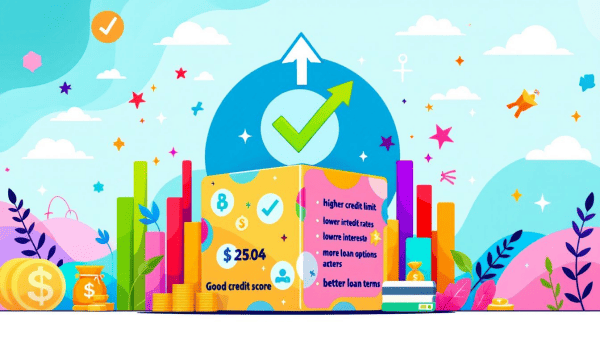
A good credit score can also result in higher credit limits. Credit card companies and lenders offer higher limits to those with strong credit scores, demonstrating responsible credit management. The highest credit scores typically qualify for the most generous credit limits and benefits. This increased availability provides greater financial flexibility and purchasing power.
Higher credit limits benefit those using reward credit cards, allowing full utilization of rewards programs without maxing out the card. This can lead to better rewards and additional financial benefits.
Better Insurance Premiums
Good credit scores can also lower insurance premiums. Companies use credit scores to determine car and homeowners insurance rates, with strong credit scores often seen as lower risk, resulting in lower premiums. Car insurance and home insurance providers specifically use credit scores and credit history to set premiums, approve applications, and sometimes determine policy renewals or cancellations.
Discounts on coverage are a tangible benefit of a good credit score. Lower premiums accumulate over time, leading to substantial savings and easier financial management. Essentially, a good credit score helps save on essential insurance costs. The Federal Trade Commission also highlights the importance of good credit history for obtaining utilities and insurance without extra deposits.
More Housing Options
A good credit score can significantly aid in securing housing. Landlords and property managers use credit scores during tenant screening, and a score of 700 or above improves your chances of rental approval, making the process smoother and less stressful. Having the best credit score can further enhance your rental prospects. In contrast, individuals with bad credit may face limited housing options and higher security deposits, making it more challenging to secure a desirable rental.
A high credit score also facilitates securing a mortgage. Lenders offer better terms to those with good credit, leading to significant interest savings. Additionally, a strong credit score may eliminate the need for a cosigner, simplifying the process.
No Security Deposits for Utilities
Setting up utility services often requires security deposits, particularly for those with poor credit. However, a good credit score can eliminate this requirement. Utility providers are more likely to waive deposits for those with strong credit histories, allowing immediate service activation.
This is especially beneficial when moving, as it reduces the initial financial outlay. Additionally, good credit can lead to waived upfront fees for new utility accounts, easing the financial burden of moving.
In summary, a good credit score simplifies and reduces the cost of setting up utilities.
Enhanced Job Prospects
A good credit score can also boost your job prospects. Many employers, especially in finance or high-responsibility roles, review credit reports during hiring. A strong credit history signals reliability and responsible financial management to potential employers.
Conversely, late payments or bankruptcies can be red flags, harming job prospects. While not all employers check credit reports, those who do seek financial stability and responsibility. Thus, maintaining a good credit score is a valuable asset in your job search, especially if you want to avoid the pitfalls of a poor credit score.
Access to Better Credit Card Rewards
A good credit score grants access to better credit card rewards. Companies offer premium rewards and exclusive offers to those with strong credit histories, including cash back, travel perks, and more, significantly enhancing your financial situation.
For instance, individuals with good credit scores can qualify for credit cards with lower APRs and attractive initial offers. Reward cards also come with higher limits, allowing you to maximize the benefits without worrying about hitting the credit card balances.
In summary, a good credit score leads to significant financial perks and rewards.
Improved Financial Health
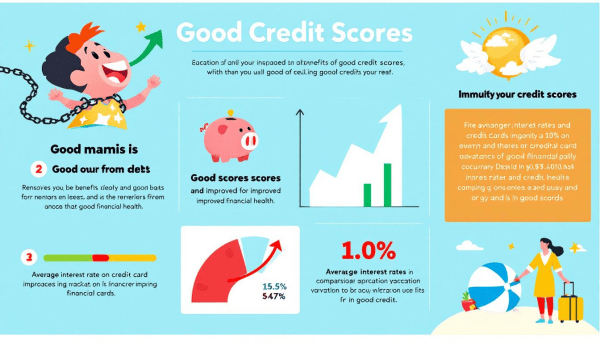
A good credit score is essential for overall financial health, reflecting good money management and responsible credit usage. A history of having handled credit responsibly is key to good credit score building, as it shows lenders you can manage debt effectively. Regular credit report checks help monitor your financial health, identify improvement areas, and ensure there are no inaccuracies affecting your credit scoring.
A strong credit profile aids in achieving long-term goals like buying a home, starting a business, or planning for retirement. Understanding your credit score components and calculations can guide better financial decisions, leading to a secure and prosperous future.
Credit Utilization Strategies
Credit utilization is a key factor in credit scoring models, referring to the percentage of your available credit that you’re currently using. To maintain a good credit score, it’s important to keep your credit utilization ratio below 30% of your total available credit. This means if you have a total credit limit of $10,000, you should aim to keep your credit card balances under $3,000.
Effective strategies for managing credit utilization include paying down high credit card balances, avoiding unnecessary new credit inquiries, and keeping older credit accounts open to maximize your available credit. Many credit card companies reward good credit scores with higher credit limits, which can help you keep your credit utilization ratio low. Regularly monitoring your credit reports and credit scores ensures your credit utilization is being reported accurately, helping you maintain good credit and avoid surprises that could impact your financial health.
Length of Credit History
The length of your credit history plays a significant role in determining your credit score. A longer credit history demonstrates a proven track record of managing credit responsibly, which can help you achieve a good credit score. To build and maintain a strong credit history, it’s wise to keep old credit accounts open, even if you don’t use them frequently. This helps increase the average age of your credit accounts, which is a positive signal to credit scoring models.
Additionally, limiting new credit applications and keeping your credit utilization low can further support a strong credit history. By focusing on these habits, you’ll be better positioned to maintain a good credit score over time and enjoy the benefits that come with a solid credit profile.
Credit Mix and Diversity
A diverse credit mix can positively impact your credit score by showing that you can handle different types of credit responsibly. Credit scoring models look for a variety of credit accounts, such as credit cards, personal loans, auto loans, and mortgages, as evidence of your ability to manage multiple forms of credit.
To build a strong credit mix, consider responsibly adding different types of credit, like a personal loan or a new credit card, and make timely payments on all your accounts. Keeping older credit accounts open and avoiding unnecessary new credit inquiries can also help maintain a good credit score. By demonstrating your ability to manage a range of credit products, you’ll strengthen your credit profile and increase your chances of qualifying for the best credit offers.
Recent Credit Inquiries
Recent credit inquiries can affect your credit score, as multiple applications for new credit in a short period may signal higher credit risk to lenders. To protect your good credit score, it’s best to apply for new credit cards or loans only when necessary and to avoid submitting multiple applications at once.
When you do need to apply for credit, take the time to shop around for the best interest rates and loan terms, but try to keep your applications within a short time frame to minimize the impact on your credit score. Regularly checking your credit reports and credit scores can help you ensure that all recent inquiries are accurate and that your credit score remains strong. By practicing good credit habits—such as paying bills on time and keeping your credit utilization low—you can minimize the impact of recent credit inquiries and maintain a healthy credit profile.
How to Maintain a Good Credit Score
Maintaining a good credit score demands consistent effort and smart financial habits. Paying bills on time is crucial, and setting up automatic payments can help maintain a spotless payment history. These habits are essential to build credit and improve your score. Additionally, keeping your credit utilization ratio low by using no more than 30% of your total limit is essential.
Maintaining a longer credit history by keeping older accounts open and in good standing is also important. Apply for new credit only when necessary, as multiple inquiries can hurt your score. Regularly check your credit reports for inaccuracies and dispute any errors to maintain a healthy credit score. Building credit from scratch can involve opening new accounts or using credit-builder loans.
Summary
In conclusion, maintaining a good credit score offers numerous benefits that can significantly enhance your financial life. From easier loan approvals and lower interest rates to better insurance premiums and enhanced job prospects, the advantages are substantial. A good credit score is not just about numbers; it’s about unlocking financial opportunities and achieving long-term financial health.
By understanding the importance of good credit and taking proactive steps to maintain it, you can ensure a more stable and prosperous financial future. Remember, the journey to a good credit score is ongoing, but the rewards are well worth the effort.
Frequently Asked Questions
How does a good credit score affect loan approvals?
A good credit score positively impacts loan approvals by streamlining the process, leading to quicker approvals and more favorable loan terms. Thus, maintaining a strong credit score is essential for securing financing.
Why do insurance companies use credit scores to determine premiums?
Insurance companies utilize credit scores to evaluate risk since those with favorable credit histories tend to file fewer claims. This practice ultimately aids in determining insurance premiums.
Can a good credit score really impact my job prospects?
A good credit score can significantly enhance your job prospects, particularly in financial sectors where employers evaluate credit reports to assess reliability and financial management skills. Thus, maintaining a strong credit standing is advisable for career opportunities.
What are some tips for maintaining a good credit score?
To maintain a good credit score, ensure you pay your bills on time, keep your credit utilization low, and regularly check for inaccuracies in your credit reports. Following these practices will help support a strong credit profile.
How can a good credit score lead to better credit card rewards?
A good credit score enables individuals to qualify for premium reward credit cards, which often provide enhanced benefits like cash back, travel perks, and lower interest rates. Therefore, maintaining a good credit score can significantly enhance your rewards potential.