
Best Tips on How to Build Credit Without a Credit Card
Wondering how to build credit without a credit card? It’s easier than you might think. From becoming an authorized user to reporting rent payments, there are several effective ways to boost your credit score. This article will guide you through these practical steps.
Key Takeaways
Understanding key factors that influence credit scores, such as payment history and credit utilization, is essential for effective credit management.
Becoming an authorized user on a responsible person’s credit card or using credit builder loans can significantly improve your credit score without needing a credit card.
Reporting timely rent and utility payments can enhance your credit profile, diving into services that connect these payments to your credit history.
Understanding Credit and Its Importance
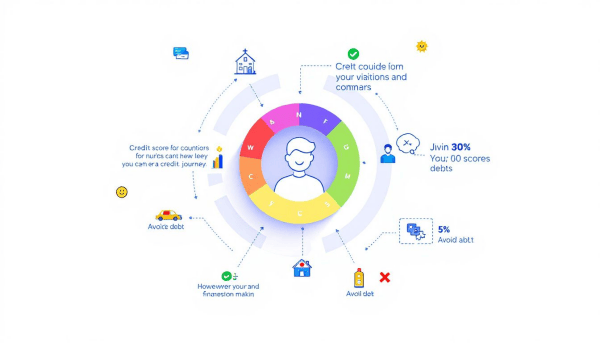
Credit is essentially money borrowed that you agree to pay back later. It plays a crucial role in our financial lives, impacting everything from renting or buying a home to job prospects and securing loans. A strong credit score, typically ranging from 690 to 850, opens doors to favorable financial opportunities. Your credit score is a numerical representation of your creditworthiness, and it is influenced by several factors.
The five key factors that affect your credit score include:
Payment history, which accounts for the largest portion, emphasizes the importance of making on-time payments.
Debt-to-credit ratio, or credit utilization, indicates how much of your available credit you’re using, ideally kept below 30%.
Length of credit history shows how long you’ve been using credit.
Types of credit reflect the diversity of your credit accounts.
Recent credit inquiries reveal how often you’ve applied for new credit recently.
Understanding these factors can help you manage and improve your credit score effectively.
Regularly reviewing your credit reports keeps you informed about what lenders see, influencing your lending decisions. Monitoring your credit reports ensures you’re prepared before applying for loans or mortgages. Keeping an eye on your credit report ensures its accuracy and helps prevent potential issues like credit denial.
Become an Authorized User on Someone Else's Credit Card
One of the easiest ways to build credit without a credit card is by becoming an authorized user on someone else’s credit card account. As an authorized user, you can use the credit card without being responsible for the debt. This arrangement allows you to benefit from the primary cardholder’s good credit habits, as many credit card issuers report the full history of the account to the authorized user’s credit report.
This strategy can significantly boost your credit score, especially if the primary cardholder makes timely payments and maintains a low credit utilization. However, make sure the primary cardholder has a strong credit history because any late payments or high balances can negatively impact your credit score.
Before becoming an authorized user, verify if the credit card companies report credit items for authorized users and agree on how the card will be used to avoid misunderstandings.
Young people, particularly those just starting their credit journey, can benefit significantly from this arrangement as it can expedite the process of generating a FICO score. However, be aware that some premium credit cards may charge fees to add authorized users. Always review the terms and conditions with the primary cardholder to avoid unnecessary costs and potential credit score pitfalls.
Utilize Credit Builder Loans
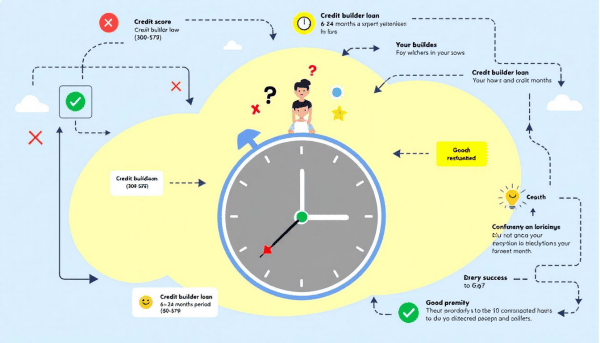
Credit builder loans are a powerful tool for those looking to establish or improve their credit without a credit card. These are installment loans specifically designed to help borrowers build a positive payment history that is reported to major credit bureaus. You make payments to a secure account and receive the funds after completing repayment of the loan.
Credit builder loans are typically easier to qualify for compared to traditional loans and are geared towards individuals with low or no credit. The amounts are usually small, ranging from $300 to $1,000, making it manageable to make regular payments without financial strain. These loans can significantly impact your credit score as long as you make timely payments, as the payments are reported to the major credit bureaus.
However, timely payments are crucial. Failure to do so can negatively affect your credit score, just like with any other loan. Successfully repaying a credit builder loan demonstrates your ability to manage debt responsibly, a significant factor in building a good credit history.
Report Rent Payments to Credit Bureaus
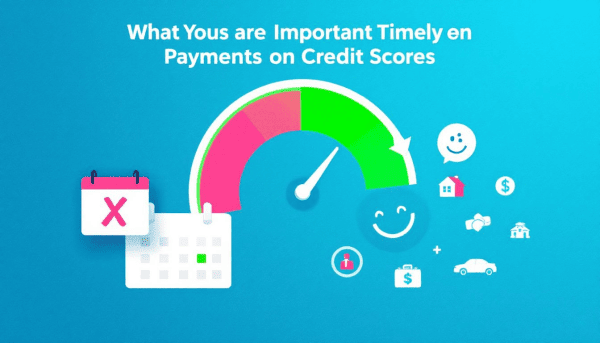
Another effective way to build credit without a credit card is to report your rent payments to credit bureaus. Rent payments, when reported, can enhance your credit history and potentially improve your credit score. This method showcases your timely payment behavior, which is a critical component of your credit profile.
Several rent-reporting services can help you report your rental payments to credit bureaus. For instance, programs like Fannie Mae’s Positive Rent Payment and services like Self allow tenants to report their rent payments, influencing their credit records. Some services even offer this at no cost, making it an accessible option for many. It’s also worth asking your landlord or property management to report your rent payments if they don’t already.
Ensuring your on-time rental payments are reported steadily improves your credit. Newer versions of the FICO scoring model consider rental payment history if it is included in credit reports, making this a valuable strategy for those looking to build credit without traditional credit cards.
Take Out Installment Loans
Taking out installment loans, such as personal loans or auto loans, can be another effective way to build credit. Installment loans are typically repaid through regular scheduled payments, which include both principal and interest. These loans demonstrate your ability to manage debt over time and can positively impact your credit score.
Secured installment loans, like auto loans, are backed by collateral, which can reduce the lender’s risk and potentially make it easier for you to obtain the loan. Consistent on-time payments on an installment loan reflect a strong payment history, a significant factor in your credit score.
Additionally, borrowers can negotiate different aspects of an installment loan, including the down payment and loan term length, to better fit their financial situation. Successfully managing installment loans showcases your reliability and financial responsibility, key elements in building and maintaining a good credit score.
Use Federal Student Loans Wisely
Federal student loans can be a strategic tool for building credit, especially since they do not require a credit history for approval. Consistent repayment of these loans significantly enhances your credit by demonstrating reliable payment behavior, a vital component of your credit score.
However, it’s important not to take out federal student loans solely for the purpose of building credit. The primary goal should be to fund your education, with credit building as a beneficial side effect. Timely payments on these loans reflect positively on your credit report and help establish a solid credit foundation.
Leverage Utility Payments for Credit Building
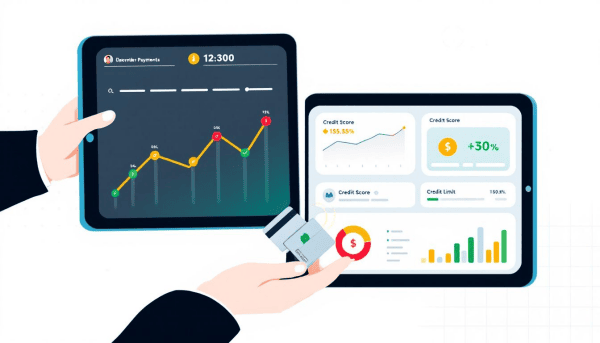
Utility payments are another often-overlooked method for building credit. Services like Experian Boost allow you to connect your bank accounts and include eligible utility payments, such as electricity, gas, water, and internet, in your credit history. This can provide an immediate increase in your FICO Score by showcasing your on-time payment behavior.
The advantage of services like Experian Boost is that only on-time payments are considered, so late payments won’t negatively impact your credit score. This makes it a risk-free way to enhance your credit profile using payments you are already making.
Monitor Your Credit Reports Regularly
Regularly monitoring your credit reports is a crucial step in your credit-building journey. Checking your credit report ensures the information is correct and allows you to dispute any inaccuracies. Keeping a close eye on your credit report helps uncover any errors or incomplete entries that could negatively impact your credit score, making credit reporting an essential practice.
If you find any inaccuracies in your credit report, it’s essential to dispute them to correct the information. Incorrect information can affect your payment history or credit utilization, ultimately impacting your credit score. Proactively managing your credit report helps maintain an accurate and positive credit history.
Practice Good Financial Habits
Good financial habits are fundamental to building and maintaining a good credit score. Here are some key practices to follow:
On-time payments: These are crucial as they constitute a significant portion of your credit score.
Automatic payments: Setting up automatic payments helps ensure bills are paid on time, preventing credit score damage.
Credit utilization: Keeping your credit utilization low, ideally under 30%, is vital for a healthy credit score.
By following these practices, you can effectively manage your credit and improve your financial health.
Keeping older credit accounts active contributes positively to the length of your credit history, benefiting your score. Avoid closing credit card accounts unnecessarily, as this reduces your overall available credit and increases your credit utilization ratio.
Lastly, frequent applications for new credit can signal financial instability, which may harm your credit score, so it’s best to apply for new credit sparingly.
Establish Banking Relationships
Establishing relationships with banks or credit unions provides essential tools for building credit. Opening accounts with these institutions can lead to access to secured loans, aiding in building credit. Many banks offer unique credit-building programs designed specifically for individuals without credit cards.
Credit unions typically offer loans at lower interest rates and impose fewer fees than traditional banks, making it easier to maintain consistent payment schedules and improve credit scores.
Establishing banking relationships enhances your ability to build credit over time and provides valuable resources for effective credit management.
Avoid Common Credit Mistakes
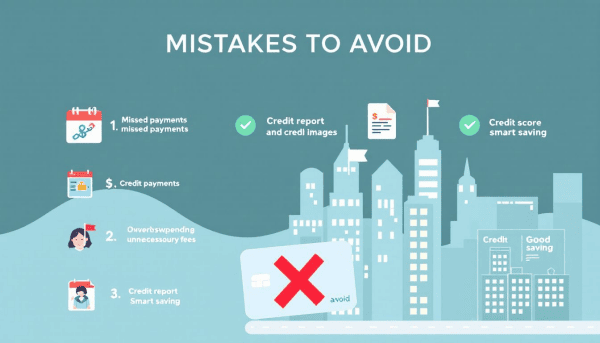
Avoiding common credit mistakes is essential for maintaining a good credit score. Defaulting on an installment loan can severely damage your credit score and result in the potential loss of collateral. Missing payments on a credit card will also harm your credit score. Using only minimum payments on credit accounts can increase your credit utilization and impact your score negatively.
Applying for several credit cards in a short time can result in multiple hard inquiries, which may lower your credit score. Failing to monitor your credit can lead to missing warning signs of issues that may harm your score. Steering clear of these pitfalls helps maintain a healthier credit profile.
Summary
Building credit without a credit card is not only possible but also manageable with the right strategies. By becoming an authorized user, utilizing credit builder loans, reporting rent and utility payments, and practicing good financial habits, you can establish and maintain a solid credit profile.
Remember, the journey to a good credit score is a marathon, not a sprint. Consistent effort and smart financial decisions will pay off in the long run. Start your credit-building journey today and watch your financial opportunities grow.
Frequently Asked Questions
Can I build credit without using a credit card?
Yes, you can build credit without a credit card by becoming an authorized user, using credit builder loans, and making timely rent and utility payments. Consistently practicing good financial habits will also contribute positively to your credit history.
What is a credit builder loan, and how does it work?
A credit builder loan helps you improve your credit score by allowing you to make payments into a secure account, with the funds released to you only after the loan is fully repaid. This process establishes a positive payment history, which is crucial for enhancing your credit profile.
How can reporting rent payments improve my credit score?
Reporting rent payments can effectively improve your credit score by demonstrating your consistent, on-time payment history. Utilizing rent-reporting services allows these payments to be recorded with credit bureaus, strengthening your credit profile.
What are some common credit mistakes to avoid?
To maintain a healthy credit score, avoid defaulting on loans, making late payments, and solely paying the minimum on credit cards. Regularly monitoring your credit reports and limiting applications for new credit cards can also prevent potential pitfalls.
How do utility payments affect my credit score?
Utility payments can enhance your credit score if they are reported through services like Experian Boost, as they reflect your reliable payment history. Making timely utility payments is beneficial for your creditworthiness.