
Mastering Credit Card Reward Programs and Credit Building
Want to earn rewards and build your credit with a credit card? This article explains how to choose the best credit card reward programs and credit building card and use it to improve your credit score. Learn about maximizing rewards, managing your credit, and avoiding common pitfalls.
Key Takeaways
Rewards credit cards offer various benefits such as cash back, points, or travel miles, which can be maximized by understanding personal spending habits.
Using rewards cards responsibly, including making on-time payments and managing credit utilization, helps build a positive credit history and improve credit scores.
Choosing the right rewards credit card involves analyzing spending patterns and reviewing credit scores to ensure alignment with financial goals and maximize benefits.
Understanding Credit Card Reward Programs

Rewards credit cards are designed to give you something back for every dollar you spend. They offer benefits like cash back, points, or travel miles, which can be redeemed in various ways. Some cards give you a consistent reward rate on all purchases, while others offer higher rewards for specific categories such as dining or groceries. Recognizing your spending habits helps you maximize the benefits of credit card rewards.
Once you earn these rewards, redemption options are plentiful. You can usually redeem points for checks, statement credits, merchandise, gift cards, or travel perks. The flexibility of these options allows you to tailor your rewards to fit your lifestyle. Be mindful of any limits on cashback in specific categories, as some cards cap the percentage earned after a certain spending amount.
Using a rewards card effectively requires financial discipline. Paying off your balance in full every month is vital to avoid interest charges that can quickly negate the value of your rewards. This approach allows you to enjoy your rewards card perks without accumulating debt.
Types of Rewards Credit Cards
Rewards credit cards come in various forms, each tailored to different spending habits and preferences. Travel rewards cards, for instance, typically offer points or miles that can be redeemed for travel expenses such as flights, hotels, and rental cars. These cards can be a great fit for frequent travelers, especially those who can take advantage of unique perks like free checked bags, priority boarding, or elite status with certain hotel chains.
On the other hand, cash back rewards provide straightforward returns on your purchases. These cards simplify the rewards process by allowing you to redeem your earnings as statement credits or direct deposits into your bank account. It’s a no-fuss way to get tangible benefits from your spending.
Selecting the appropriate type of rewards card is important. General-purpose travel cards offer flexibility, allowing you to redeem rewards without being tied to specific airline or hotel brands. Meanwhile, branded travel cards can offer greater value through loyalty programs and transfer options. Ultimately, knowing whether you prefer cash back, travel points, or miles will help you maximize your card’s benefits.
How Rewards Cards Can Help Build Credit

Rewards credit cards are more than just a way to earn perks; they can also be instrumental in rewards cards build credit and improving your credit score. Using these cards responsibly helps establish a positive credit history, essential for obtaining favorable loan terms and other financial opportunities. By making timely payments and keeping your spending under control, you can see a significant boost in your own credit card profile.
There are several key strategies for using rewards cards to build credit, which will be covered in the following subsections. These include making on-time payments, managing your credit utilization, and maintaining long-term account management. Each practice significantly enhances your credit score and ensures financial health.
On-time Payments
One of the most critical aspects of building credit with a rewards card is making on-time payments. Consistently paying your credit card bills by the due date prevents a dip in your credit scores and helps build a positive credit history. This practice is especially important for secured credit cards, often used to rebuild or establish credit.
Equally important is paying off your balances in full each month. This not only avoids interest charges but also ensures that your payment activity reflects positively on your credit report. Over time, this habit can lead to a better credit score and greater financial opportunities.
Managing Credit Utilization
Credit utilization, or the amount of credit you use compared to your credit limit, plays a significant role in your credit score. Financial experts recommend keeping your credit utilization ratio below 30% to maintain a healthy credit score. Spending up to your credit limit can negatively impact this ratio and, consequently, your credit score.
Effectively manage your credit utilization by keeping balances low and spreading expenses across multiple cards if necessary. This strategy not only helps improve your credit score but also ensures better financial health.
Long-term Account Management
Managing accounts long-term is crucial for a robust credit history. Keeping older accounts open can positively affect the length of your credit history, which is a significant factor in your credit score. Rewards credit cards often come with benefits that make it worthwhile to keep the account open, such as increased spending bonuses or travel perks.
However, if a card’s annual fee outweighs its benefits, it might be wise to consider downgrading to a card with no annual fees. This way, you can maintain the account’s credit line without incurring extra costs. In some cases, downgrading can also help increase your credit score, depending on the situation.
Choosing the Right Rewards Credit Card

Choosing the right rewards credit card maximizes benefits and avoids unnecessary spending. To begin with, identify your spending habits and look for a card that rewards frequent purchases in those categories. Whether you spend more on groceries, dining, or travel, there’s likely a card that can help you make the most of your spending.
Additionally, reviewing your credit score before applying for a rewards card is essential. Most rewards credit cards require a good credit score, typically above 670, to qualify. Understanding your credit standing increases your chances of approval and helps you choose a card aligning with your financial goals.
Analyze Spending Patterns
Recognizing your spending patterns is the initial step to maximizing rewards. Categorize your major expenses—such as groceries, dining, or travel—to identify the best rewards card for your needs. This approach ensures that your everyday purchases earn the highest possible returns.
Regularly reassessing your spending habits ensures your chosen rewards card continues to meet your needs. As your lifestyle and spending patterns change, so might your need for a different type of rewards card.
Check Credit Score
Reviewing your credit score before applying for a rewards credit card is crucial. This helps you understand your creditworthiness and determine which cards you are likely to qualify for. Many credit card companies offer pre-approval features that allow you to check your likelihood of approval without affecting your credit score.
You can check your credit score through various online services or directly from the three major credit bureaus. Being aware of your credit health ensures informed decisions when applying for new credit cards.
Comparing Rewards Credit Cards
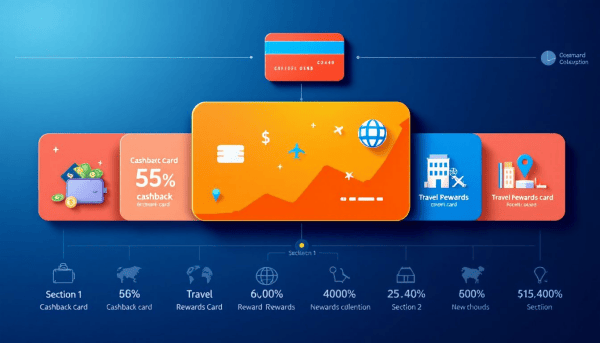
Comparing rewards credit cards helps find the best fit for your individual needs. Look for cards that align with your everyday spending habits to maximize your benefits. For example, if you spend a lot on travel, a card that offers higher rewards for travel purchases would be ideal.
Evaluating various rewards options ensures your preferred spending categories earn the most rewards. By carefully comparing the terms, rewards structures, and additional benefits of different cards, you can select one that provides the best overall value.
Avoiding Pitfalls with Rewards Cards
While rewards credit cards offer many benefits, they also come with potential pitfalls. One common mistake is carrying a balance, which can result in interest charges that outweigh the rewards earned. To prevent this, always pay off your balance in full each month.
Another pitfall is not monitoring your transactions, which can lead to unnoticed recurring charges or potential fraud from credit card purchases. Closing a credit card can also increase your credit utilization ratio, negatively impacting your credit score. Being aware of these risks helps you use rewards cards responsibly.
Secured Credit Cards for Building Credit

Secured credit cards are a valuable tool for building or rebuilding credit. These cards require a cash deposit that typically matches your credit limit, starting at a minimum of $200. Your credit activity with a secured credit card is reported to the major credit bureaus, which can help improve your credit history.
Unlike traditional credit cards, secured cards often have no minimum credit score requirement, making them accessible to individuals with poor or no credit history. Responsible use of a secured rewards credit card can enhance your credit profile similarly to standard credit cards.
Monitoring Your Credit Progress
Regularly monitoring your credit reports and scores is essential for maintaining financial health. Tools like CreditWise provide free access to your credit report and score, allowing you to track your credit progress over time. Being informed about your credit health allows you to quickly address any inaccuracies or issues.
You can also get free credit reports from the major credit bureaus. Regularly checking your credit reports helps maintain your credit profile and make informed financial decisions.
Maximizing Rewards Without Damaging Credit
Maximizing rewards without damaging your credit requires strategic spending and diligent financial management. Setting up automatic bill payments can help you avoid missing due dates, ensuring that you maintain a positive payment history. Paying off your balance in full each month avoids interest charges that can negate the value of your rewards.
Utilizing bonus categories effectively can significantly increase the rewards you earn on specific purchases. Consider transferring points to loyalty programs during promotional periods to maximize their value. Keeping balances low and tracking your credit score helps you understand how your financial behaviors impact creditworthiness.
Summary
In summary, mastering rewards credit cards requires understanding how they work, choosing the right card, and using it responsibly. By making on-time payments, managing your credit utilization, and monitoring your credit progress, you can build a strong credit profile while enjoying the perks of rewards programs.
Remember, the key to maximizing rewards without damaging your credit is to use your card wisely. Stay informed, stay disciplined, and enjoy the benefits that come with responsible credit card use. Embrace the journey towards financial health and rewards.
Frequently Asked Questions
Which are disadvantages of using credit cards that offer reward programs?
One major disadvantage of credit cards with reward programs is their high interest rates, which can erode the value of rewards if balances are not paid in full each month. It's crucial to weigh the cost of potential debt against the benefits of rewards.
How do rewards credit cards work?
Rewards credit cards provide benefits such as cash back, points, or travel miles for each dollar spent, allowing you to redeem these rewards through various options. This makes them an attractive choice for maximizing the value of your purchases.
Can using a rewards card help build my credit?
Yes, using a rewards credit card responsibly can help build your credit score through on-time payments and effective credit utilization.
What should I consider when choosing a rewards credit card?
When choosing a rewards credit card, prioritize your spending habits and ensure you review your credit score, as this will help you find a card that maximizes your benefits effectively. It's essential to compare different rewards options to select the one that aligns with your financial goals.
Are there any risks associated with using rewards credit cards?
Using rewards credit cards can pose risks, such as accumulating interest charges that may exceed the rewards earned and the potential for unnoticed fraudulent transactions if spending is not monitored. It's essential to manage your usage carefully to maximize benefits and minimize risks.