
Best Strategies for Building Credit with a Secured Card
Building credit with a secured card can be straightforward if you know how to use it correctly. A secured credit card functions similarly to a traditional credit card, requiring on-time payments and reporting to credit bureaus. This article will show you how to choose the right secured card, make your security deposit wisely, and use the card to boost your credit score. Follow these steps, and you’ll understand how to build a solid credit history.
Key Takeaways
Assess your financial situation and goals before choosing a secured credit card to ensure it aligns with your needs.
Select a secured credit card with no annual fees, competitive interest rates, and that reports to all major credit bureaus for optimal credit building.
Practice responsible credit habits, such as making on-time payments and maintaining low balances, to improve your credit score over time.
Getting Started with a Secured Credit Card
Getting started with a secured credit card is a straightforward process that can set you on the path to building a solid credit history. To begin, you’ll need to apply for a secured credit card through a credit card issuer. You can typically find secured credit card offers online or through a bank or credit union. When applying, you’ll need to provide personal and financial information, such as your name, address, income, and employment status.
Once you’re approved, the next step is making a security deposit. This deposit will determine your credit limit and acts as collateral for the credit card issuer. The security deposit is usually equal to the credit limit, and it’s refundable if you close your account or upgrade to an unsecured credit card in good standing.
After you’ve made your security deposit, you’ll receive your secured credit card in the mail. You can then use your card to make purchases, pay bills, and build credit. It’s essential to use your card responsibly and make on-time payments to build a positive credit history. By doing so, you’ll be well on your way to improving your credit score and qualifying for better financial opportunities in the future.
Assessing Your Financial Situation
Before considering secured credit cards, evaluate your financial situation. This assessment will help you determine whether a secured card is the right choice for you. Start by understanding your current credit score, or lack thereof. Knowing your credit score, even if not required for a secured card, can guide you toward the best options and help avoid rejections.
Assess your income, existing debts, and financial goals. Determine if you’re establishing credit from scratch or rebuilding after past financial issues. Your income will influence how much you can afford to deposit as collateral, typically ranging from $200 to $500. Be cautious about applying for multiple credit cards at the same time. Doing so can harm your credit score.
Review your credit report to identify areas needing improvement and set realistic expectations for your credit-building journey. Knowing your financial situation inside out is the first step towards responsible credit habits.
Choosing the Best Secured Credit Card
With your financial situation assessed, it’s time to choose the best secured credit card for your needs. Not all secured cards are the same, so compare various options. Credit card issuers evaluate your credit score when determining eligibility for new credit cards, so understanding your credit score is crucial. Look for cards with no annual fees to minimize costs. Watch out for additional fees like monthly maintenance charges, which can accumulate over time.
Interest rates on secured cards can be higher than those on unsecured cards. Select a card with competitive rates to avoid excessive interest payments. Ensure the card reports to all three major credit bureaus: Experian, TransUnion, and Equifax. This reporting is crucial for building your credit history and improving your credit score.
Lastly, consider the flexibility of the credit limit and the required deposit. Some secured cards offer higher credit limits with flexible deposit amounts, allowing you to choose a plan that best fits your budget and financial goals. Carefully select a secured credit card that aligns with your needs to set a strong foundation for building credit.
Making the Security Deposit
After choosing the best secured credit card, the next step is making the security deposit. This refundable deposit is a crucial aspect of secured credit cards as it guarantees your credit line and reduces the risk for the issuer. It acts as collateral, protecting the bank in case you miss payments.
The credit limit on your secured card will typically equal the amount of your security deposit. For instance, if you deposit $300, your credit limit will be $300. Most secured cards require a minimum deposit of $200, but some allow higher deposits for a higher credit limit.
This deposit demonstrates your commitment and ability to manage money responsibly, a pivotal step in building credit.
Using Your Secured Credit Card Responsibly
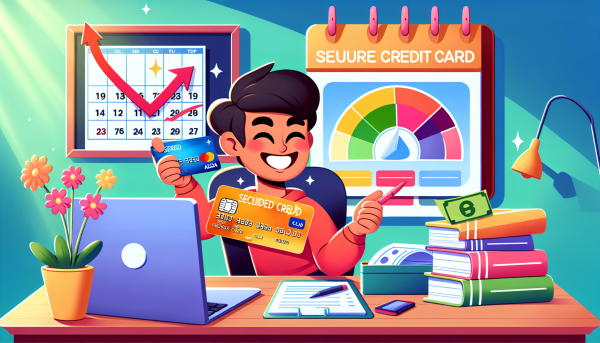
With your secured credit card in hand, the real work begins. Use the card responsibly to build a positive credit history and improve your credit score. Focus on making on-time payments, keeping balances low, and regularly monitoring your credit score.
Adhering to these habits demonstrates responsible credit use, paving the way for future financial opportunities.
Make On-Time Payments
One of the most critical aspects of building credit is making on-time payments. Your payment history significantly impacts your credit score, and missing a payment can have severe consequences. To avoid this, consider setting up automatic payments. This ensures your credit card bill is paid on time each month, helping you maintain a positive payment history.
Paying on time helps avoid late fees and shows creditors and lenders you can manage credit responsibly. Responsible behavior is crucial for building a solid credit history, benefiting future financial endeavors.
Keep Balances Low
Keeping your credit card balances low is another essential practice. High balances relative to your credit limit can negatively affect your credit score, as it increases your credit utilization ratio. Aim to keep your balances below 30% of your credit limit to maintain a healthy credit score.
Making only minimum payments can extend your debt and worsen your credit utilization rate. Strive to pay off your balance completely every month. This practice helps manage your finances better. This not only helps you avoid interest charges but also keeps your credit utilization low, thereby positively influencing your credit score.
Regularly Monitor Your Credit Score
Regularly monitoring your credit score is crucial for building credit. Tracking your score helps you monitor progress and identify potential errors on your credit report. Use free services offered by major credit bureaus to check your score periodically.
If you notice that your credit score isn’t improving despite responsible use, it may be worth reviewing your credit report for any inaccuracies or issues that need addressing. Regular monitoring ensures your credit scores-building efforts are on the right track.
Managing Multiple Credit Cards
Managing multiple credit cards can be challenging, but it’s essential to do so to maintain good credit health. If you have multiple secured credit cards, it’s crucial to keep track of each card’s payment due date, credit limit, and balance. Effective management of multiple credit cards can help you build a strong credit history and improve your credit scores.
To manage multiple credit cards effectively, consider the following tips:
Make a List: Create a list of all your credit cards, including the payment due date, credit limit, and balance for each card. This will help you stay organized and ensure you don’t miss any payments.
Set Up Automatic Payments: Setting up automatic payments for each card can help you avoid late payments and maintain a positive payment history. This is crucial for building and maintaining a good credit score.
Keep Credit Utilization Low: Aim to keep your credit utilization ratio low for each card by keeping your balance below 30% of the credit limit. High credit utilization can negatively impact your credit score.
Monitor Your Credit Scores: Regularly monitor your credit scores to track your progress and identify any potential issues. This can help you stay on top of your credit-building efforts and make necessary adjustments.
Consider Consolidation: If you have multiple cards with high balances, consider consolidating them into a single, lower-interest card. This can simplify your payments and potentially save you money on interest.
By following these tips, you can effectively manage multiple credit cards and build a strong credit history. Responsible management of your credit cards will pave the way for better financial opportunities and a healthier credit profile.
Transitioning to an Unsecured Credit Card

After demonstrating responsible use of your secured card, you may qualify to transition to an unsecured credit card. Many secured cards offer the option to upgrade to an unsecured version after consistent, responsible use. This upgrade typically comes with higher credit limits and better terms, such as lower interest rates and additional perks.
When transitioning, maintain your existing account to preserve your credit history. Closing your secured card can temporarily lower your credit score due to the impact on your credit utilization rate. Ensure your new unsecured card is approved before closing the secured one to avoid credit risks.
Unsecured credit cards often offer rewards programs, travel insurance, and purchase protection, making them a more attractive option as you continue your credit journey. Successfully transitioning to an unsecured card marks a significant milestone in your credit-building efforts.
How Long It Takes to Build Credit with a Secured Card
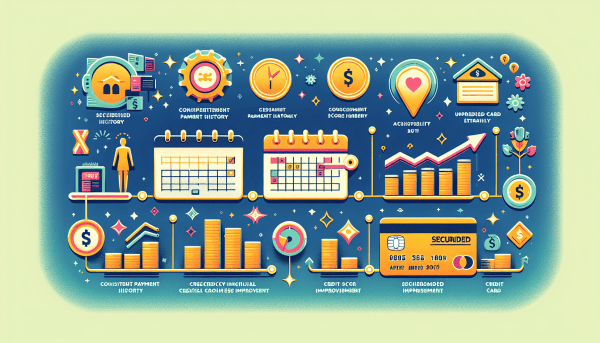
Building credit with a secured card takes time, but consistent and responsible use can yield improvements within a few months. Typically, it takes about 3 to 6 months to notice a positive change in your credit score. During this period, focus on on-time payments, keeping balances low, and regularly monitoring your credit score.
Responsible use of a secured credit card helps establish a positive credit history, crucial for future credit applications. By adhering to these practices, you can pave the way for better loan terms and interest rates in the future.
Common Mistakes to Avoid with Secured Credit Cards
While using a secured credit card, it’s crucial to avoid common mistakes that can hinder your credit-building efforts. Maxing out your card can hurt your credit score by increasing your credit utilization ratio. Aim to keep your balances low to maintain a healthy credit score.
Another common pitfall is missing payment due dates. Late payments can result in fees and negatively impact your credit score. Failing to read the card’s terms and conditions from your credit card issuer can lead to unexpected fees and charges.
Awareness of these pitfalls helps ensure your journey to building credit is smooth and successful.
Benefits of Building Credit with a Secured Card
Building credit with a secured card offers several benefits. For those with limited or poor credit history, secured cards are a viable option due to lower qualification standards. Responsible use of a secured card can improve your credit score, making it easier to qualify for loans and better credit cards in the future.
A positive credit history with a secured card prepares you for future financial opportunities, such as applying for an unsecured card or securing better loan terms. These benefits make secured credit cards an excellent tool for anyone looking to establish or rebuild their credit.
Summary
To sum it up, building credit with a secured credit card involves several essential steps: assessing your financial situation, choosing the right card, making the security deposit, and using the card responsibly. By making on-time payments, keeping balances low, and regularly monitoring your credit score, you can steadily improve your credit history and score.
Remember, the journey to building good credit is a marathon, not a sprint. Stay committed to responsible credit habits, and you’ll find yourself unlocking better financial opportunities in the future. Your secured credit card is just the beginning of a brighter credit journey.
Frequently Asked Questions
Do I need a credit score to apply for a secured credit card?
You don't need a credit score to apply for a secured credit card. These cards are designed for individuals looking to build or rebuild their credit history.
How long does it take to build credit with a secured card?
Building credit with a secured card usually takes about 3 to 6 months of responsible usage to see noticeable improvements in your credit score. Consistency and timely payments are key.
What happens to my security deposit?
Your security deposit is typically refundable if you switch to an unsecured card or close your account in good standing. Make sure to meet any account requirements to ensure its return.
Can I upgrade my secured credit card to an unsecured one?
Yes, you can often upgrade your secured credit card to an unsecured one after showing responsible usage, so it's a great way to improve your credit profile. Just keep an eye on your account and check with your issuer for specific requirements.
What are the benefits of using a secured credit card?
Using a secured credit card can significantly improve your credit score and help establish a positive credit history, paving the way for better financial opportunities in the future.