
Secured vs Unsecured Credit Cards: Which is Right for You?
Wondering whether to choose a secured or unsecured credit card? Secured cards need a cash deposit and help build credit. Unsecured cards don’t require a deposit and depend on your credit score. We’ll guide you through their differences, benefits, and picking the right one for you.
Key Takeaways
Secured credit cards require a cash deposit as collateral, making them accessible for individuals looking to build or rebuild their credit.
Unsecured credit cards, on the other hand, do not require a deposit and typically offer higher credit limits, rewards programs, and lower interest rates for those with good credit histories.
Choosing the right credit card involves assessing your financial situation, credit history, and comparing various offers based on interest rates, fees, and benefits.
Understanding Secured Credit Cards
Secured credit cards are a valuable tool for individuals looking to build or rebuild their credit. These cards are backed by a cash deposit, which serves as collateral for the credit line. This security deposit, often equal to the credit limit, provides a safety net for the card issuer and makes it easier for individuals with limited or poor credit scores to qualify.
People who are new to credit or have had credit issues in the past can benefit greatly from secured credit cards. Responsible use of these cards, like making on-time payments and keeping balances low, helps users gradually improve their credit scores and establish a positive credit history.
Secured credit cards offer an accessible and practical option for those looking to build or rebuild their credit.
How Secured Credit Cards Work
Opening a secured credit card requires a refundable security deposit, which acts as collateral. This deposit usually matches your credit limit, meaning if you deposit $500, your credit limit will also be $500. The application process for a secured credit card is quite similar to that of an unsecured card, involving the submission of personal information such as your name, birthdate, address, Social Security number, and income.
Wise use of a secured credit card includes setting up automatic monthly payments, maintaining a low balance, and regularly reviewing your statements. Timely payments are crucial, as failing to make payments can result in the forfeiture of your deposit and closure of the account.
Overall, secured credit cards help mitigate the risk for a credit card issuer while providing users with an opportunity to build or rebuild their credit.
Benefits of Secured Credit Cards
One of the primary benefits of secured credit cards is their accessibility. Unlike unsecured credit cards, which often require a good credit score, secured cards typically have easier qualification criteria. This makes them an ideal choice for individuals with limited or poor credit histories who are looking to establish or rebuild their credit.
Responsible use of a secured credit card can significantly improve your credit score over time. After consistently making on-time payments and maintaining a low balance, you may qualify to upgrade to an unsecured credit card, which often includes benefits like higher credit limits and rewards programs.
Understanding Unsecured Credit Cards
Unsecured credit cards are the most common type of credit card and do not require a security deposit. These cards are not backed by collateral, which means that the approval process relies heavily on your creditworthiness and payment history. Individuals with a good credit score and a solid track record of timely bill payments are more likely to qualify for unsecured credit cards.
These cards typically offer higher credit limits compared to secured cards, providing greater purchasing power and flexibility. Moreover, unsecured credit cards often come with numerous benefits such as rewards programs, lower interest rates, and various perks, making them an attractive option for individuals with established credit histories.
How Unsecured Credit Cards Work
The eligibility for unsecured credit cards largely depends on your creditworthiness, which is determined by your credit score and credit history. Card issuers assess your ability to manage credit responsibly by reviewing your payment history, current debt levels, and overall credit profile. The credit limit on an unsecured card is typically higher than that of a secured card, and it dictates the maximum amount you can borrow.
Responsible use of an unsecured credit card includes making a few small purchases monthly and paying off the bill in full by the due date to avoid interest charges. Unlike secured cards, unsecured credit cards do not require a security deposit, making them more accessible for those with good credit.
Additionally, some issuers use cash-flow underwriting, linking your bank account to review transactions as part of the risk assessment process.
Advantages of Unsecured Credit Cards
Unsecured credit cards come with several benefits that make them appealing to consumers. One of the most significant advantages is the higher credit limits they offer, which can enhance your purchasing power and improve your credit utilization ratio. Additionally, many unsecured credit cards feature attractive rewards programs, providing benefits like cash back, travel points, and discounts, which can add significant value to your everyday spending.
Unsecured credit cards also typically offer lower interest rates compared to secured cards. This can make unsecured cards more cost-effective for borrowers, especially if you carry a balance from month to month. Overall, the combination of higher credit limits, rewards programs, and lower interest rates makes unsecured credit cards a compelling option for those who qualify.
Key Differences Between Secured and Unsecured Credit Cards
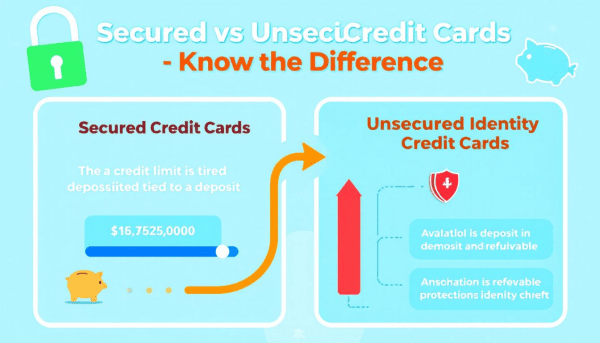
When choosing between secured and unsecured credit cards, understanding the key differences can significantly impact your financial decisions. The primary differences lie in the requirement of a security deposit, interest rates, fees, credit limits, and the availability of rewards and perks.
Each type of card has its own set of advantages and disadvantages, which we will explore in detail.
Interest Rates and Fees
Interest rates and fees are crucial factors to consider when comparing secured and unsecured credit cards. Unsecured credit cards typically feature lower interest rates compared to their secured counterparts, making them more cost-effective for users who carry a balance. In contrast, secured credit cards might have higher interest rates due to the perceived higher risk by the card issuer.
Furthermore, some unsecured credit cards charge fewer fees than secured options. The differences in interest rates and fees can significantly impact the overall cost of using these credit cards, making it essential to carefully evaluate these aspects when choosing a card.
Credit Limits and Deposits
Credit limits and deposit requirements are another major distinction between secured and unsecured credit cards. For secured credit cards, the credit limit is generally equivalent to the amount of the cash deposit made. This deposit acts as collateral and reduces the risk for the card issuer. In contrast, unsecured credit cards do not require any security deposit, and the credit limit is determined based on your creditworthiness and income.
The typical range of credit limits for secured credit cards is from $200 to $2,500, depending on the amount of the deposit. On the other hand, unsecured credit cards often provide higher credit limits, which can improve your credit utilization ratio and offer greater financial flexibility.
Recognizing these differences can guide you in choosing the right card for your financial situation and credit profile.
Rewards and Perks
One area where unsecured credit cards typically outshine secured cards is in the rewards and perks they offer. Unsecured credit cards often come with rewards programs that provide cash back, travel points, and other incentives for spending. These rewards can add significant value to your credit card usage.
In contrast, rewards programs are significantly rarer with secured credit cards, making unsecured cards more appealing in this aspect.
Building Credit with Secured vs. Unsecured Credit Cards
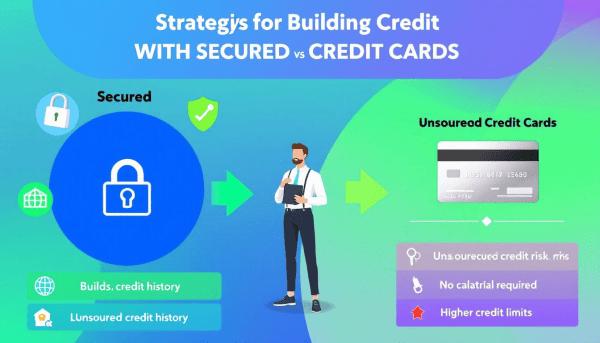
Both secured and unsecured credit cards can be effective tools for building credit, provided they are used responsibly. The most important factor in building your credit score is how you use the card and your overall credit profile, rather than the type of card you have. Both types of cards report to major credit bureaus, contributing to your credit history and helping improve your credit scores.
Using a new card responsibly, such as making on-time payments and keeping balances low, can lead to improvements in your credit score. Typically, about six months of responsible use of a secured card shows an improvement in your credit score. This gradual improvement can eventually allow you to upgrade to or apply for an unsecured card.
Strategies for Building Credit
To effectively build credit, it’s beneficial to:
Make regular small purchases with your credit card and pay off the balance promptly.
Pay bills in full and on time.
Keep your credit utilization below 30%.
This applies to both secured and unsecured credit cards, as responsible usage is key to improving your credit scores.
Indicators that you may be ready to upgrade from a secured card to an unsecured card include maintaining on-time payments for at least a year and observing an improvement in your credit score. Using a secured credit card responsibly over time can lead to increased credit limits without additional deposits, signaling readiness for an upgrade.
Monitoring Your Credit Score
Regularly monitoring your credit score is essential for tracking the impact of your credit card usage. Whether you use a secured or unsecured credit card, responsible usage and timely payments can significantly influence your credit score.
Monitoring your score helps you stay informed about your credit health and make necessary adjustments to your credit-building strategies.
Transitioning from a Secured to an Unsecured Credit Card
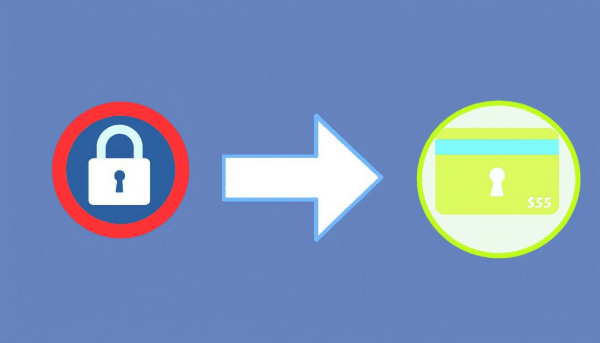
Transitioning from a secured to an unsecured credit card is a significant milestone in your credit journey. This transition can provide access to higher credit limits, better rewards programs, and lower interest rates.
Knowing when and how to make this transition is crucial for maximizing the benefits of your credit card usage.
When to Consider Upgrading
A significant improvement in your credit score is one of the primary indicators that you may be ready to upgrade from a secured to an unsecured credit card. Demonstrating responsible credit usage over several months, such as making on-time payments and keeping your credit utilization low, also suggests that it’s time for an upgrade. Additionally, providing proof of stable income can strengthen your application for an unsecured credit card.
Upgrading to an unsecured credit card can offer benefits like higher credit limits, which can improve your credit utilization and potentially your credit score. If you’ve consistently made on-time payments and kept your balances low, you’re likely in a good position to apply for an unsecured card.
Steps to Upgrade
Begin upgrading from a secured card to an unsecured card by evaluating your credit score to ensure it meets the lender’s requirements. Research different unsecured credit card options to find the best fit for your needs. Once you’ve found a suitable card, submit an application with all the required information.
After being approved for an unsecured card, continue to make timely payments to maintain a good credit history. Monitor your spending and keep track of your credit utilization to manage your finances effectively. This responsible behavior will help you maximize the benefits of your new unsecured credit card.
Choosing the Right Card for Your Needs
Choosing the right credit card involves understanding your financial needs and goals. Whether you opt for a secured or unsecured card depends on your credit profile and financial situation. Carefully assessing these factors can help you make a decision that aligns with your financial objectives.
Assessing Your Financial Situation
Assessing your individual financial situation and credit history is crucial when deciding between a secured and unsecured credit card. Understanding your credit profile, including your credit scores and credit reports, helps determine which card options you may qualify for. Additionally, evaluating your income, expenses, and existing debts is essential for making an informed decision about which type of credit card best fits your needs.
Considering these aspects will help identify whether a secured or unsecured credit card is the right choice for you. If you have a low credit score or no credit history, a secured card might be the more accessible option. Conversely, if you have an established credit history and a good credit score, an unsecured card with better rewards and higher credit limits might be more suitable.
Comparing Card Offers
Comparing credit card offers is essential for finding the best fit for your financial situation. Tools like Experian’s card comparison tool can help you evaluate various credit card offers based on factors such as interest rates, fees, and rewards programs. Analyzing these details can help you identify the most cost-effective and beneficial option for your needs.
When comparing credit cards, consider the annual fees, interest rates, and rewards programs associated with each card. For instance, some cards may offer cash back on combined purchases or travel points, which can add significant value. Thoroughly comparing these features helps you choose a card that aligns with your financial goals and maximizes your benefits.
Summary
Choosing between secured and unsecured credit cards is a pivotal decision that can impact your financial health. Secured credit cards are an excellent option for those with limited or poor credit histories, offering a way to build or rebuild credit through responsible usage. On the other hand, unsecured credit cards cater to individuals with established credit histories, providing higher credit limits, rewards programs, and lower interest rates.
Understanding the key differences, benefits, and strategies for using each type of card can empower you to make the best choice for your financial situation. Whether you start with a secured card and transition to an unsecured card or directly qualify for an unsecured card, using credit responsibly and monitoring your credit score will pave the way for a strong financial future.
Frequently Asked Questions
What is the main difference between secured and unsecured credit cards?
The main difference between secured and unsecured credit cards lies in the requirement of a security deposit; secured cards necessitate a deposit as collateral, whereas unsecured cards are granted based on your creditworthiness without any deposit.
Can I build credit with a secured credit card?
Yes, you can build credit with a secured credit card by making timely payments and maintaining low balances. This responsible usage positively impacts your credit score over time.
How do I know if I am ready to upgrade from a secured to an unsecured credit card?
You are likely ready to upgrade from a secured to an unsecured credit card if you have consistently made on-time payments, maintained a low credit utilization ratio, and observed a significant improvement in your credit score. These indicators reflect your responsible credit management.
Are there any benefits to choosing an unsecured credit card over a secured one?
Choosing an unsecured credit card can be more advantageous as it usually provides higher credit limits, rewards programs, and lower interest rates than a secured card, benefiting those with good credit.
What factors should I consider when choosing a credit card?
When selecting a credit card, it is essential to evaluate your financial needs, goals, credit profile, interest rates, fees, and rewards programs. Utilizing comparison tools can further assist in identifying the most suitable option for your circumstances.