
Do Apartments Hard Pull Credit? What You Need to Know
Applying for an apartment might impact your credit score. Do apartments hard pull credit during the application process? This article will tell you if landlords perform hard inquiries and how it affects your credit score. Read on to know what to expect.
Key Takeaways
Landlords conduct credit checks, primarily hard inquiries, to assess a tenant’s financial reliability and history, impacting rental decisions.
Hard credit inquiries can temporary lower your credit score by five to ten points and remain on your report for up to two years, but they only affect your score for one year.
Using soft credit checks and providing additional documentation, such as proof of income and rental references, can enhance your rental application without affecting your credit score.
Understanding Apartment Credit Checks

When you’re on the hunt for a new apartment, understanding how and why landlords perform credit checks is key. Landlords use these checks to evaluate a tenant’s payment history and financial reliability. The primary goal is to determine if the tenant will pay rent on time and manage their financial obligations responsibly.
A rental credit check allows landlords to assess overall financial responsibility, payment history, and credit health. Negative reports can lead to higher rents or needing to move further away from desired locations. Understanding this process helps you prepare and improves your chances of securing your desired apartment.
What Landlords Check
Landlords typically conduct credit checks to assess a tenant’s financial history. They look at various elements, including payment track records with credit cards and loans, eviction history, and outstanding debts. These factors help property managers gauge whether you are a reliable tenant who can meet rental obligations.
Landlords also check for issues like charge-offs or bankruptcies, which indicate higher risk. The primary purpose of these credit checks is to avoid renting to individuals who may default on payments, safeguarding the landlord’s financial interests.
Types of Credit Inquiries
Credit inquiries come in two types. These types are hard inquiries and soft inquiries. Hard inquiries typically occur when landlords check credit to assess a tenant’s financial reliability during rental applications. These can impact your credit score and remain on your credit report for up to two years.
Soft inquiries are different from hard inquiries. They do not impact your credit score. They are often used for background checks and by potential employers. Knowing the difference between these inquiries is essential, as only hard inquiries impact your credit score. A soft inquiry does not affect your credit score.
Do Apartments Perform Hard Credit Pulls?

When applying for an apartment, you might wonder whether landlords perform hard credit pulls. Typically, landlords conduct these credit checks to evaluate a potential tenant’s financial reliability. They use hard inquiries to assess creditworthiness, which can influence their rental decisions.
The tenant screening report often includes information on public record filings, bankruptcies, evictions, and income. This knowledge can help you anticipate what landlords seek and prepare accordingly.
Hard Inquiry Explanation
A hard inquiry is a credit check made when applying for new credit or a major financial commitment. These inquiries require explicit permission from the tenant before being performed. Landlords may perform either hard or soft credit checks when assessing rental applications.
Hard inquiries are recorded on your credit report and can lead to a small drop in your credit score. The effect on your score depends on whether the check is hard or soft and how many inquiries are made within a short period. These inquiries remain on your report for two years.
Common Practices Among Landlords
Landlords often prefer hard inquiries as they provide a more comprehensive view of a tenant’s financial responsibility. These inquiries help ensure that tenants will pay rent on time and manage their finances responsibly. Landlords must ask tenants to sign a credit screening document before running a hard inquiry.
Some landlords use soft inquiries for pre-approval options because they do not affect the applicant’s credit score. This approach can encourage more applicants as it avoids lowering their scores.
These practices can help you negotiate with landlords and protect your credit score.
The Impact of Hard Credit Inquiries

Hard credit inquiries can slightly reduce your credit score. Typically, they result in a temporary drop of around five to ten points. While this impact is usually short-lived, it can influence how lenders view your creditworthiness.
Hard inquiries remain on your credit report for up to two years but only affect your FICO score for 12 months. This information can help you manage credit applications and mitigate potential impacts on your score.
Short-Term Effects
In the short term, a hard credit inquiry generally leads to a decrease in credit scores by about five to ten points. The impact may vary, especially if multiple inquiries are made within a short period, raising concerns for lenders. New credit inquiries account for about 10% of your FICO score, potentially influencing your overall score.
Knowing these effects allows you to plan your credit applications more strategically.
Long-Term Effects
Over the long term, hard inquiries remain on your credit report for up to two years but only impact your score for one year. The presence of these inquiries signals potential financial risk to lenders but does not continue to affect your score after 12 months.
Even if your apartment application is denied, the inquiry won’t lower your score further. This understanding helps you navigate the credit check process with more confidence.
Managing Multiple Credit Inquiries
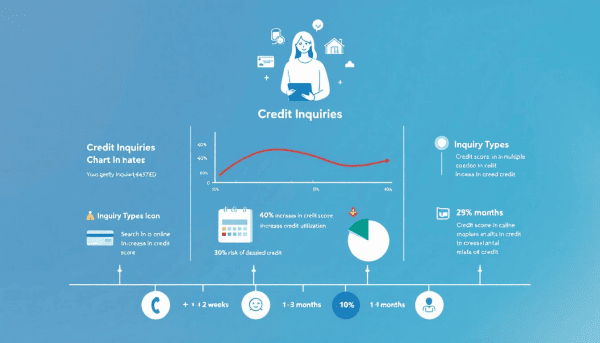
Applying for multiple apartments can cause a small, temporary drop in your credit score due to multiple hard inquiries. To manage this, various strategies can be employed, such as checking your credit score and reports to be prepared.
Be selective about the apartments you apply for to avoid multiple hard pulls on your credit. Ask landlords about the type of inquiry they will perform to understand its potential impact.
Rate Shopping Window
FICO scoring models typically allow a 45-day window for multiple inquiries to be treated as one. Credit scoring models like FICO and VantageScore address the treatment of multiple hard inquiries within this specific time frame. This can help minimize the impact on your credit score during an apartment search.
Selective Applications
Choosing rental applications carefully based on your personal credit standing can prevent excessive hard inquiries. Applying selectively to top rental choices can help manage hard pulls on your credit report.
Additionally, requesting a pre-approval option helps narrow down the apartment search without affecting your credit score. Implementing selective application strategies helps protect your credit score during the rental process.
Alternatives to Hard Credit Inquiries
Many rental credit checks are classified as soft inquiries, which do not influence the tenant’s credit score. Soft credit inquiries serve primarily as background checks and are a less invasive option for both tenants and landlords.
Providing additional documentation can also be an alternative to hard credit inquiries. Offering proof of income, bank statements, and rental references demonstrates financial stability to landlords without a hard pull on your credit report.
Soft Credit Checks
Soft credit checks can be used by landlords to determine an applicant’s eligibility without affecting their credit standing. Tenants must give permission for a landlord to conduct a soft credit inquiry. These inquiries are typically requested by applicants or potential employers and landlords.
Soft credit checks provide a way for landlords to assess financial reliability without impacting the tenant’s credit score. This approach benefits both parties, ensuring a thorough evaluation without negative repercussions on credit reports and soft credit check results.
Providing Additional Documentation
Providing proof of income can demonstrate your financial stability to a landlord. Submitting bank statements can offer a clear picture of your financial habits and availability of funds.
Including rental references can provide insights into your reliability as a tenant from previous landlords. These forms of documentation can enhance your application by providing additional proof of your reliability as a tenant.
Preparing Your Credit for Rental Applications
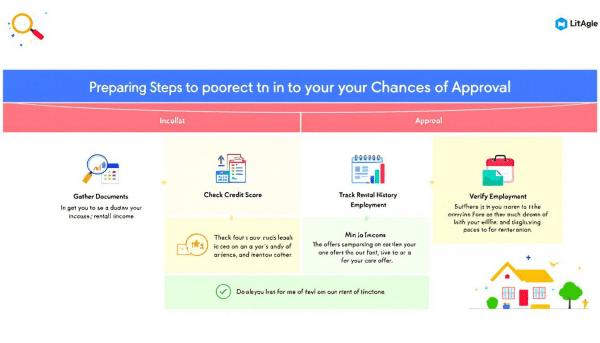
Preparing your credit score at least three months in advance can significantly enhance your chances of approval. Understanding the contents of your credit report before applying allows you to address any potential issues proactively.
Supplementing applications with letters of recommendation from previous landlords can enhance a tenant’s rental application. Being specific about which apartments to apply for can greatly reduce the number of credit checks.
Checking Your Own Credit Report
Monitoring your credit report is crucial to catch errors or inaccuracies that may lower your credit score. Fixing errors in your credit report can increase your chances of being approved for an apartment under the Fair Credit Reporting Act.
You can obtain a free copy of your credit report. This is available from each of the three major credit bureaus. If you find inaccuracies in your credit report, you can dispute the errors with the credit bureaus. Reviewing your credit report in advance before applying for an apartment is advisable.
Improving Financial Habits
Timely payments are the most important factor for credit scores. Debt utilization refers to the percentage of available credit being used. To improve credit utilization, pay down credit card balances and keep them below 30%.
Establishing good financial habits, such as making on-time payments and managing financial obligations responsibly, can significantly boost your own credit score.
Key Takeaways
A high credit score significantly increases your chances of being approved for an apartment lease. A higher credit score can lead to better lease terms, lower security deposits, and more favorable negotiation flexibility from landlords. However, many landlords may require a minimum credit score to qualify for a lease.
Disputing inaccuracies found in your credit report can lead to an increase in your credit score, which is crucial for rental applications.
Summary
Understanding apartment credit checks and their impact on your credit score is essential. By knowing what landlords look for and preparing your credit in advance, you can increase your chances of securing your desired apartment. Always be proactive in managing your credit and use the strategies provided to protect your score during the rental application process. Take control of your financial future and make your next apartment search a successful one.
Frequently Asked Questions
Do all landlords perform hard credit inquiries?
Not all landlords perform hard credit inquiries; many use soft inquiries that do not affect your credit score. It's essential to confirm their process before applying.
How much can a hard inquiry affect my credit score?
A hard inquiry can typically lower your credit score by around 1 to 5 points, with a maximum potential reduction of up to 10 points. Therefore, while it's good to be cautious, the impact is usually minimal and temporary.
How long do hard inquiries stay on my credit report?
Hard inquiries stay on your credit report for two years but impact your FICO score for only 12 months. It's essential to monitor your credit within that timeframe.
Can I provide additional documentation to avoid a hard credit inquiry?
Yes, submitting additional documentation like proof of income, bank statements, and rental references can strengthen your case and potentially help avoid a hard credit inquiry. This demonstrates your financial stability and may alleviate concerns for landlords.
What is the rate shopping window for multiple credit inquiries?
The rate shopping window for multiple credit inquiries is typically 45 days, during which they are treated as a single inquiry to minimize their impact on your credit score.