
Effective Tips on How to Pass a Rental Credit Check
Wondering how to pass a rental credit check? This article offers straightforward steps to prepare your credit and enhance your rental application. Discover what landlords check and how to boost your approval chances.
Key Takeaways
Landlords conduct rental credit checks to assess financial responsibility and minimize risk, using credit scores to gauge the likelihood of timely rent payments.
Preparing for a rental application includes improving your credit score through debt reduction, limiting credit inquiries, and ensuring the accuracy of your credit report.
Addressing potential red flags and providing additional documentation can enhance your rental application, especially when renting with bad credit.
Understanding Why Landlords Conduct Rental Credit Checks
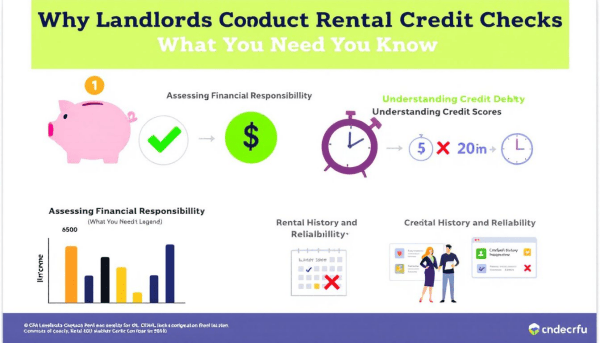
Landlords conduct rental credit checks to minimize risk and ensure they lease to tenants who are likely to pay rent consistently. A credit check provides a snapshot of a potential tenant’s financial responsibility, showcasing their ability to manage and repay debts. This helps landlords avoid the pitfalls of missed rent payments and potential property damage, ensuring a stable rental income.
Credit scores are a key indicator used in these checks. A high credit score suggests a favorable income-to-debt ratio and a history of on-time payments, making such tenants more attractive to landlords. Conversely, a poor credit history, marked by frequent late payments or high debt levels, raises red flags and may lead to an application rejection.
Landlords also perform background checks to protect their properties and other tenants. By screening for criminal history and verifying rental history, they can ensure a safer and more secure living environment. This comprehensive approach to tenant screening helps landlords make informed decisions, ultimately benefiting both parties.
Key Information Included in a Tenant Credit Report
A tenant credit report encompasses a range of details that illustrate a prospective tenant’s financial reliability. Personal details such as name, date of birth, and social security number are verified to ensure the identity of the applicant. Beyond personal information, the report delves into the tenant’s credit accounts, detailing types of loans, credit limits, and payment records.
Public records, including bankruptcies and civil judgments, are also part of the tenant credit report. These records can significantly impact a landlord’s decision, as they indicate past financial struggles. The credit report highlights credit scores, payment history, and any outstanding debts, offering a comprehensive view of the tenant’s financial behavior.
Examining these details allows landlords to assess a tenant’s likelihood of making timely rent payments and managing financial obligations responsibly. This helps landlords screen potential tenants effectively, ensuring they select individuals who will contribute positively to their rental community and work with property management companies.
Preparing Your Credit for a Rental Application

Preparing your credit for a rental application involves several proactive steps to ensure your credit report reflects your financial responsibility. Start by paying down significant credit card debt, which can boost your credit score and demonstrate your ability to manage credit wisely. Aim to begin this process at least three months before you plan to apply for a rental.
Limit new credit inquiries during this period to avoid potential decreases in your credit score due to hard inquiries. Additionally, review your credit report for inaccuracies and dispute any errors that could negatively impact your score. Tools like Experian Boost can help incorporate on-time utility payments into your credit report, potentially raising your score.
Taking these steps helps present a stronger financial profile to prospective landlords, thereby increasing your chances of passing the rental credit check and securing the desired rental property.
Strategies for Renting with Bad Credit

Renting with bad credit can be challenging, but several strategies can help you overcome this hurdle. One effective approach is to find a guarantor or co-signer. This person agrees to cover the rent if you are unable to, providing landlords with additional reassurance regarding payment reliability. Having a co-signer can significantly reduce the landlord’s risk and increase your chances of lease approval.
Offering additional documentation, such as proof of income or a detailed rental history, can also strengthen your application. Explaining the circumstances that led to your credit issues and how you have addressed them can help alleviate landlords’ concerns. Demonstrating your commitment to meeting rental obligations by offering a larger security deposit or prepaying several months’ rent can further convince landlords of your financial stability.
Persistence is key. In case of rejection, seek assistance from local housing groups or credit counselors for tailored advice and continue searching for flexible landlords who might consider your application despite credit challenges.
Ensuring Accurate Information on Your Credit Report
Accuracy of your credit report is crucial for a rental application. Begin by obtaining free credit reports from Equifax, Experian, and TransUnion, the three major credit bureaus. Reviewing these reports allows you to spot and correct any inaccuracies that could hinder your rental application.
Look out for common errors such as incorrect personal details, outdated account information, and inaccurate records of missed payments or loan balances. Dispute any discrepancies with the respective credit bureaus to enhance your credit report and increase rental approval chances.
How Employment Verification Affects Your Rental Application
Employment verification is a critical aspect of the rental application process, as it confirms a tenant’s income and financial reliability. Landlords often require proof of income to ensure that tenants can consistently pay rent. Providing recent pay stubs, tax returns, or a statement from an accountant can enhance the accuracy of your income verification and strengthen your application.
Clear communication and prompt response to landlords’ requests can positively influence their decision. Highlighting steady employment can mitigate concerns about financial stability arising from frequent job changes.
The Role of Soft Inquiries in Rental Credit Checks
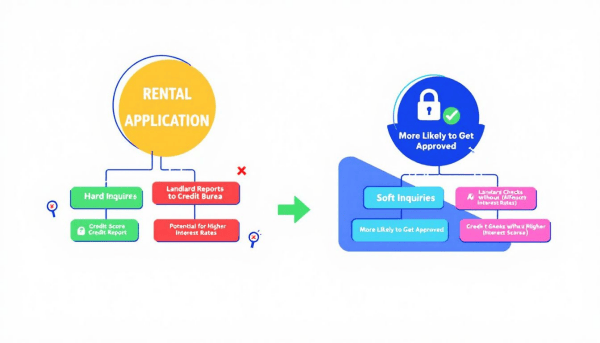
Soft inquiries do not impact your credit score, making them preferable for rental applications. Unlike hard inquiries, which can lower your score, soft inquiries provide landlords with necessary information without affecting your credit standing. This is especially beneficial for tenants applying to multiple rental properties.
Most landlords use soft inquiries for rental credit checks to assess a tenant’s credit history and payment behavior without negatively impacting their credit score. This approach helps maintain a positive landlord-tenant relationship from the outset.
Addressing Common Red Flags in Credit Reports
Certain red flags in credit reports can raise concerns for landlords, potentially jeopardizing your rental application. Frequent late bill payments can suggest a risk of late rent payments, which is significant for landlords. High levels of debt can also be a concern, as they may hinder your ability to make rent payments.
Address these red flags by explaining the circumstances that led to them and demonstrating how you have resolved or are managing these issues. This can reassure landlords of your financial responsibility.
Utilizing Tenant Screening Services
Tenant screening services provide landlords with a comprehensive view of a prospective tenant’s financial and rental history, typically including credit reports, eviction history, and criminal background checks. This offers valuable insights into a tenant’s reliability. Common providers of these services are major credit bureaus like Equifax, Experian, and TransUnion.
Landlords can decide whether the tenant or landlord pays for the screening service, with results typically available within minutes to an hour after approval. Platforms like Zillow and e-renter.com also offer tenant screening services, helping landlords assess whether applicants meet their credit requirements.
Legal Considerations and Tenant Rights
Understanding tenant rights is crucial during a rental credit check. Landlords must provide an adverse action notice if they deny a rental application based on a credit report. This notice must include the reasons for rejection and inform the applicant of their right to obtain a copy of the credit report used.
The Fair Credit Reporting Act mandates that landlords inform applicants of rejection reasons and outline compliance with anti-discrimination laws. This ensures transparency and fairness in the tenant screening process, protecting tenants from discrimination based on non-creditworthiness factors.
Using soft credit checks for credit checks fosters a more positive landlord-tenant relationship from the outset, as they do not impact the tenant’s credit score and require permission.
What to Do If You Are Rejected
If your rental application is rejected, several steps can improve your chances for future applications. Begin by improving your credit score through reducing outstanding debt and establishing a pattern of timely payments. This can help strengthen your financial profile and increase your chances of approval.
Consider exploring alternative housing options like subletting or rent-to-own arrangements if traditional rentals are difficult to secure. Negotiating with smaller independent landlords may also yield more flexible arrangements regarding credit checks.
Additional Tips for a Successful Rental Application
Include references from previous landlords to demonstrate reliability, and maintain a well-documented savings account to showcase financial stability to prospective landlords and a financial institution, along with your previous rental payment history.
Providing additional documentation like proof of income or recommendation letters can further strengthen your application, helping landlords assess your financial reliability and overall fit for their property.
Summary
Navigating the rental application process can be challenging, but understanding the importance of a rental credit check and preparing your credit can significantly improve your chances of success. By addressing any red flags, providing thorough documentation, and knowing your rights, you can present yourself as a responsible and reliable tenant.
Remember, persistence and preparation are key. With the right strategies and mindset, you can overcome credit challenges and secure the rental property you desire.
Frequently Asked Questions
Why do landlords conduct rental credit checks?
Landlords conduct rental credit checks to mitigate risk by verifying tenants' financial responsibility and ability to pay rent on time. This process helps ensure a more stable rental arrangement.
What information is included in a tenant credit report?
A tenant credit report includes personal details, credit accounts, public records, credit scores, payment history, and outstanding debts, providing a comprehensive overview of the tenant's financial reliability. This information is vital for landlords to assess the risk associated with potential tenants.
How can I improve my credit before applying for a rental?
To improve your credit before applying for a rental, focus on paying down existing debt, disputing any inaccuracies on your credit report, and limiting new credit inquiries. Utilizing tools like Experian Boost can also help raise your credit score effectively.
What should I do if my rental application is rejected?
If your rental application is rejected, focus on improving your credit score and explore alternative housing options while considering negotiations with smaller landlords for more flexibility. By taking these steps, you can enhance your chances of securing future rental opportunities.
What are tenant rights regarding credit checks?
Tenants are entitled to an adverse action notice if their application is denied due to a credit report, and landlords are legally obligated to adhere to anti-discrimination laws while providing clear reasons for any rejection.