
Best Tips on How to Negotiate Rent and Save Money
Want to pay less rent? Knowing how to negotiate rent can save you money. This guide offers step-by-step strategies, from understanding your rights to market research and suggesting lease terms. Get ready to negotiate effectively and secure a better deal on your rent.
Key Takeaways
Understand your tenant rights and local laws to strengthen your negotiating power and avoid future conflicts.
Research the rental market to set a fair benchmark for your negotiations and utilize data to advocate for lower rent.
Negotiate at the right time, such as 45 to 60 days before your lease ends, to leverage landlords’ preferences for keeping existing tenants.
Know Your Rights as a Tenant
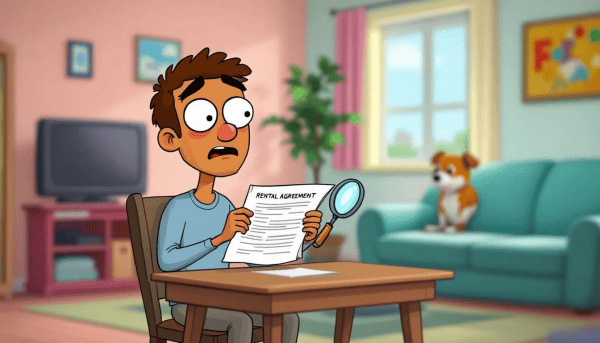
Before starting rent negotiations, understanding your rights as a tenant is essential. Local laws and tenant protections can significantly strengthen your negotiating position. For example, in rent-stabilized apartments, landlords must adhere to specific regulations governing rent increases and tenant protections. This knowledge can empower you to negotiate more confidently and effectively.
Local tenant laws will inform you on permissible rent increases and your protections as a new tenant. Awareness of these laws helps you avoid pitfalls and provides leverage during negotiations. Landlords are more likely to agree to favorable terms when they know you’re informed about your rights.
Understanding your rights prevents future conflicts. Knowing your landlord’s limitations puts you in a better position to negotiate terms like lease renewal or rent reductions. This knowledge is especially important in areas with rent control or rent stabilization laws, where annual rent increases are often limited by state or local regulations.
Research the Rental Market

A solid grasp of the current rental market is key to effective negotiation. Begin by researching the average monthly rent prices in your area. For instance, the average rent price in the United States recently reached $1,628 per month, with significant variations depending on the city. These numbers, including the median rent and rental costs, will help you gauge the fairness of your current rent and provide a benchmark for negotiations.
Use rental platforms like Zillow to review rental-price histories, median rents, and vacancy rates. This data offers insights into rental trends and supply-demand dynamics in your area. For example, states like Kansas and Virginia have seen significant rent hikes recently, while others like Oklahoma and Arkansas have some of the lowest rental prices. This information can be a powerful tool in your negotiation arsenal.
Consider the condition of rental units and their amenities in addition to rent prices. Comparing similar properties provides a clearer picture of reasonable rent. If your current rent is higher rent than the market rate for comparable units, you have a strong case for a rent reduction.
Start Early
Negotiating rent at the right time is crucial. The timing can greatly impact the outcome. Here are some key points to consider:
Start negotiations early to have ample time to discuss terms and reach a beneficial agreement.
Begin negotiations 45 to 60 days before your lease expires.
This timing allows for discussion without the pressure of an imminent move-out date.
Negotiating during off-peak seasons, like winter months, can work in your favor because:
The rental market slows down during these times, giving you more leverage.
Landlords may prefer negotiating terms over having their property sit vacant during the slow season.
This is especially true if you’ve been a good tenant who pays rent on time and takes care of the property.
Approaching negotiations with respect and preparation is key. Consider the following tips:
Practice your negotiation skills.
Understand factors like the rental’s condition and market trends.
Maintain a positive tone.
Avoid making demands.
Seek common ground to lead to successful outcomes.
Highlight Your Strengths as a Tenant

Highlighting your strengths as a tenant is an effective way to negotiate rent. Being a reliable and responsible good renter makes you more appealing to landlords. Proof of a stable job and a history of on-time rent payments can enhance your negotiating position, especially if you are considered one of the good tenants.
Mention a good credit score during negotiations. Landlords value financially responsible tenants, and a good credit score indicates this. Offering to set up automatic rent payments from your bank account can further reassure landlords.
References from previous landlords are also powerful negotiation tools. These include:
Evidence of past rent payments
References that prove your reliability
Documentation and sharing of any extra efforts in maintaining the property to strengthen your case.
Offer Something in Return
Offering something in return can effectively negotiate rent. The goal is to offer landlords something valuable in exchange for a rent reduction to reduce rent. Offering to take on caretaking tasks or perform minor repairs can be effective, especially in small buildings or single-family rentals, saving money.
Free labor isn’t the only option. You might offer to pay rent several months in advance or agree to a longer lease term. Providing value to the landlord makes it easier for them to justify reducing your rent. Identify what the landlord values and offer it for a better deal.
Suggest a Longer Lease

Signing a longer lease extension can benefit both you and your landlord. A longer lease provides stability for the landlord, reducing tenant turnover and associated costs. This stability is appealing to landlords, making them more inclined to negotiate rent reductions. A sign of a good agreement is when both parties feel satisfied.
Proposing a lease term of a one year lease or even a second year can secure a lower rental price. This provides landlords peace of mind and saves them the time and effort of renting new tenants in the past year. This strategy offers mutual benefits and can lead to significant rent savings from rented leases.
Propose Paying Rent Upfront
Proposing to pay rent upfront is another effective strategy. Benefits include:
Demonstrates financial stability by paying several months’ rent in advance
Assures landlords of consistent payments
Advantageous if you have a low credit score, as it tangibly demonstrates your reliability by being paid in advance.
Landlords may offer discounts or lower rent in exchange for upfront cash payments. This benefits both parties: you get reduced rent, and the landlord gains financial security and reduced vacancy risks.
Negotiate for Additional Perks
If a rent reduction isn’t possible, consider asking for additional perks. You could negotiate for waived pet fees, a free parking space, or upgraded amenities. These perks provide substantial savings and save money improve your living experience.
Landlords may be more flexible with non-monetary requests, especially if they reduce vacancy risks or simplify rent collection. Broadening your negotiation to include other perks, such as extra space, can still get you a better deal, even if a rent reduction or lower rents isn’t possible.
Timing Your Negotiation
Timing is crucial in rent negotiations. Starting the process 45 to 60 days before your lease ends can significantly impact the outcome. This period is optimal because landlords prefer keeping existing tenants over the hassle of finding new ones.
The rental market slows down during winter, making it a strategic time for negotiations. With fewer renters competing, landlords may be more willing to negotiate and offer lower prices. Understanding these timing strategies can give you greater bargaining power and improve your chances of a better deal.
Get All Agreements in Writing
Once you’ve negotiated your rent, get all agreements in writing. A written document of all negotiated terms prevents misunderstandings and disputes. This record protects both you and the landlord, ensuring clarity on the agreement terms.
Review the lease thoroughly before signing to ensure all negotiated points are accurately reflected in the signed document. A formal lease outlines rights and responsibilities and fulfills legal requirements, providing a clear understanding of rental terms. This step is crucial for maintaining a professional and trustworthy relationship with your landlord. If you have any concerns, do not hesitate to make a request for clarification regarding the current lease or the new lease.
How to Handle Low Credit Scores
A low credit score doesn’t mean you can’t negotiate rent. Several strategies can alleviate landlord concerns. Offering a higher security deposit or paying two months’ rent in advance demonstrates financial responsibility.
Another approach is to arrange for a cosigner with a high credit score. This assures landlords of your reliability. Providing references from previous landlords and proof of stable income can strengthen your rental application despite a low credit score.
Dealing with Rent-Stabilized Units

Negotiating rent in rent-stabilized units is challenging but possible. Understanding your legal protections and rent increase limitations is crucial for each unit. This knowledge helps you navigate negotiations more effectively.
Landlords can’t retaliate against tenants for exercising legal rights, like requesting repairs or joining tenant organizations. Knowing these protections gives you the confidence to negotiate terms like lease renewal or rent reductions without fear.
In some states, tenants can seek civil penalties if landlords retaliate unlawfully.
Summary
In summary, negotiating rent is a powerful tool that can lead to substantial savings and a better living situation. By knowing your rights as a tenant, researching the rental market, and starting negotiations early, you can significantly improve your chances of success. Highlighting your strengths as a tenant and offering something in return can further strengthen your negotiating position.
Remember to get all agreements in writing to avoid future disputes and consider timing your negotiations strategically. Even if you have a low credit score or are dealing with rent-stabilized units, there are still effective strategies you can employ. Armed with these tips, you’re now ready to negotiate your rent confidently and secure a deal that works for you.
Frequently Asked Questions
Can I negotiate rent if I have a low credit score?
Absolutely, you can negotiate rent even with a low credit score! Consider offering a higher security deposit, paying a few months' rent upfront, or bringing in a cosigner to boost the landlord's confidence in you.
When is the best time to start rent negotiations?
The best time to start rent negotiations is 45 to 60 days before your lease expires, especially during off-peak seasons like winter for added leverage. By preparing in advance, you can position yourself for the best possible outcome!
How can I demonstrate my reliability as a tenant?
To demonstrate your reliability as a tenant, showcase proof of steady employment, consistently timely rent payments, a solid credit score, and references from past landlords. This will build trust and set you apart as a dependable choice!
Can I negotiate rent for a rent-stabilized unit?
Absolutely, you can negotiate rent for a rent-stabilized unit! With a clear understanding of your legal protections, you're empowered to successfully engage in this process.
What should I do if my landlord refuses to negotiate rent?
If your landlord refuses to negotiate rent, focus on securing additional perks, such as waived fees or upgraded amenities. This approach can still enhance your living experience and provide value!