
Hard Inquiries vs Soft Inquiries: Key Differences & Their Impact on Your Credit Score
Hard inquiries vs soft inquiries have different impacts on your credit score. Hard inquiries can lower your score, while soft inquiries do not. This article explains how each type of inquiry works and how they affect your credit score.
Key Takeaways
Credit inquiries are classified into hard and soft inquiries, with only hard inquiries impacting your credit score.
Understanding the effects of hard inquiries is crucial, as they can linger on your report for two years and affect your score significantly in the first year.
To maintain a healthy credit profile, manage inquiries wisely by spacing out applications and monitoring your credit report for unauthorized checks.
Understanding Credit Inquiries
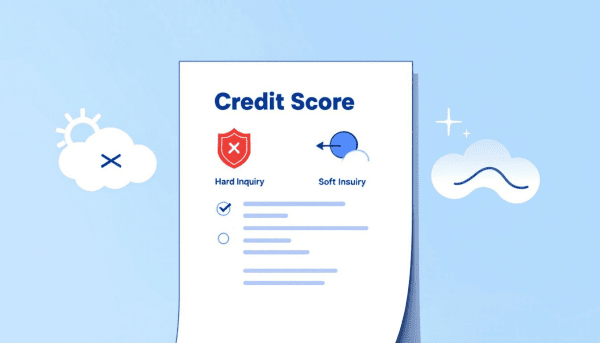
Credit inquiries, assessed by lenders, landlords, or employers, gauge your financial responsibility by reviewing your credit history. These inquiries can be broadly categorized into two types: hard inquiries and soft inquiries. Recognizing these differences is important because they affect your credit score in various ways.
Entities check your credit report and credit file during lending decisions or evaluations, such as when applying for loans, renting apartments, or seeking jobs, to assess your creditworthiness. Knowing how they work and their implications can significantly influence your financial decisions.
What is a Credit Inquiry?
Credit inquiries are entries on your credit report that occur when your credit information is accessed. These inquiries are essential for assessing responsible credit usage and occur when a lender, employer, or other entities review your credit history. There are two main types of credit inquiries: hard inquiries and soft inquiries.
Lenders typically perform hard inquiries when you apply for credit, such as a new credit card or mortgage, and these inquiries can influence your credit score. On the other hand, soft inquiries occur during background checks or when you check your own credit score, and they do not impact your credit score.
Why Credit Inquiries Matter
Credit inquiries play a crucial role in assessing financial risk. When a lender sees multiple hard inquiries on your credit report, it might signal that you are seeking a lot of new credit, which can be a red flag. Hard inquiries can stay on your credit report for a maximum of two years. They mainly affect your credit score during the first 12 months.
Knowing how long these inquiries last and their impact helps maintain a healthy credit profile. Each inquiry can affect your score, so managing them wisely is important.
Hard Inquiries: Definition and Impact
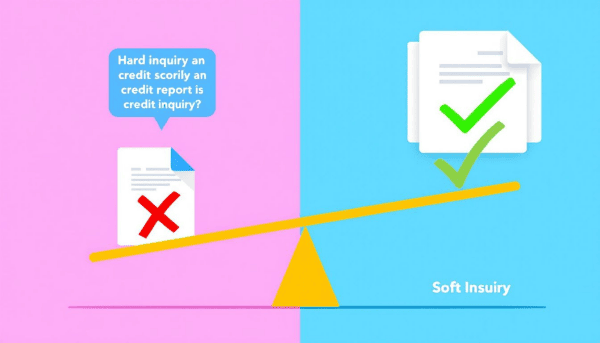
Hard inquiries, or hard pulls, are critical to understand when managing your credit. These inquiries occur when you apply for credit cards, mortgages, or loans, and the lender checks your credit history to make a lending decision. While all inquiries can affect your credit score, a hard credit pull has a more noticeable impact.
Each hard inquiry signifies to lenders that you are seeking new credit, which can affect your perceived creditworthiness. Understanding how these inquiries operate and their potential consequences on your credit score is important.
What is a Hard Inquiry?
A hard inquiry occurs when a lender reviews your credit report after you apply for new credit, which may result in a hard credit inquiry. This could be for:
a credit card
a mortgage
an auto loan
any other type of loan
These inquiries are a standard part of the lending process, allowing lenders to evaluate your credit history and assess the risk of lending to you.
When you authorize a lender to check your credit history, a hard inquiry is recorded on your credit report. These inquiries provide lenders with a snapshot of your financial behavior and creditworthiness.
How Hard Inquiries Affect Your Credit Score
Hard inquiries can have a significant effect on your credit score. Being aware of this impact is crucial. Each hard inquiry can reduce your credit score by fewer than five points, but multiple hard inquiries in a short period can have a compounding negative effect. This means that while a single inquiry might not drastically affect your score, several inquiries can lower it considerably.
Lenders view multiple hard inquiries as a sign of potential financial instability, as it indicates that you are seeking a lot of new credit. Hard inquiries typically affect your credit score for one year, although they remain on your credit report for up to two years. Therefore, it’s advisable to limit hard credit inquiries to less than six to maintain a favorable credit profile.
The impact of hard inquiries is a key factor in your credit score calculation. By understanding how these inquiries work, you can better manage your credit applications and maintain a healthy credit score.
Examples of Hard Inquiries
Common scenarios that trigger hard inquiries include applying for mortgage loans, auto loans, or credit cards. When you apply for these types of credit, the lender will perform a hard inquiry to assess your creditworthiness.
These inquiries can temporarily affect your credit score, reflecting your request for new credit and the associated risk. These examples help you anticipate and plan for when a hard inquiry might occur.
Soft Inquiries: Definition and Impact

Soft inquiries do not impact your credit score. This is in contrast to hard inquiries, which do have an effect. These inquiries occur when you check your own credit score, or a company checks your credit as part of a background evaluation. Soft inquiries are a routine part of various financial activities and do not signal to lenders that you are seeking new credit.
Soft inquiries are an essential aspect of credit management, providing valuable information without impacting your credit score. Knowing their nature and implications allows you to make informed financial decisions.
What is a Soft Inquiry?
Soft inquiries occur during background checks, pre-approvals, or when individuals check their own credit scores. These inquiries don’t need the individual’s permission and don’t affect their credit score.
For example, when you are prequalified for a loan or a credit card, a soft inquiry is performed to assess your creditworthiness without affecting your score. These soft credit checks provide a way to evaluate credit without the negative implications of hard inquiries.
How Soft Inquiries Affect Your Credit Score
Soft inquiries do not impact your credit score. They are not considered in the scoring process. They are not visible to lenders and do not impact your creditworthiness assessment. Only the individual whose credit is being checked can view soft inquiries on their credit report.
This means that you can check your own credit score as often as you like without worrying about any negative impact. Soft inquiries provide valuable insights into your credit without the downsides of hard inquiries.
Examples of Soft Inquiries
Employers often perform soft inquiries as part of background evaluations to assess your creditworthiness without affecting your score. Utility companies may also conduct soft inquiries when you apply for service. These checks are routine and do not impact your credit score.
These examples illustrate how soft inquiries don’t impact your score and their role in financial processes.
Managing Multiple Inquiries

Managing multiple credit inquiries effectively is key to maintaining a good credit score. Regular monitoring of your credit report keeps you informed and helps you manage them efficiently. Spacing out credit applications and only applying for necessary credit can help minimize the impact of multiple hard inquiries.
Proactivity and strategy can ensure multiple inquiries don’t significantly impact your credit score.
Rate Shopping and Its Effects
Rate shopping involves checking rates for mortgages, auto loans, or student loans within a specific period to find the best terms. Credit scoring models typically consider multiple inquiries for the same type of loan within 14 to 45 days as a single inquiry, minimizing the impact on your credit score.
FICO Scores, for example, ignore inquiries made within 30 days during the rate shopping period, treating them as a single entry. This grace period helps you shop around for the best loan options without worrying about multiple hard inquiries affecting your fico score.
Best Practices for Rate Shopping
Minimize rate shopping impacts by comparing within 14 to 45 days. Limiting hard inquiries can prevent a significant credit score drop.
While the impact of hard inquiries may be less than the benefits of favorable loan terms, it’s still essential to manage them wisely. By following best practices, you can ensure that rate shopping does not harm your credit score.
Disputing Unauthorized Inquiries
Unauthorized inquiries can harm your credit score if not promptly addressed. Regularly reviewing your credit report helps you spot any unauthorized or suspicious hard inquiries quickly. Setting up alerts for changes in your credit report can also help you stay informed about new inquiries.
Taking immediate action to dispute unauthorized inquiries is crucial for maintaining your credit health.
Identifying Unauthorized Inquiries
To maintain a healthy credit score, it’s recommended to check your own credit reports often. Regularly reviewing your credit report allows you to spot unauthorized hard inquiries promptly.
A hard inquiry that you don’t recognize could indicate that someone attempted to open a credit account in your name without your knowledge. Identifying these unauthorized inquiries early can help prevent further damage to your credit.
Steps to Dispute Hard Inquiries
If you spot unauthorized hard inquiries on your credit report, the first step is to contact the company that made the inquiry to verify authorization. Dispute unauthorized inquiries with the credit bureau by calling or sending a letter. Reporting fraudulent activity to the Federal Trade Commission can also help.
Additionally, you can place a fraud alert with a major credit bureaus, which will notify the other bureaus to verify your identity before extending credit. A credit freeze can protect your credit by limiting access to your reports.
Minimizing the Impact of Hard Inquiries

Minimizing hard inquiries’ impact requires proactive measures. Regularly monitoring your credit report is crucial to spot errors or fraudulent activity. Practicing responsible credit behaviors, such as timely bill payments, is more impactful on your credit score than worrying about new inquiries.
By keeping a close eye on your credit and being strategic with your applications, you can maintain a healthy credit score despite hard inquiries.
Planning Before Applying for Credit
Building your credit scores is vital before applying for credit. Plan your finances and check your credit report before loan shopping. Improving your credit utilization ratio and reducing existing debt levels can enhance your credit score before applying for new credit.
Improving your overall credit health through timely bill payments can strengthen your application before seeking new credit.
Monitoring Your Credit Report
Regularly monitoring your credit report is essential for building or maintaining your credit score. Reviewing your credit report helps you spot unauthorized hard inquiries early. Monitor your report by getting a free annual report and creating a myEquifax account.
Checking your own credit score does not lower it, allowing you to stay informed about your credit health without any negative impact.
Summary
Credit inquiries play a significant role in shaping your financial profile. Hard inquiries can have a more substantial impact on your credit score, while soft inquiries do not affect it at all. Understanding the differences between these types of inquiries, managing multiple inquiries effectively, and knowing how to dispute unauthorized inquiries are crucial steps in maintaining a healthy credit score.
Being proactive about your credit health involves regular monitoring of your credit reports, planning before applying for new credit, and practicing responsible credit behaviors. By doing so, you can minimize the negative impacts of hard inquiries and keep your credit score in good shape. Remember, knowledge is power—use it to your advantage to navigate the complex world of credit with confidence.
Frequently Asked Questions
What is the difference between a hard inquiry and a soft inquiry?
A hard inquiry impacts your credit score as it is made by lenders evaluating your creditworthiness, while a soft inquiry does not affect your credit score and typically occurs during personal checks or background screenings. Understanding these differences is essential for managing your credit health effectively.
How long do hard inquiries stay on my credit report?
Hard inquiries stay on your credit report for up to two years, though they generally impact your credit score for only one year. It's important to manage your credit applications to minimize their effects.
Can rate shopping affect my credit score?
Rate shopping can negatively impact your credit score if done over a prolonged period, but if inquiries are made within a 14 to 45-day window, they are typically counted as one inquiry, reducing the effect on your score. To mitigate potential damage, keep your shopping period concise.
How can I dispute an unauthorized hard inquiry on my credit report?
To dispute an unauthorized hard inquiry, promptly contact the credit bureau and the company that initiated the inquiry. Consider reporting any fraudulent activity to the Federal Trade Commission while placing a fraud alert with one of the major bureaus. This proactive approach will help protect your credit profile.
Do soft inquiries affect my credit score?
Soft inquiries do not affect your credit score, as they are not considered in the assessment of your creditworthiness by lenders. You can rest assured knowing they remain invisible to potential creditors.