
How Can I Cancel Credit Cards Without Hurting My Credit Score?
Can I cancel credit cards without hurting my credit? Yes, but it requires understanding credit utilization, credit history, and credit mix. This article guides you through the process and offers tips to protect your credit score.
Key Takeaways
Canceling a credit card can increase your credit utilization ratio, negatively impacting your credit score if it exceeds 30%.
Closing a credit card may reduce the average age of your accounts, potentially lowering your credit score, although closed accounts can still positively contribute for up to ten years.
Before canceling a card, consider alternatives such as negotiating better terms or using the card for small recurring charges to avoid potential negative impacts on your credit profile.
Understanding the Impact on Credit Utilization Ratio
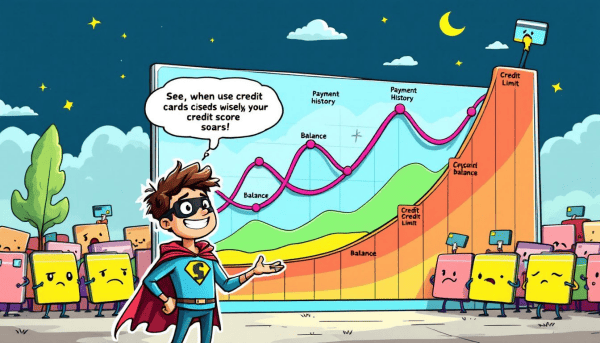
The credit utilization ratio is a critical factor in determining your credit score. Essentially, it measures how much of your available credit you are using. Credit scoring models, like FICO, consider a lower utilization ratio to indicate responsible credit use and less reliance on credit. Typically, a credit utilization ratio below 30% is recommended to maintain a healthy credit score.
When you cancel a credit card, you eliminate the credit limit associated with that account, which reduces your total available credit. This reduction can lead to a higher credit utilization ratio if your credit card balances remain the same. For example, if you have a total credit limit of $10,000 and a balance of $2,000, your utilization ratio is 20%. However, if you cancel a card with a $5,000 limit, your total credit limit drops to $5,000, making your new utilization ratio 40%.
An increased credit utilization ratio can negatively affect your credit score, especially if it exceeds 30%. Therefore, before canceling a credit card, it’s crucial to calculate how it will impact your overall credit utilization. This practice helps ensure that you make a decision that won’t hurt your credit profile.
Effect on Credit History

Your credit history plays an important role in determining your credit score. It constitutes approximately 15% of the overall score. This factor includes the length of time your credit accounts have been open and the average age of all your credit accounts. A longer credit history generally indicates more experience with managing credit, which can positively influence your credit scores.
When you close a credit card, it can reduce the average age of your credit accounts. For instance, if you have three credit cards that you’ve had for five, ten, and fifteen years, respectively, the average age of your accounts is ten years. If you close the fifteen-year-old card, the new average age drops significantly. This reduction can negatively impact your credit score, particularly if you have a relatively new credit history or few credit accounts.
However, it’s worth noting that closed accounts can remain on your credit report for up to ten years, still contributing to the length of your credit history as long as they were in good standing. This means that while the immediate impact might be negative, the long-term effect can be mitigated if you maintain other accounts responsibly.
Influence on Credit Mix
A diverse credit mix is beneficial for your credit score. Credit scoring models favor a mix of different types of credit, such as revolving credit (like credit cards) and installment loans (like mortgages or auto loans). This diversity indicates that you can manage a variety of credit products responsibly.
Canceling a credit card reduces the variety of your active credit types. For example, if you only have one credit card and several installment loans, canceling that card further limits your credit mix. While the impact on your credit score from closing a credit card is generally minor, maintaining a diverse credit mix can still provide a slight boost to your overall credit profile.
Situations Where Canceling a Credit Card Might Make Sense

There are instances where canceling a credit card might actually be a wise decision. While it’s essential to weigh the implications, some scenarios justify closing a card. For instance, high annual fees, poor customer service, or the temptation to overspend are valid reasons to consider canceling a credit card.
The specific situations where canceling a card makes sense will be explored next, including high annual fees, poor customer service, and the temptation to overspend. These insights empower you to make a more informed decision that aligns with your personal finance goals.
High Annual Fees
High annual fees can be a significant burden, especially if you’re not reaping corresponding benefits from the card. If the perks and rewards do not justify the high annual fee, it might be time to consider canceling the card. For example, if you’re paying $95 annually for a card but not utilizing its benefits, you’re essentially throwing money away.
Canceling a card with high fees can save you money and redirect those funds to more beneficial financial tools. However, always consider the impact on your credit history and utilization ratio before making the final decision.
Poor Customer Service
Chronic issues with customer support from your credit card issuer and credit card company are another valid reason to cancel a card. Persistent problems can lead to frustration and dissatisfaction, making the overall experience more of a headache than a convenience.
If your card issuer consistently fails to address your concerns or provide adequate support, canceling the card might be the best course of action.
Overspending Temptation
For some, the temptation to overspend is a constant battle. If you find yourself frequently maxing out your credit limits or struggling to pay off balances due to impulsive purchases, it might be time to consider canceling the card. This decision can help mitigate the risk of accumulating substantial credit card debt.
Recognizing your personal limits regarding credit usage is crucial. Canceling the card might be necessary to avoid falling into a cycle of debt and ensure responsible credit use.
Alternatives to Canceling a Credit Card
Before deciding to cancel a credit card, consider exploring some alternatives. Sometimes, negotiating better terms, upgrading or downgrading your card, or using it for small, recurring charges can address your concerns without negatively impacting your credit score.
These alternatives will be discussed in the next sections. They can help you retain the benefits of your credit card while avoiding the downsides of canceling it.
Negotiating Better Terms with Your Issuer
Negotiating better terms with your credit card issuer can be a viable alternative to canceling the card. Many consumers successfully request lower interest rates or waived fees by simply calling their credit card issuers and asking. If you’re facing high annual fees, for instance, asking the issuer to waive the fee can save you money without closing the account.
Switching to a more suitable card within the same issuer can also be an option. This way, you can keep your credit account active and avoid the negative impacts on your credit history and utilization ratio.
Upgrading or Downgrading Your Card
Upgrading or downgrading your credit card can offer a solution if the current card no longer fits your needs. For example, if you’re paying a high annual fee, you might request a downgrade to a no-fee option while keeping the account open. This approach helps you avoid the pitfalls of canceling a card while still managing your finances effectively.
Keeping the card active with minimal usage can also maintain your credit health. Regular, small transactions can keep the account open and contribute positively to your credit score.
Using the Card for Small, Recurring Charges
Using your credit card for small, recurring charges is another way to keep it active without the risk of overspending. Setting up automated payments for regular expenses such as subscriptions can help maintain the card’s activity. This strategy ensures that the card remains in good standing and contributes positively to your credit utilization ratio.
Automating these payments can provide a hassle-free way to keep the card active, thereby maintaining a healthy credit profile without the burden of large purchases.
Steps to Safely Cancel a Credit Card
If you decide that canceling a credit card is the best option, it’s crucial to follow the correct steps to minimize any negative impact on your credit score. Paying off the balance, transferring recurring payments, and confirming the cancellation with the issuer are key steps to ensure a smooth process.
The next sections will detail these steps, ensuring you can safely cancel a credit card without harming your credit health.
Pay Off the Balance
Before canceling your closed credit card, ensure that the balance is fully paid off. Leaving any owed amounts on a closed credit card account can result in unexpected charges such as interest or fees. Confirm the total payoff amount, as it may include additional fees and interest that need to be settled.
Paying off the balance maintains a clear financial record and prevents any negative marks on your credit report. This step is crucial to ensure that closing the card does not hurt your credit profile.
Transfer Recurring Payments
Transferring any automatic payments to another credit card is essential before canceling your card. This step prevents missed payments, which can negatively impact your credit score. Ensure that all recurring payments are shifted to a different card to avoid any financial disruptions.
Make sure to pay off the full balance on the card before initiating the transfer of automatic payments to ensure a smooth transition.
Confirm Cancellation with the Issuer
After canceling your credit card, it’s crucial to confirm the cancellation with your issuer. Request confirmation in writing or through your account to ensure that the process is completed. This step helps avoid any misunderstandings or errors that might affect your credit report.
Always check your credit reports for accuracy after canceling a card. If there are any mistakes, contact the issuer to correct the error immediately.
Monitoring Your Credit After Cancellation

Monitoring your credit after canceling a credit card is essential to ensure that the cancellation has been processed correctly and hasn’t negatively impacted your credit score. Start by following up with your credit card issuer in writing to confirm that the account has indeed been closed. This step helps to verify that the cancellation was processed as requested and prevents any future discrepancies.
Next, review your credit reports from all three major credit bureaus—Equifax, Experian, and TransUnion—to confirm that the closed account is accurately reflected. Look for any errors or inaccuracies, such as the account still being listed as open or any missed payments that shouldn’t be there. If you find any discrepancies, contact the credit bureaus and the credit card issuer to correct the errors promptly.
Finally, keep an eye on your credit score over the next few months. Closing a credit card can credit card affect your credit utilization ratio and overall credit profile, so it’s important to monitor any changes. Use tools like Credit Karma or your bank’s credit monitoring service to stay informed about your credit health.
Summary
Canceling a credit card is a significant decision that can impact your credit score and overall financial health. Understanding the effects on your credit utilization ratio, credit history, and credit mix is crucial to making an informed choice. While there are valid reasons to cancel a card, such as high annual fees, poor customer service, or the temptation to overspend, it’s vital to consider alternatives like negotiating better terms, upgrading or downgrading the card, or using it for small, recurring charges.
By following the proper steps to safely cancel a credit card and monitoring your credit afterward, you can minimize any negative impacts on your credit score. Remember, maintaining responsible credit use and keeping a diverse credit mix are key to a healthy credit profile. Empower yourself with knowledge, and make decisions that align with your financial goals.
Frequently Asked Questions
How does canceling a credit card affect my credit utilization ratio?
Canceling a credit card can negatively impact your credit score by increasing your credit utilization ratio if your balances remain unchanged, as it reduces your total available credit. It is advisable to consider this effect before making a cancellation decision.
Will closing a credit card hurt my credit history?
Closing a credit card can negatively impact your credit score by reducing the average age of your credit accounts. However, if the account was in good standing, it will remain on your credit report for up to ten years, still benefiting your credit history.
What are some alternatives to canceling a credit card?
Instead of canceling your credit card, consider negotiating better terms with your issuer, upgrading or downgrading your card, or using it for small, recurring charges to maintain activity. These options can help you manage your credit effectively without losing the account.
Is it necessary to transfer recurring payments before canceling a credit card?
Yes, it is essential to transfer recurring payments to another credit card before canceling, as this prevents missed payments that could adversely affect your credit score.
How can I confirm that my credit card has been successfully canceled?
To confirm that your credit card has been successfully canceled, request written confirmation from your credit card issuer and verify that the account is marked as closed on your credit report.