How to Handle a Credit Card Dispute for Subscription Charges
Seeing an unexpected subscription charge on your credit card? This guide will show you how to initiate a credit card dispute for subscription charges and protect your finances.
Key Takeaways
Regularly monitor credit card statements to identify unauthorized or incorrect subscription charges promptly.
Consumers are protected under the Fair Credit Billing Act, limiting their liability for unauthorized charges and specifying a 60-day window to dispute such charges.
Initiate disputes by first contacting the merchant, and if unresolved, file a formal dispute with the credit card issuer, providing necessary documentation to support your claim.
Understanding Subscription Charges on Your Credit Card

Subscription charges usually appear as recurring payments on your credit card statement, often under the service provider’s name. These credit card charges can vary in amount and frequency, so scrutinizing your statements regularly is important. Monitoring your credit card statements can help you catch unauthorized charges quickly and take corrective action.
Federal regulations require credit card issuers to send statements at least 21 days before the payment due date, allowing consumers time to review and address any discrepancies. This period allows you to identify any unauthorized or incorrect charges and take the necessary steps to dispute them.
Reminders for payment due dates help manage subscriptions and avoid missed payments. Staying vigilant ensures your credit card account remains accurate and free from unauthorized charges.
Identifying Unauthorized Subscription Charges
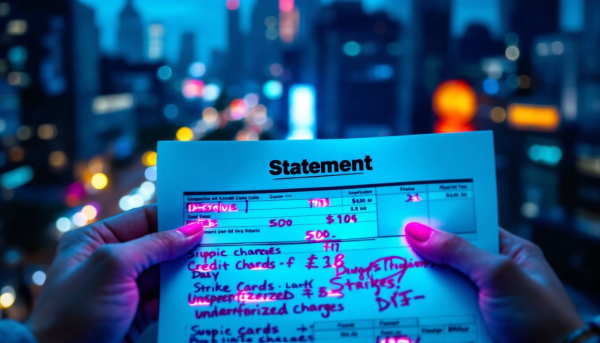
An unauthorized charge is any transaction you didn’t make or approve. These charges may appear under different names due to merchants using abbreviated or parent company names, making them challenging to recognize at first glance. To identify unauthorized charges, it’s helpful to review your receipts and check with any authorized users on your account.
The Fair Credit Billing Act (FCBA) provides robust protections against unauthorized charges. Under this federal law, consumers are only liable for up to $50 of unauthorized charges, and many credit card issuers offer $0 fraud liability. This means that if you report a fraudulent charge promptly, you won’t be held responsible for it.
Report any fraudulent charges immediately to your credit card company. Most issuers require disputes to be filed within 60 days of the charge appearing on your statement. Prompt reporting ensures that your dispute is considered and increases the likelihood of a favorable resolution.
Steps to Dispute a Subscription Charge
Disputing a subscription charge involves several steps, starting with contacting the merchant directly. This often leads to quicker resolutions and saves the hassle of a formal dispute process. If the seller is also the issuer, you must resolve the dispute with the seller first.
If contacting the merchant doesn’t resolve the issue, the next step is to file a dispute with your credit card issuer. Follow the proper steps and provide all necessary documentation to support your claim. This section will guide you through each step in detail, ensuring you know exactly what to do when disputing a subscription charge.
Review Your Credit Card Statement
Regularly checking your credit card statements helps identify any mistakes or unauthorized charges related to subscriptions. Since subscription charges can vary each month, verifying their accuracy is crucial. Setting up automatic debits for subscription payments can lead to issues if the billed amounts are incorrect.
Frequent examination of your credit card statement helps you spot unfamiliar or questionable charges in your credit report. By doing so, you can take prompt action to address any discrepancies before they become significant issues.
Contact the Merchant
Reaching out directly to the merchant can often lead to quicker resolutions. When you notice a discrepancy, contact your subscription service provider. They might correct the error immediately, saving you the time and effort of a formal dispute.
It’s advisable to keep a record of all communications with the merchant, as this documentation can be valuable if you need to escalate the dispute to your credit card issuer.
Gather Supporting Documents
Gather evidence before disputing a charge to show your good-faith effort to resolve the issue. Collect any relevant communication with the merchant, including emails, receipts, and transaction records. This documentation will support your claim and provide a clear timeline of events.
Having a well-documented case strengthens your position and increases the likelihood of a favorable resolution when disputing a charge with your credit card issuer.
Submit a Dispute to Your Credit Card Issuer
File a dispute using various methods: online, over the phone, or through mail. When you dispute a credit card charge, provide a reasonable cause for the credit card disputes and include any supporting documents. This evidence bolsters your claim and helps the credit card issuer understand your situation.
Dispute the charge within 60 days from when it appears on your statement unless fraud is involved. Prompt reporting prevents further issues and ensures your dispute is considered. If you suspect fraud, contact your credit card issuer immediately.
After submitting your dispute, the credit card issuer will investigate the claim. The resolution process can take up to two billing cycles, and you may receive a provisional credit while the investigation is ongoing.
Legal Protections for Disputing Subscription Charges

The Fair Credit Billing Act (FCBA) grants consumers the right to dispute billing errors on credit cards. Under the FCBA, consumers must have their payments posted promptly and are entitled to refunds for overpayments. You have 60 days from the date of the billing statement showing the billing error to dispute the charge.
Credit card companies must acknowledge a dispute within 30 days of filing. The resolution process may take up to two billing cycles, with a maximum duration of 90 days. During the dispute process, creditors are prohibited from taking negative actions against your credit until the investigation is complete.
The FCBA provides temporary credit relief from having to pay the disputed charge while the investigation is ongoing, ensuring you are not financially burdened during the dispute process.
What Happens After You File a Dispute

During the credit card dispute process, expect a defined process for resolution. The dispute resolution process typically takes up to 90 days or two billing cycles. If the bank finds your dispute valid, the transaction will be reversed. They will issue the reversal accordingly. If a dispute is resolved in your favor, the credit card issuer may provide a provisional credit.
If a dispute is denied, the charge reverts back to your account, and the issuer will explain their reasoning. While the dispute is ongoing, you are not required to pay the disputed charges but must make the minimum payment due on your account.
Tips to Avoid Future Subscription Charge Issues
Using dedicated email addresses for subscriptions helps manage and track communications regarding recurring charges. Keeping a clear record of all active subscriptions aids in monitoring and managing charges effectively. Setting reminders before subscription renewals can prevent unexpected charges on your credit card.
Research companies and their free trial offers to understand their cancellation policies before signing up. Be cautious of auto-renewals and check renewal notices to confirm expected charges. Taking early action can enhance your chances of recouping funds.
Summary
To sum up, managing subscription charges on your credit card requires vigilance and proactive measures. Regularly reviewing your credit card statements, identifying unauthorized charges, and understanding the dispute process are crucial steps in protecting your finances.
Legal protections under the Fair Credit Billing Act provide consumers with the right to dispute billing errors and receive temporary relief while the investigation is ongoing. By following the steps outlined in this guide, you can handle credit card disputes effectively and avoid future issues.
Take control of your subscription charges today and ensure you’re only paying for services you’ve authorized. Stay informed, stay vigilant, and protect your financial well-being.
Frequently Asked Questions
What should I do if I notice an unauthorized subscription charge on my credit card statement?
If you notice an unauthorized subscription charge, first confirm that it is indeed fraudulent by reviewing your statement. Then, contact the merchant for a resolution; if necessary, escalate the matter by filing a dispute with your credit card issuer.
How long do I have to dispute a charge on my credit card?
You have 60 days from the date of the statement indicating the billing error to dispute a charge on your credit card, as per the Fair Credit Billing Act. It is essential to act within this timeframe to ensure your dispute is considered valid.
Will I be responsible for paying disputed charges while the investigation is ongoing?
You are not responsible for paying disputed charges during the investigation; however, you should ensure that you make the minimum payment due on your account to avoid any penalties.
What legal protections do I have when disputing subscription charges?
You have legal protections under the Fair Credit Billing Act, allowing you to dispute billing errors and receive temporary relief from payment while the dispute is investigated. It is crucial to leverage these rights when addressing subscription charge disputes.
How can I avoid future subscription charge issues?
To avoid future subscription charge issues, utilize dedicated email addresses for subscriptions, maintain clear records, set renewal reminders, and research cancellation policies before enrolling in any free trials. Taking these proactive measures will help you manage your subscriptions effectively.