Master How to Negotiate Debt Settlement on Your Own
Feeling overwhelmed by debt but want to avoid hiring a professional? You can learn how to negotiate debt settlement on your own and take control of your financial future. This guide will show you how to talk to your creditors, offer settlements, and navigate the process step-by-step. You’ll learn practical tips to settle your debts for less and regain financial stability.
Key Takeaways
Debt settlement involves negotiating with creditors to pay less than owed, potentially harming credit scores and impacting future borrowing for up to seven years.
Before negotiating, assess your financial situation and verify debts to prepare for effective communication with creditors.
Document all agreements in writing and monitor your credit report post-settlement to ensure accurate reporting and safeguard your creditworthiness.
Understand Debt Settlement Basics
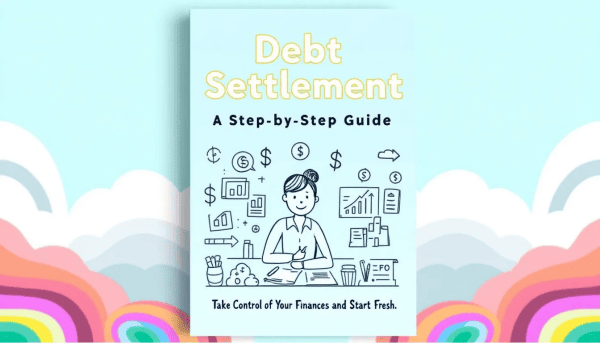
Debt settlement involves negotiating with creditors to settle debt for less than what is owed, often through a lump-sum payment. This process typically starts by contacting your creditors and presenting a lower payoff than the total amount owed. However, settling debt can negatively impact your credit score by indicating that the debt was not paid in full. This impact can last up to seven years, affecting your ability to secure future credit. Additionally, credit card debt settlement can be a viable option for those struggling with high credit card balances.
Accounts that are marked as settled debt will remain on your credit report for seven years, which can influence your future credit applications. While unsecured debts like credit cards can be settled, secured debts, which involve collateral, are riskier for lenders and generally have lower interest rates. Debt settlement is often used as a last resort when bankruptcy is not a feasible option.
The do-it-yourself (diy debt settlement) strategy for debt settlement can be particularly effective for delinquent debts. Understanding the basics prepares you to navigate the settlement process and make informed financial decisions.
Assess Your Financial Situation
Assess your financial situation before diving into debt settlement. Start by evaluating your total outstanding debt, monthly payments, and any financial hardship you are experiencing. This understanding will help you build trust with creditors during negotiations.
A credit counselor can provide additional insights and help you set a realistic budget and repayment plan. Consider factors like bankruptcy or credit counseling, and assess your cash availability for settlements to be well-prepared for negotiations.
Verify Your Debts
Verify your debts before initiating any negotiations. Start by creating a list of all your creditors and the amounts owed. Check your credit report and contact the collection company for details about each debt. For any unrecognized debts, request proof from the creditor.
Make sure the collection agency confirms the legitimacy of the debt and your legal obligation to pay. Validate the amount you owe before suggesting a repayment plan to your creditor. Be aware that medical debts under $500 and older debts past the reporting deadline may not appear on your credit report. Additionally, ensure the statute of limitations hasn’t expired and confirm that federal benefits aren’t protected from collectors to verify if you’re legally obligated to pay a debt.
A debt collection company must provide a debt validation letter with the amount owed and creditor details upon first contact. This ensures you negotiate based on accurate information, avoiding surprises later.
Determine Your Settlement Offer
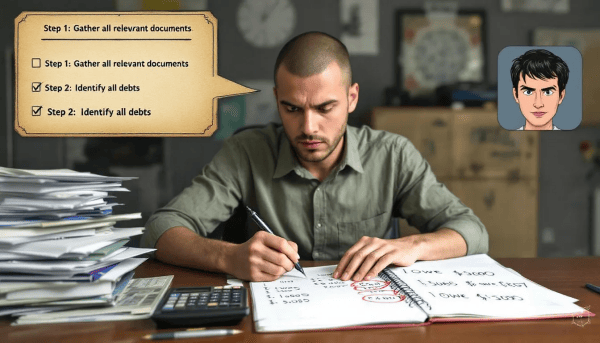
After verifying your debts, determine your settlement offer. Assess the total amount you can allocate for settlement negotiations. Evaluate available funds, total cash in accounts, and budget for monthly savings.
Start your initial offer with a lower amount than what you are willing to finally pay to allow negotiation flexibility. A common practice is to negotiate settlement offers around 50% of what you owe. If you prefer to make a lump-sum payment, ensure you have saved up the required amount in advance. Being prepared makes your offer more attractive to creditors, increasing the chances of successful negotiation.
Initiate Contact with Creditors

Initiating contact with creditors can be intimidating, but it’s a crucial step in the debt settlement process. Confirm the debt before making any repayment proposals. Clearly communicate your financial situation and be prepared for multiple negotiation attempts, as initial offers are often rejected.
When proposing a repayment plan, presenting a lump sum offer can be beneficial as creditors often prefer immediate payment. Additionally, ask creditors about hardship programs or repayment plans that might be available. Get any agreement with the debt collector in writing before making payments. Having documentation clarifies the terms and helps prevent future disputes.
Negotiate Terms Effectively
Negotiating terms effectively is key to a successful debt settlement negotiation. Begin your offer at around 20% to 30% of the total debt amount. If progress stalls, call back and speak to another agent. It may take multiple calls to reach an agreement, so persistence is essential.
Concise portrayal of your financial hardship can help persuade the creditor. Make sure you don’t agree to pay any amount that is beyond your means. Stay within your financial limits. Effective direct negotiation can save money and help reach a mutually satisfactory settlement.
Get Agreements in Writing
After reaching an agreement, get everything in writing. Document payment plans and agreements with debt collectors to have proof of the arrangement and protect against future claims. Document all terms of the settlement, including payment details, debt forgiveness terms, and credit reporting processes, to mitigate future disputes.
Obtain the settlement terms in writing before proceeding with a payment. Request any relevant credit reporting information as well. Written confirmation clarifies responsibilities and helps prevent misunderstandings and potential legal issues.
Make Your Payments
After getting the settlement agreement in writing, it’s time to make your payments. Send a letter to your creditor detailing the terms and ensure you receive a letter or email with your debt account details and settlement arrangement before sending any money. Ensure the letter receives written approval. Proceed with your payment only after receiving written approval.
Utilizing cashier’s or certified checks is recommended for making debt settlement payments. Make the payment as agreed and keep a record of all transactions. Send the payment to your creditor in advance. This will help you avoid potential issues.
Avoid providing your bank account information to your creditor to protect your financial security.
Monitor Your Credit Report
After completing a debt settlement, monitor your credit report to ensure payments are accurately reported. Regularly check your credit reports to confirm that settled accounts are reported correctly and your account status is updated.
Dispute any discrepancies in your credit report promptly with the credit bureaus. For difficulties with the dispute process, consider consulting a credit counselor. Monitoring your credit report ensures your financial efforts are accurately reflected and protects your creditworthiness.
Explore Alternatives to Debt Settlement

While debt settlement can be effective, explore other alternatives. Credit counseling services can set up structured debt repayment plans, although they require full repayment of debts over time. Debt management plans often negotiate lower interest rates but typically take three to five years to complete.
Debt consolidation can simplify debt payments and potentially lower interest rates, but it doesn’t reduce the total debt amount. Debt consolidation loans are fixed-rate loans repaid in monthly payment installments over a set period, usually three to five years.
For some borrowers, bankruptcy can be the most cost-effective way to eliminate debts quickly. Exploring these alternatives can help you find the best solution for your financial situation.
Consult a Credit Counselor

Feeling overwhelmed by the debt settlement process? Consulting a credit counselor can provide valuable assistance. Nonprofit credit counseling agencies provide unbiased advice to help individuals manage their debts effectively. A credit counselor can help determine if debt settlement is the best option for your financial situation.
Get free advice on negotiating debt settlements by meeting with a certified credit counselor. Credit counseling organizations typically offer free educational resources and workshops for debt relief companies and debt management.
For additional help during the debt settlement process, consider consulting a credit counselor or a lawyer.
Summary
In summary, negotiating debt settlement on your own can be a powerful way to take control of your financial future. By understanding the basics of debt settlement, assessing your financial situation, verifying your debts, and determining a realistic settlement offer, you can effectively negotiate with your creditors.
Remember to document all agreements in writing, make your payments as agreed, and monitor your credit report to ensure accuracy. Exploring alternatives and consulting a credit counselor can provide additional support and resources. Taking these steps will empower you to tackle your debts and move towards a debt-free life.
Frequently Asked Questions
What is debt settlement?
Debt settlement is the process of negotiating with creditors to pay off debts for less than the total amount owed, typically via a lump-sum payment. This strategy can provide relief for those struggling with unmanageable debt.
How does debt settlement affect my credit score?
Debt settlement can harm your credit score, as it shows that you did not pay the full amount owed, affecting your credit for up to seven years. It's essential to weigh this consequence against the benefits of resolving your debt.
How do I verify my debts before negotiating?
To verify your debts before negotiating, create a list of creditors along with the amounts owed, check your credit report for accuracy, and directly contact the collection company for details. If you encounter any unfamiliar debts, request proof from the creditors to ensure legitimacy.
What should I consider when determining a settlement offer?
Evaluate your financial situation, including available funds and monthly budget for savings, and consider initiating the negotiation with a lower offer to allow room for adjustment.
Why is it important to get agreements in writing?
It is essential to get agreements in writing to ensure there is clear proof of the arrangement, which helps protect you from potential disputes or claims in the future. Having a written record provides clarity and reduces misunderstandings.