How to Protect Your Identity Online: Essential Tips and Strategies
Want to know how to protect your identity online? This article covers practical tips to keep your personal information safe. Learn how to manage your data, create strong passwords, secure devices, and monitor your financial accounts.
Key Takeaways
Safeguard personal information by being selective about what you share online and protecting sensitive data like your Social Security number.
Create strong, unique passwords for different accounts and enable two-factor authentication to enhance security.
Regularly monitor financial accounts and credit reports for unauthorized transactions, and consider using identity theft protection services for comprehensive security.
Safeguard Your Personal Information
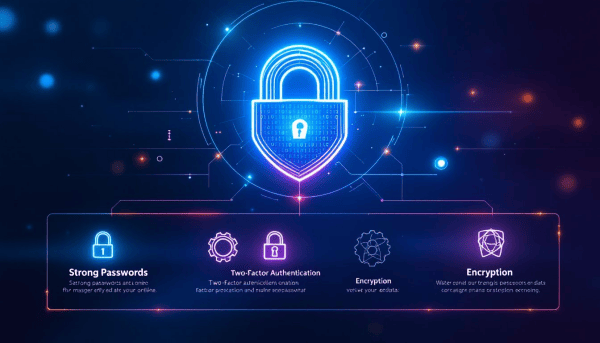
Identity theft poses a significant threat in our connected world, making it essential to protect personal information from an identity thief. Carefully considering what you share and with whom can greatly reduce your risk, whether online or offline.
Here are some key strategies to protect your personal information effectively.
Be Selective with Sharing
Oversharing on social media accounts can attract identity thieves. Avoid posting sensitive details such as your home address, birth date, or email address. Be cautious and share personal information only with trusted sources or when you initiate the contact.
Being selective about what you share can help prevent malicious actors from exploiting your data.
Protect Your Social Security Number
Your Social Security number is a prime target for identity thieves. To protect it, avoid carrying your Social Security card unless absolutely necessary. If a health plan or other service requests your Social Security number, ask if they can use a different identifier.
Taking these steps helps prevent identity theft and protects your personal information.
Create Strong Passwords and Manage Them Securely
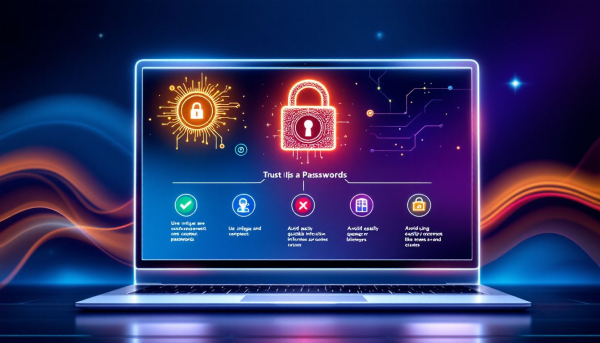
Strong passwords serve as your first line of defense against cyber criminals. Weak passwords can easily lead to breaches that compromise your personal and financial information.
Adopting robust password practices, such as using a password manager and enabling two-factor authentication, can greatly enhance your security.
Use Unique Passwords for Different Accounts
Using the same password for multiple accounts is risky; if one is compromised, all your accounts are at risk. Create unique passwords for each account to ensure that a breach in one does not jeopardize others.
This practice is essential for comprehensive online security.
Enable Two-Factor Authentication
Two-factor authentication (2FA) enhances security by requiring a second form of verification, such as a one-time code sent to your phone, in addition to your password. This reduces the chances of unauthorized access, even if your password is compromised.
Utilize a Password Manager
A password manager is an invaluable tool for managing and securing your passwords. It generates strong, unique passwords for each of your accounts and stores them securely.
In addition to simplifying your digital life, they enhance your overall security.
Enhance Device Security
Devices serve as gateways to your personal information, making their security paramount. Regular software updates, antivirus programs, and secure network practices are key components of device security.
Here are some strategies to keep your devices secure.
Keep Software Updated
Software updates often include critical security patches that fix vulnerabilities. Enabling automatic updates ensures your devices always have the latest protections.
This simple step can greatly enhance your security.
Install Antivirus and Anti-Malware Programs
Antivirus and anti-malware programs are essential for defending your devices against malicious software. They detect and remove threats before compromising your personal and financial information.
Regularly updating these protections is crucial.
Secure Your Network
Securing your home network protects all your devices from external threats. Use a strong password for your router, change default credentials, and consider using a VPN to encrypt your internet connection.
These steps can greatly enhance your online privacy and security.
Be Cautious with Online Activities
In the vast landscape of the internet, cautious online activities can prevent identity theft, especially when managing online accounts. Verify website security, avoid public Wi-Fi for sensitive transactions, and be vigilant against phishing attempts.
These practices are essential for safeguarding your personal information.
Verify Website Security
Always check for security indicators like ‘https’ in the URL and a padlock symbol before entering sensitive information online. These signs confirm that the website is secure and your data is encrypted.
This simple check can prevent many potential security issues.
Avoid Public Wi-Fi for Sensitive Transactions
Public Wi-Fi networks are often insecure and can expose your data to hackers. Avoid using them for financial transactions or accessing sensitive accounts.
If you must use public Wi-Fi, employ a virtual private network to encrypt your connection and protect your information.
Monitor Email and Social Media for Phishing Attempts
Phishing attempts are scams designed to trick you into revealing personal information. Be vigilant about unexpected emails and messages, especially those asking for sensitive details. Verify link destinations before clicking.
These precautions can help you avoid falling victim to such scams.
Monitor Financial Accounts and Credit Reports
Regularly monitoring your financial accounts and credit reports is crucial for early detection of identity theft. This vigilance helps spot unauthorized transactions and discrepancies quickly, allowing for immediate action.
Sign Up for Transaction Alerts
Transaction alerts notify you of unusual activities on your accounts, helping you catch unauthorized charges early. Setting up these alerts with your bank adds an extra layer of security.
Review Bank Statements Monthly
Examining your bank statements monthly can help you identify any irregularities or unauthorized transactions.
Promptly reporting these issues to your bank helps prevent further fraudulent activities.
Obtain Free Credit Reports
Requesting free credit reports from major credit bureaus annually helps you stay on top of your credit history and detect potential fraud early. This practice is a key component of identity theft protection and monitoring your credit report.
Use Identity Theft Protection Services
Identity theft protection services can monitor and safeguard your personal information. They offer features like dark web monitoring, credit tracking, and identity restoration support, providing comprehensive protection.
Features of Identity Theft Protection Services
These services monitor your personal information across different platforms, including the dark web, to detect potential threats early. They also offer privacy scans to remove your information from public data websites.
These features are invaluable in protecting your identity.
Choosing the Right Service
When choosing an identity theft protection service, consider features like dark web monitoring and credit tracking. Compare services based on customer reviews and pricing to find one that suits your needs and budget.
Making an informed decision is essential for effective identity protection.
What to Do If Your Identity Is Stolen
If your identity is stolen, immediate action is required to mitigate the damage. Report the theft to authorities, place fraud alerts, and close compromised accounts.
These steps help you regain control and prevent further fraud.
Report to Authorities
Begin by filing a report with the Federal Trade Commission (FTC) through IdentityTheft.gov. Notify your local law enforcement to create a police report.
These reports are essential for documenting the theft and beginning the recovery process.
Place Fraud Alerts
Contact major credit bureaus to place fraud alerts on your credit reports. This warns creditors to take extra steps in verifying your identity before opening new accounts.
Fraud alerts are a critical measure in preventing further fraudulent activities.
Close Compromised Accounts
Notify your financial institutions and other financial institutions immediately to close any accounts that may have been accessed by identity thieves. Prompt action can help prevent additional unauthorized transactions and protect your financial information.
Summary
Protecting your identity online requires a proactive approach, from safeguarding personal information to using strong passwords and monitoring your financial accounts. Implementing these strategies can significantly reduce your risk of identity theft. Stay vigilant, take advantage of available tools and services, and remember that your online security is in your hands.
Frequently Asked Questions
Why is it important to use unique passwords for different accounts?
It's crucial to use unique passwords for different accounts to protect yourself; if one password is breached, having distinct passwords ensures that other accounts remain secure. This practice significantly enhances your overall online security.
How can I protect my Social Security number?
To protect your Social Security number, avoid carrying your card and request alternative identification numbers whenever feasible. This minimizes the risk of loss or theft.
What should I do if I suspect identity theft?
If you suspect identity theft, promptly report it to the FTC, place fraud alerts with credit bureaus, and close any compromised accounts to protect yourself. Taking these steps quickly is crucial in mitigating potential damage.
How do identity theft protection services help?
Identity theft protection services help by monitoring your personal information, providing alerts for suspicious activities, and offering support for restoring your identity if it is compromised. This proactive approach can significantly reduce the risk and impact of identity theft.
Why should I update my software regularly?
Updating your software regularly is essential as it patches security vulnerabilities and protects your devices from potential threats. This proactive measure ensures the integrity and safety of your data.