Protect Yourself: Top Strategies to Combat Identity Theft Risks for Freelancers
Freelancers face serious identity theft risks for freelancers due to frequent online data sharing. This article identifies these risks and offers immediate steps to protect your personal and professional identity.
Key Takeaways
Freelancers face heightened risks of identity theft due to increased job scams and the need to share personal information online.
Early detection is crucial; freelancers should regularly monitor bank statements, credit reports, and be vigilant against phishing attempts.
Implement strong security measures such as multi-factor authentication, using reputable platforms, and regular software updates to protect against identity theft.
Understanding Identity Theft in Freelancing
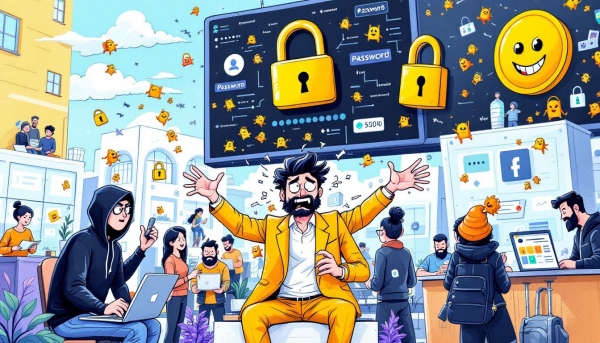
Identity theft involves the unauthorized use of your personal information, leading to significant harm. In the freelancing world, this can mean stolen credentials, fraudulent job postings, and unauthorized financial activities. In 2023, job scams targeting freelancers surged by 118 percent, primarily on job search platforms. This stark increase highlights the growing risk for freelancers in the gig economy, making them potential targets for an identity thief.
Most gig workers are particularly vulnerable to identity theft due to the nature of their gig work, which often involves sharing personal information online. Legitimate gig workers face significant risks of account takeover, with existing accounts being the most commonly reported form of misuse at 52 percent. The impact of such theft is profound, affecting both business operations and personal reputations.
Recognizing Identity Theft Signs
Recognizing the signs of identity theft early can save you from extensive damage. Freelancers should be alert to unexpected financial activities, like unfamiliar accounts or unexpected financial inquiries. Identifying these signs is crucial for protecting your identity and your business.
Understanding the red flags of identity theft is the first step in safeguarding against it. In the following subsections, we’ll delve into key indicators such as unfamiliar accounts and transactions, suspicious communications, and discrepancies in credit reports.
Unfamiliar Accounts and Transactions
Regularly reviewing your bank statements is essential for detecting unauthorized transactions promptly. Compare your bank statement entries against your receipts to verify transaction legitimacy. This practice helps in identifying and addressing potential identity theft early on.
Additionally, if you come across an unfamiliar account or transaction, a quick online search of the account name can provide clarity. This proactive approach ensures that any unauthorized activities are swiftly flagged and dealt with, preventing further misuse of your financial information.
Suspicious Communication
Phishing is a common tactic used by identity thieves to deceive individuals into sharing sensitive information like Social Security Numbers, passwords, and account numbers. When you receive unexpected emails, avoid clicking on any links and scrutinize the email for clues that it may be fake.
Being vigilant about suspicious communication can prevent identity fraud. Always verify the source of the communication before responding or providing any sensitive information. This simple yet effective security measure can protect you from falling victim to phishing scams.
Credit Report Discrepancies
Regularly monitoring your credit report is crucial for identifying potential identity theft before it escalates. Look for unfamiliar credit inquiries or accounts, as these can be indicators of identity fraud.
Access your credit report through authorized channels and scrutinize it for any discrepancies. Regularly monitor your credit report to catch and address identity theft early, minimizing its financial impact.
Immediate Steps After Identity Theft Discovery

Discovering that you’ve been a victim of identity theft can be alarming, but taking immediate action is crucial. Notify your banks and other financial institutions right away to pause transactions and secure your accounts. This swift action can prevent further unauthorized use of your financial information.
Next, file a report with the police and the Federal Trade Commission (FTC). Documenting the identity theft is essential for any subsequent investigations and may be required by financial institutions to validate your claims.
Contact Financial Institutions
Immediately notify all financial institutions of the identity theft to flag or close compromised accounts. Inform your banks to halt any unauthorized transactions and safeguard your accounts. Closing compromised accounts and keeping records of these communications are crucial steps in mitigating the damage.
Writing to your banks to confirm the notification of identity theft ensures there is a documented trail of your proactive measures. This can be vital for resolving any disputes that may arise from the unauthorized transactions.
Report to Authorities
Filing a report with the Federal Trade Commission (FTC) is a crucial step after discovering identity theft. This helps track identity theft cases on a national level and provides you with documentation that may be needed by banks and creditors.
Additionally, reporting the theft to local law enforcement is essential. Maintain detailed records of all actions and communications related to the identity theft. This documentation can be invaluable for future reference and any ongoing investigations.
Secure Online Accounts
Change passwords on all your online accounts to prevent unauthorized access. Utilize strong passwords and enable two-factor authentication for an additional layer of security. These security measures significantly enhance your defense against identity thieves.
Implementing two-factor authentication ensures that even if your password is compromised, identity thieves would still need a secondary form of verification to access your accounts. This added security step is crucial in protecting your online presence.
Long-Term Prevention Strategies

Implementing long-term prevention strategies is essential for safeguarding your identity in the future. Educating clients about the importance of protecting their personal information and activating multi-factor authentication on online accounts are proactive steps that offer significant benefits.
Regularly changing passwords and utilizing firewalls are also effective security measures. Backing up data regularly ensures quick recovery in case of a cyberattack or data loss.
Regular Credit Monitoring
Regularly reviewing your credit report helps spot discrepancies that may indicate identity theft. Look for unauthorized hard inquiries and scrutinize your bank statements regularly to identify any unauthorized transactions quickly.
Keep a close watch on your credit report and bank statements to catch identity fraud early and take necessary actions to mitigate its impact.
Secure Document Storage
Secure document storage is critical for protecting your identity and personal information from theft. Use locked safes or secure digital storage security solution for storing sensitive documents such as passports, social security numbers, and bank account details. Consider hiring a security service to enhance your protection.
Follow best practices for secure document storage to significantly reduce the risk of identity theft and protect your personal information.
Use Reputable Platforms
Opt for reputable gig platforms with robust security measures to protect your identity. Look for platforms that offer two-step authentication and biometric identity verifications. Regularly monitor your profiles on these platforms for any signs of unauthorized access.
Reputable platforms enhance fraud detection by implementing advanced tools that automatically detect and block bad actors. Being present on trusted freelancing platforms provides an additional layer of security against identity theft.
Protecting Digital Devices
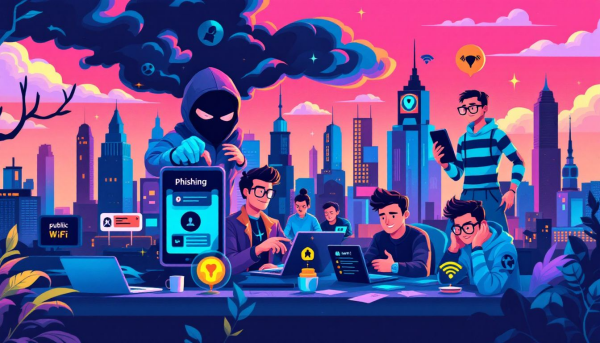
Securing your digital devices is a crucial aspect of identity protection. Public Wi-Fi networks pose significant risks as they often lack security features, making them easy targets for hackers. Using a virtual private network (VPN) can help secure your connection when accessing the internet through public Wi-Fi.
Implementing multi-factor authentication for verifying client identities during transactions adds an extra layer of security. Ensuring your devices are protected against unauthorized access is essential for maintaining the integrity of your personal information.
Update Software Regularly
Regularly updating software is essential to address security vulnerabilities that cybercriminals may exploit. Keeping your software up to date ensures you have the latest security patches and protections in place.
Use Antivirus Programs
Antivirus software is essential for identifying and neutralizing malware threats in real-time. Antivirus programs protect your personal information by actively scanning and detecting malware. Regularly update antivirus software to ensure it can effectively combat the latest threats.
Installing and consistently using a reputable antivirus program is crucial for safeguarding your data against cyber threats.
Avoid Public Wi-Fi
Using public Wi-Fi exposes users to identity thieves and potential malware. Identity thieves can create fake hotspots and introduce malware into devices. Clicking on infected ads can expose everything on the device to the scammer.
To minimize these risks, avoid using public Wi-Fi for sensitive transactions. If you must use public Wi-Fi, ensure you have a VPN to secure your connection.
Educating Clients on Security Practices
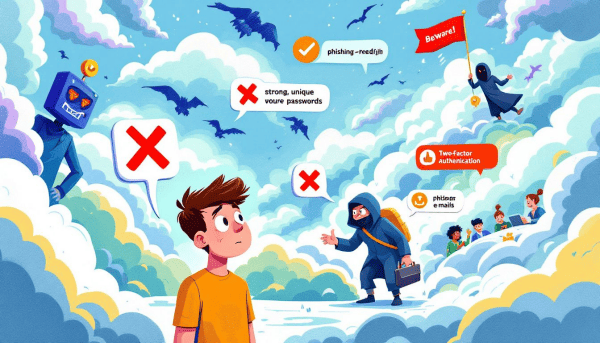
Educating clients about security practices fosters a culture of awareness, making them more vigilant about potential threats. Freelancers should never share passwords or security codes when using gig economy platforms. Choosing platforms with robust privacy policies and using hard-to-crack passwords enhances protection against identity theft.
Involve clients in security education to create a more secure working environment.
Secure Payment Methods
Selecting reputable platforms with strong security measures helps ensure safe transactions. Opt for platforms that offer biometric identity verifications for added security.
When conducting transactions, always ensure you are on a secure connection and avoid public Wi-Fi to minimize risks.
Verification Processes
Implementing robust verification methods can help establish client authenticity and protect against fraudulent activities. Biometric identity verifications and background checks are effective security steps.
Using these identity verification processes ensures that only legitimate clients engage with your services, providing an additional layer of protection against identity theft.
Summary
Protecting yourself from identity theft as a freelancer requires vigilance and proactive measures. Regularly monitor your accounts, stay alert for suspicious communications, and secure your online presence. Implementing strong, long-term prevention strategies is essential for safeguarding your identity.
By educating your clients on security practices and choosing reputable platforms, you can create a safer freelancing environment. Stay informed, stay secure, and protect your identity against the growing threat of identity theft.
Frequently Asked Questions
What immediate steps should I take if I discover identity theft?** **?
If you discover identity theft, immediately notify your financial institutions, file reports with the police and the Federal Trade Commission (FTC), and secure your online accounts by changing passwords and enabling two-factor authentication. Taking these steps promptly can help mitigate the damage.
How can I detect unauthorized transactions?** **?
To effectively detect unauthorized transactions, regularly review your bank statements and compare them with your receipts for verification. This practice helps ensure that you catch any discrepancies early on.
Why is regular credit monitoring important?** **?
Regular credit monitoring is crucial as it helps you quickly identify unauthorized inquiries or accounts, which could signal identity theft. This proactive approach allows you to take timely action to protect your financial health.
What are some best practices for secure document storage?** **?
For secure document storage, utilize locked safes for physical documents and reliable digital storage solutions that offer encryption for sensitive information. This approach ensures your important documents are protected from unauthorized access.
How can I protect myself when using public Wi-Fi?** **?
To protect yourself on public Wi-Fi, avoid sensitive transactions and always use a VPN to secure your connection. This simple precaution can significantly enhance your online security.