Best Ways to Protect Your Identity from Theft
Identity theft can cause problems. This guide explains the best ways to protect your identity. Learn about securing devices, monitoring credit reports, safeguarding information, and more.
Key Takeaways
Secure your devices and accounts with strong, unique passwords, two-factor authentication, and up-to-date software to prevent unauthorized access.
Regularly monitor credit reports and bank statements to detect suspicious activity early and take immediate action against potential identity theft.
Limit the sharing of personal and financial information online and be cautious of phishing scams to protect against identity theft.
Secure Your Devices and Online Accounts
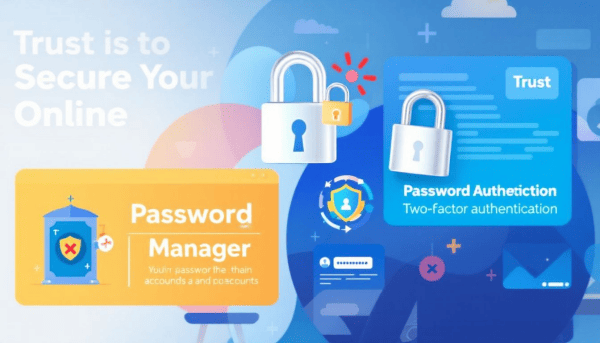
Securing your devices and online accounts is vital for protecting your identity. Identity thieves often exploit weak passwords and unsecured devices to access personal and financial information. Strong, unique passwords for each account can prevent many identity theft incidents.
Passwords should be at least 14 characters long, mixing uppercase and lowercase letters, numbers, and symbols. Reusing passwords across multiple accounts increases the risk of unauthorized access. A password manager can help you keep track of your login credentials securely.
Two-factor authentication (2FA) enhances online account security by requiring a second form of verification, like a code sent to your phone, in addition to your password. An authenticator app can further safeguard your accounts from potential compromises.
Keep your software and antivirus programs up to date to protect your devices from vulnerabilities that hackers might exploit. Enabling automatic updates ensures your devices always have the latest security patches.
Monitor Your Credit Reports Regularly
Regularly monitoring your credit reports helps detect suspicious activity early, potentially preventing identity theft. Annualcreditreport.com offers a free credit report yearly from the three major credit bureaus, enabling you to track changes in your credit history and catch issues early.
Parents should also periodically check if their child has a credit report and consider freezing their credit to prevent identity theft. Signs of identity theft include unexpected changes in credit scores, unrecognized accounts, and debt collection notices, which can be identified through regular monitoring.
Reviewing your bank account statements and credit card statements regularly is equally important. Unfamiliar transactions can be early indicators of fraud. Vigilance with your financial accounts allows for early detection and swift action. Additionally, keeping track of your bank statements can help maintain financial awareness, especially when considering the policies of credit card issuers.
Safeguard Personal and Financial Information
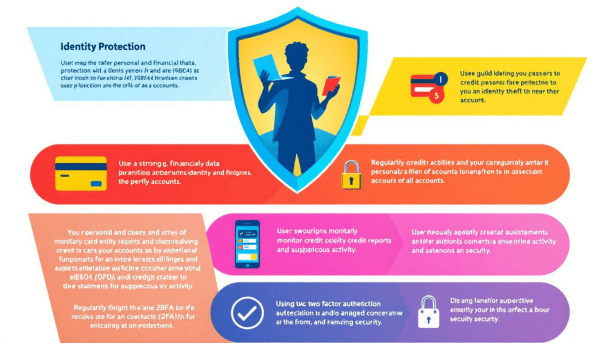
Identity thieves often target personal and financial details, such as credit card numbers and Social Security numbers. Commonly stolen information includes names, addresses, bank account numbers, and medical insurance account numbers. Protecting these details helps prevent identity theft.
Share sensitive information only when necessary and be cautious about disclosing it via email, social media, or text messages. Store or shred paperwork containing your Social Security number securely. Cross-shredding documents like receipts and credit card offers before disposal protects personal information.
A PO Box can improve the security and privacy of your mail. Keeping your financial institutions updated with address changes reduces the risk of identity theft.
Safeguarding personal and financial information is crucial for protecting against identity theft. These precautions can significantly lower the risk of identity theft.
Be Vigilant Against Phishing and Scams
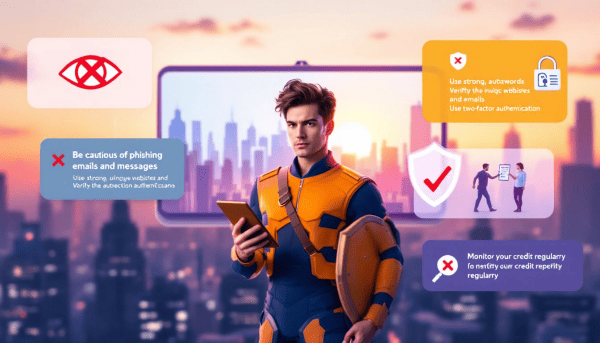
Phishing scams are a common tactic used by identity thieves to steal personal and financial information, often presenting urgent issues to prompt immediate action. Fraudulent emails can direct individuals to fake websites designed to capture sensitive data.
Legitimate organizations don’t ask for personal information through unsolicited communications. Only share sensitive details over the phone, by mail, or online with trusted parties. Use verified contact methods to confirm the legitimacy of requests when in doubt.
Verify callers asking for personal information by checking their organization’s official website. Avoid clicking on links in suspicious emails to prevent malware infections. Cybercriminals can create fake networks resembling legitimate public Wi-Fi, so always be cautious and double-check the authenticity of any communication requesting personal or financial information.
Limit What You Share on Social Media
Oversharing on social media can make you an easy target for identity thieves. Information like your exact location, vacation plans, and other sensitive data shared online can be used to steal your identity.
Make your social media profiles private to restrict public access. Use privacy controls to limit who can see your information and think carefully before posting sensitive content. Adjust privacy settings to ensure only trusted friends and family can view your personal details.
Use Identity Theft Protection Services
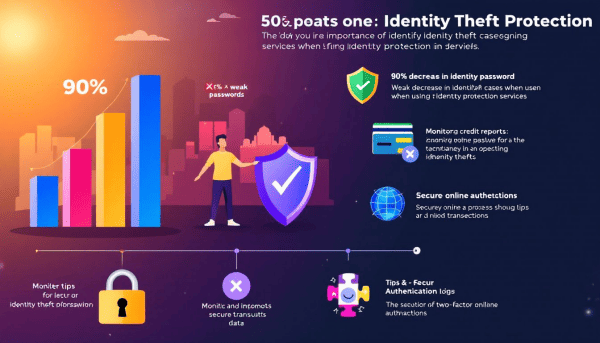
Identity theft protection services add an extra layer of security by monitoring your credit and alerting you to unusual activity. These services often include credit monitoring, alert notifications, and assistance in recovering lost funds.
Credit monitoring services help you track changes in your credit report and receive alerts for suspicious activity, such as new inquiries or accounts. Some providers also monitor the dark web for stolen personal data.
Compare different identity theft protection services to ensure they monitor all three major credit bureaus for comprehensive protection. Many plans offer up to $1 million in insurance coverage for recovery costs. Selecting a reputable company for identity theft protection provides peace of mind and helps you stay vigilant.
Protect Your Mail and Documents
Securing your mail and documents is important in preventing identity theft. Use a lock on your mailbox to prevent thieves from accessing your mail and place outgoing mail in secure collection boxes.
USPS Informed Delivery lets you digitally preview your incoming mail and monitor for unusual activity. Retrieve your mail promptly to keep sensitive documents from being exposed. During vacations, put a hold on your mail with the local Post Office to prevent theft.
Store important documents securely at home and work. Shredding documents before disposal effectively protects personal information. These precautions can significantly reduce the risk of identity theft.
Be Cautious with Public Wi-Fi
Public Wi-Fi can expose your personal data to potential interception. Avoid accessing bank accounts or making online purchases over public networks.
A virtual private network (VPN) encrypts your internet connection, adding security. Always log out of accounts and forget the network after using public Wi-Fi to reduce unauthorized access risks.
Report Suspicious Activity Immediately
If you suspect identity theft, report it immediately. File a report with the Federal Trade Commission (FTC) at IdentityTheft.gov. Visit ReportFraud.ftc.gov to report fraud or scams.
File a police report, put a fraud alert on your credit reports, and close any fraudulent accounts. Placing a fraud alert with credit bureaus helps mitigate risks from disclosed sensitive information. You may need to provide an FTC identity theft report, photo ID, and proof of theft for verification.
Educate Yourself and Your Family
Educating yourself and your family about identity theft is vital. IdentityTheft.gov assists individuals in reporting and recovering from identity theft. Teach children about online privacy and encourage them to avoid sharing personal information.
Synthetic identity theft involves creating fake identities using a child’s Social Security number combined with other false information. Reporting phishing attempts to the Federal Trade Commission helps combat identity theft. Consumers can find checklists and sample letters for reporting identity theft at IdentityTheft.gov.
Summary
In conclusion, protecting your identity requires vigilance and proactive measures. By securing your devices, monitoring your credit, safeguarding your personal information, and staying informed, you can significantly reduce your risk of identity theft. Take these steps seriously and stay vigilant to protect yourself from identity theft.
Frequently Asked Questions
How often should I monitor my credit reports?
You should monitor your credit reports from the three major bureaus at least once a year to stay informed about your credit health. Regular checks can help you catch errors or signs of identity theft early.
What should I do if I receive a suspicious email?
If you receive a suspicious email, do not click on any links or share personal information. Instead, verify its legitimacy by contacting the organization directly through official channels.
How can I protect my mail from identity thieves?
To safeguard your mail from identity thieves, secure your mailbox with a lock, utilize USPS Informed Delivery to keep track of your mail, and always shred sensitive documents before disposal. Taking these steps is essential for protecting your personal information.
What is the benefit of using identity theft protection services?
Using identity theft protection services enhances your security by offering credit monitoring, alerts for unusual activity, and support in recovering lost funds. This proactive approach minimizes the risks associated with identity theft.
Why is it important to educate my family about identity theft?
Educating your family about identity theft is crucial as it empowers them to understand online privacy and safeguard their personal information, reducing the risk of becoming victims. This knowledge fosters a proactive approach to protecting against potential threats.