
How Peer to Peer Lending for Credit Building Can Improve Your Score
Peer-to-peer lending can help you build your credit score by providing an alternative way to access funds and demonstrate financial responsibility. By borrowing and repaying a P2P loan on time, you can enhance your credit profile and open doors to better financial opportunities. In this article, we’ll cover how peer to peer lending for credit building works, its benefits for credit building, and steps to make the most out of this option.
Key Takeaways
Peer-to-peer (P2P) lending connects borrowers directly with individual investors, providing competitive loan terms and opportunities for those with limited credit histories.
Managing P2P loans responsibly by making timely payments can significantly improve credit scores, benefiting future financial opportunities and overall credit profiles.
Choosing the right P2P platform is crucial, as it should report to credit bureaus and align with the borrower’s financial needs to enhance credit-building efforts.
Understanding Peer to Peer Lending
Peer-to-peer lending is a financial innovation that connects borrowers directly with individual investors, bypassing the traditional banking system. This method, also known as social lending or crowd lending, has gained popularity as an alternative to conventional loans offered by banks and credit unions. Online lending platforms make P2P lending a more streamlined and accessible way to obtain funds.
Unlike traditional lending, where financial institutions act as intermediaries, P2P lending allows borrowers to request loans directly from individual investors. This direct connection often results in more competitive loan terms and interest rates, especially for those with a solid credit history. Additionally, P2P lending provides an opportunity for individuals with limited credit histories to secure loans that might otherwise be unattainable through traditional channels.
What Is Peer to Peer Lending?
At its core, peer-to-peer lending is a method of financing that connects individual lenders with borrowers through online platforms. This innovative approach is sometimes referred to as social lending or crowd lending, emphasizing the communal and collaborative nature of the process. Borrowers can seek funds directly from individual investors, effectively bypassing traditional financial institutions like banks and credit unions.
The main characteristic that sets peer-to-peer loans apart is that the funding comes from individual lenders rather than institutions. This model allows borrowers to potentially access better loan terms and interest rates, as the overhead costs associated with traditional lending are significantly reduced. Online lending platforms play a crucial role in this process, acting as intermediaries that facilitate the connection between borrowers and lenders.
For potential borrowers, the process begins with creating an account on a P2P platform and submitting a loan application. These platforms often have varying criteria for approving loans, making it essential to choose one that aligns with your financial profile and needs.
How Does Peer to Peer Lending Work?
The process of peer-to-peer lending starts with borrowers submitting an application through an online lending platform. These platforms assess the applications to determine eligibility, often using automated systems to expedite the approval process. Once approved, the loan request is listed on the platform, where individual investors can review and bid on the loan by offering amounts they are willing to lend and setting interest rates.
One of the key advantages of P2P lending is the speed and efficiency of the process. Unlike traditional banks, which can take weeks to approve a loan, P2P platforms can often approve and fund loans within days. After the loan is fully funded by investors, the money is typically deposited into the borrower’s bank account, and the repayment process begins. Borrowers are required to make regular repayments as outlined in the loan agreement, which include both principal and interest.
The interest rates offered on P2P loans are usually determined by the borrower’s creditworthiness, which is assessed during the application process. This means that borrowers with higher credit scores are likely to receive more favorable terms. The repayment periods for P2P loans typically range from 36 to 60 months, providing borrowers with a clear timeline for repayment.
Investors play a crucial role in the P2P lending ecosystem. By bidding on loan listings, they diversify their investment portfolios and potentially earn higher returns compared to traditional investment avenues. The P2P platform manages the entire process—from loan origination to repayment—ensuring that both borrowers and lenders have a seamless experience.
The Role of Peer to Peer Lending in Credit Building
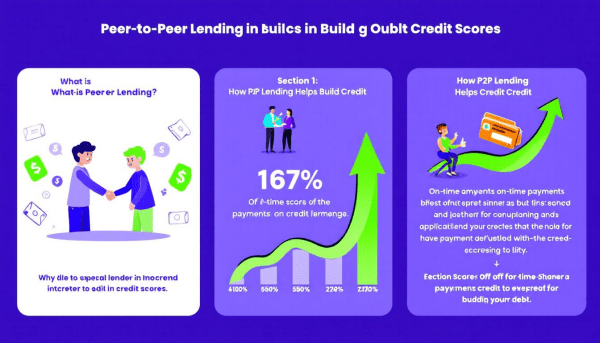
Peer-to-peer lending offers a unique pathway for individuals looking to build or improve their credit scores. By responsibly managing a P2P loan, borrowers can demonstrate their ability to handle debt, which is a crucial factor in credit scoring models. This alternative lending method is particularly beneficial for those with limited credit histories or lower credit scores, providing an opportunity to access funds and build a positive credit profile.
Success stories abound of individuals who have leveraged P2P loans to enhance their credit ratings. Consistent, on-time payments can significantly improve borrowers’ credit scores, paving the way for better financial opportunities in the future. The key is to manage the loan responsibly and use it as a stepping stone toward financial stability.
Impact on Credit Scores
Peer-to-peer lending can have a significant effect on credit scores. Its impact can be quite profound. For instance, a student who used a P2P loan for educational expenses and made timely payments saw a notable improvement in their credit profile, eventually securing future financing for a car. Another student built a positive credit history by consistently paying off their P2P loan, which covered their education costs. These examples highlight how responsible borrowing and timely repayments can lead to a robust credit profile.
On the flip side, failing to make timely payments on a P2P loan can have detrimental effects on your credit score. Each late or missed payment is reported to credit bureaus, negatively impacting your credit history and score. Therefore, it’s crucial to manage P2P loans carefully, as they offer a significant opportunity to improve your credit standing through positive financial behavior.
Engaging in peer-to-peer lending is not just about obtaining funds; it’s also an opportunity to demonstrate financial responsibility. Consistent, on-time repayments are key to enhancing your credit score, which can have long-term benefits for your financial health. If you are in a position to lend money, it can also help others improve their financial situations.
Comparing Peer to Peer Loans with Traditional Loans
When comparing peer-to-peer loans with traditional loans, several differences stand out.
P2P loans often offer less flexibility than traditional bank loans, which can be a drawback for some borrowers.
However, for individuals with limited credit histories or lower credit scores, P2P platforms may provide more accessible borrowing options.
Traditional lenders typically have higher minimum credit score requirements, which can limit opportunities for those with lower credit ratings.
The eligibility criteria for P2P loans can vary significantly between platforms. Some P2P lending platforms cater specifically to borrowers with limited credit histories, offering them a chance to secure loans that might be out of reach through traditional financial institutions. This inclusivity makes P2P lending an attractive option for many potential borrowers.
Another key difference lies in the repayment terms. Peer-to-peer loans generally have fixed repayment periods, ranging from 36 to 60 months, which provides borrowers with a clear timeline for repaying their debt. In contrast, traditional loans may offer more varied terms and potentially more flexible repayment options. Understanding these differences can help borrowers make informed decisions about which type of loan best suits their needs and financial situation.
Steps to Using Peer to Peer Lending for Credit Building
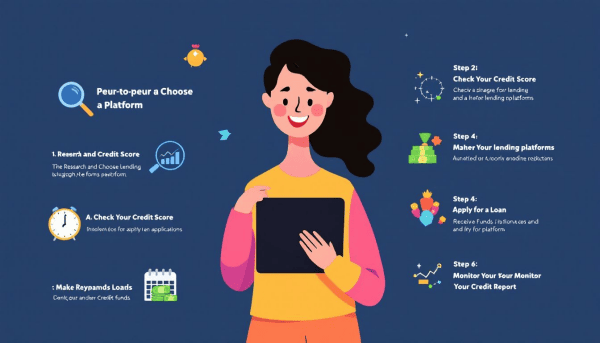
Using peer-to-peer lending to build credit involves several strategic steps. It starts with choosing the right P2P platform, applying for a loan, and then managing loan payments effectively.
Each of these steps is crucial to ensuring that borrowing through P2P lending contributes positively to your credit score.
Choosing the Right P2P Platform
Selecting the right P2P platform is a critical first step. Look for platforms that report to credit bureaus, as this is essential for building credit. Evaluate each platform’s loan offerings, fee structures, and customer support before making a decision. Factors such as the platform’s track record, reputation, borrower screening processes, default rates, transparency, and fees should all be considered.
Unlike traditional banks, P2P lenders may have more varied criteria, including higher minimum credit score requirements. This means that finding the right platform that matches your financial profile and needs can significantly impact your borrowing experience and credit-building efforts.
Doing thorough research and reading reviews can help you choose a platform that aligns with your financial goals and provides a seamless borrowing experience.
Applying for a Peer to Peer Loan
Once you’ve chosen a platform, the next step is to apply for a loan. This typically involves visiting the platform’s website or app to create an account and complete an online application form. Documentation generally required includes proof of income, identity verification, and financial information. It’s advisable to check your credit reports and credit scores before applying to ensure you’re in the best position.
The application process may trigger a hard inquiry on your credit report, which can temporarily affect your credit score. However, if approved, the loan can provide a significant boost to your credit if managed responsibly. During the application process, lenders may also require verification of your identity and financial status.
Meeting all requirements and providing accurate information can streamline the application process and increase your chances of approval.
Managing Loan Payments
Managing loan payments effectively is crucial for maximizing the benefits of P2P lending on your credit score. Consistently monitoring your loan payments and statuses helps maintain a positive credit profile. Setting reminders or automated payments can help avoid missed payments, which negatively impact your credit.
Timely and consistent loan payments showcase responsible financial behavior, a key factor in improving your credit score. Setting up automatic payments from your bank account can ensure that you never miss a payment, thereby enhancing your creditworthiness.
Effective loan management not only helps in maintaining a positive credit profile but also paves the way for future financial opportunities.
Types of Peer to Peer Loans Suitable for Credit Building
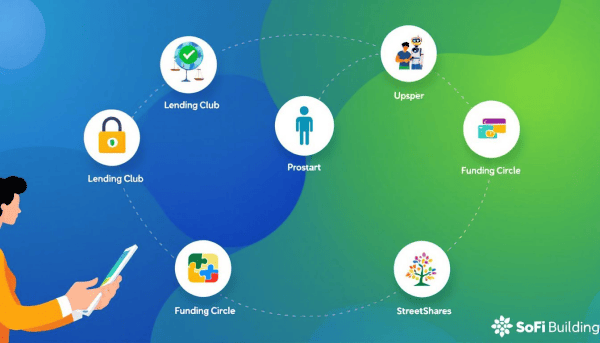
Peer-to-peer lending offers a variety of loan types that can be suitable for credit building. These include personal loans, business loans, and student loans. Each type of loan has its own benefits and can be used strategically to improve credit scores.
Personal Loans
Personal loans from P2P platforms are a popular choice for consolidating debt and improving credit scores. For example, one borrower used a peer-to-peer personal loan to consolidate multiple high-interest debts into one manageable loan, significantly reducing their monthly payments and interest rates. This consolidation not only streamlined their repayment process but also led to a better credit utilization ratio and improved credit standing.
Consolidating debts through P2P loans can simplify your financial obligations by converting several payments into one. This approach can lower your overall interest costs, making it easier to manage your debt and avoid missed payments. By reducing the number of outstanding debts, you can also improve your credit utilization ratio, which is a key factor in your credit score.
The flexibility and accessibility of personal loans from P2P platforms make them an effective tool for those looking to improve their credit scores while managing their personal finance obligations more efficiently.
Business Loans
Peer-to-peer business loans are an excellent option for small business owners seeking funding. For instance, a small business owner obtained a P2P loan to cover operational costs and fund expansion. This financial boost led to increased revenue and improved business performance, which positively impacted the owner’s creditworthiness.
By using a P2P business loan for growth initiatives, small business owners can enhance their business operations, leading to better cash flow and financial stability. Timely repayment of these loans can also improve the business owner’s personal credit score, offering dual benefits for both personal and professional financial health.
Student Loans
Peer-to-peer student loans provide a valuable resource for students seeking financial assistance for their education. These loans can cover various educational expenses, including tuition and living costs, making them a flexible option for students. Responsible management and timely payments of these loans help students build a positive credit history.
For example, one student used a peer-to-peer loan to finance their education and consistently made on-time payments, successfully building a solid credit profile during their studies. This responsible borrowing behavior not only supported their educational goals but also laid the foundation for future financial opportunities.
Using P2P student loans effectively allows students to gain valuable qualifications while enhancing their credit scores, providing long-term benefits for their financial health.
Benefits and Drawbacks of Using Peer to Peer Lending for Credit Building
Peer-to-peer lending offers several benefits and drawbacks that potential borrowers should consider. Knowing these pros and cons aids in making informed decisions about using P2P loans for credit building.
Benefits
One of the primary benefits of P2P lending is the easier access to funds compared to traditional lending methods. Borrowers can obtain money for various needs without facing the stringent requirements of conventional banks. Additionally, P2P platforms often offer more appealing interest rates, especially for individuals with strong credit histories, making it an attractive option.
Timely repayments on peer-to-peer loans can lead to gradual improvements in credit scores, with many borrowers reporting significant boosts within a few months. This positive impact on credit scores can open the door to better financial opportunities, such as lower interest rates on future loans and improved credit terms.
Drawbacks
However, there are also drawbacks to consider. Individuals with poor credit ratings may encounter higher interest rates or may even be denied a loan altogether. The possibility of borrower defaults poses a significant risk, leading to potential financial loss for investors and higher costs for borrowers. Additionally, P2P loans do not offer the same protections as traditional bank loans, which can be a disadvantage for some borrowers.
Higher interest rates are often charged to borrowers in peer-to-peer lending compared to traditional banks, particularly for those with lower credit scores. This can increase the overall cost of borrowing and make it more challenging to manage loan repayments. Furthermore, taking on excessive loans can lead to financial distress and negatively impact credit scores.
Understanding these risks is crucial for borrowers to make informed decisions and avoid potential pitfalls associated with P2P lending.
Common Mistakes to Avoid When Using Peer to Peer Lending for Credit Building
Using peer-to-peer lending for credit building can be highly effective if done correctly. However, there are common mistakes that borrowers should avoid to ensure a positive outcome.
These include missing payments and overborrowing.
Missing Payments
One of the most critical mistakes to avoid is missing loan payments. Failure to make timely payments can lead to additional fees and legal actions, including the possibility of a County Court Judgment against the borrower. Each missed payment may incur a fee, which can significantly increase the cost of the loan and negatively impact your credit score. For example, the late fee for missing a payment on a peer-to-peer personal loan can be 5% of the monthly payment or $15, whichever is greater.
Consider setting up automatic payments or reminders to avoid missing payments. This ensures that you stay on top of your loan repayments and maintain a positive credit history.
Overborrowing
Overborrowing is another common mistake that can lead to financial strain and potential default. Taking on more debt than you can afford to repay can create a cycle of borrowing to cover existing debts, leading to continuous missed payments and further harm to your credit score. High levels of debt relative to your income can trigger alarm bells with credit bureaus, resulting in a reduction in credit scores.
Avoid overborrowing by creating a budget, monitoring debt levels, and borrowing only what you can realistically repay. This disciplined approach can help you maintain financial stability and improve your creditworthiness over time.
Success Stories: Real-Life Examples of Credit Building Through Peer to Peer Lending
Success stories provide powerful examples of how peer-to-peer lending can be used effectively for credit building.
These real-life examples illustrate the positive impact of responsible borrowing and timely repayments.
Case Study 1
One borrower initially had multiple high-interest debts from credit card debt and personal loans. They decided to obtain a personal loan through peer-to-peer lending to consolidate their debts into one single, more manageable loan.
After researching various platforms, the borrower applied for a personal loan and was successfully funded within a week. Post consolidation, they noticed a significant decrease in their monthly payments, improved credit score, and enhanced financial stability.
Case Study 2
A small business owner accessed a peer-to-peer loan to fund business expansion. This financial injection not only boosted their business but also positively impacted their personal credit score.
The expansion led to improved business performance, which in turn enhanced the owner’s credit standing.
Case Study 3
A student financed their education through a peer-to-peer student loan. They engaged with a P2P lending platform to secure the necessary funds. By making timely payments, the student successfully built a solid credit profile during their studies.
Ultimately, they gained valuable qualifications while enhancing their credit score through responsible borrowing.
Summary
Peer-to-peer lending offers a viable alternative to traditional loans, providing opportunities to build or improve your credit score through responsible borrowing and timely repayments. From personal loans to business and student loans, P2P lending caters to various needs and financial situations. Selecting the right platform, managing loan payments effectively, and avoiding common pitfalls such as missing payments and overborrowing are crucial steps in leveraging P2P loans for credit building.
While P2P lending presents several advantages, including easier access to funds and potentially better interest rates, it also comes with risks such as higher fees and the lack of traditional loan protections. By understanding these pros and cons and learning from real-life success stories, you can make informed decisions and use P2P lending as a powerful tool to enhance your financial health and creditworthiness.
Frequently Asked Questions
What is peer-to-peer lending?
Peer-to-peer lending connects individual lenders directly with borrowers via online platforms, eliminating the need for traditional banks or financial institutions. This method facilitates more flexible financing options for both parties involved.
How does peer-to-peer lending affect my credit score?
Timely repayments on peer-to-peer loans can positively influence your credit score, reflecting responsible financial management. Make sure to stay consistent with your payments to maximize this benefit.
What types of loans are available through peer-to-peer lending?
Peer-to-peer lending provides options such as personal loans, business loans, and student loans, catering to diverse borrowing needs. Consider your specific requirements when exploring these alternatives.
What are the risks of using peer-to-peer lending?
The risks of using peer-to-peer lending include higher interest rates for borrowers with poor credit, the potential for defaults, and the absence of traditional loan protections. It's crucial to carefully assess these risks before proceeding.
How can I avoid common mistakes when using peer-to-peer lending?
To avoid common mistakes in peer-to-peer lending, make timely loan payments, avoid overborrowing, and select a platform that reports to credit bureaus. These practices will help maintain your financial health and score.