
Top Ways How Volunteer Programs Help Build Credit and Improve Financial Health
Volunteer programs can help build credit by providing financial education, credit-building resources, and opportunities to participate in financial activities. This article will explain how volunteer programs help build credit and improve your credit score in practical ways.
Key Takeaways
Volunteering significantly enhances financial literacy and can lead to improved credit scores through various educational initiatives and direct services.
Programs like the Peace Corps and AmeriCorps offer financial benefits, including loan deferment and educational awards, which help participants manage their credit and reduce debt.
Engagement in volunteer work not only develops essential financial management skills but also opens networking opportunities that can enhance career prospects and financial stability.
Understanding the Link Between Volunteering and Credit Building

Volunteering goes beyond the immediate gratification of helping others – it can also lead to significant financial benefits. Volunteer work can substantially increase self-esteem, positively impacting financial well-being. Higher self-esteem can lead to improved financial habits and decision-making, ultimately affecting credit scores.
But how exactly does this work? The link between volunteering and credit building is multifaceted, encompassing various initiatives and programs designed to foster financial literacy and stability. Volunteer programs often incorporate financial education initiatives, CRA qualifying activities, and direct credit-building services.
Together, these elements equip volunteers with the knowledge and resources to manage finances more effectively. From learning how to budget and save to accessing financial resources and networking opportunities, the benefits of volunteering extend far beyond the immediate act of giving back. Participation in these programs helps volunteers improve credit scores, enhance credit reports, and secure a more stable financial future.
Financial Education Initiatives
Financial education is a fundamental component of many volunteer programs and plays a key role in credit building. Local nonprofits often provide volunteer roles that enhance financial literacy, further supporting personal credit improvement. These organizations often provide workshops on credit management and financial literacy, giving volunteers the tools to make informed financial decisions. By participating in these educational initiatives, volunteers gain valuable insights into budgeting, saving, and managing debts, all of which are essential for maintaining good credit health.
Volunteering helps develop essential financial new skills. Through hands-on experience, volunteers learn effective budgeting techniques and saving strategies that support their financial health.
Connections made through volunteering often provide access to financial resources that aid in debt management and credit score improvement. This holistic approach to financial education equips volunteers to build and maintain strong credit profiles.
Community Reinvestment Act (CRA) Qualifying Activities
The Community Reinvestment Act (CRA) plays a pivotal role in revitalizing lower-income communities through lending requirements for banks, enacted in 1977. CRA-qualifying volunteer activities allow financial institutions to engage in community development and support individual credit-building efforts. Banks fulfill CRA requirements through employee volunteer programs, encouraging community engagement and enhancing credit opportunities. Partnerships now include community colleges, small business programs, and housing providers, creating more opportunities for credit-building through CRA initiatives.
Volunteers play a vital role in affordable housing projects by offering financial expertise and services to residents. These projects not only support community development but also help reduce homelessness, further stabilizing local economies.
Participation in CRA qualifying activities allows volunteers to access credit-building loans and demonstrate creditworthiness while contributing to community service. This dual benefit of personal credit improvement and community enhancement underscores the importance of CRA initiatives in volunteer programs.
Direct Credit-Building Services
Certain volunteer programs provide direct services aimed at credit building, offering tailored advice on managing credit profiles. Personalized credit counseling sessions give volunteers the guidance they need to establish or improve their credit scores. These sessions typically cover strategies for managing debts, understanding credit reports, and making informed financial decisions. Participation in these programs enables volunteers to take proactive steps to improve their credit health.
Besides counseling, some volunteer programs provide structured financial support to help manage loans and improve credit scores. For example, volunteers may receive assistance with managing student loans, accessing lower interest rates, and obtaining credits to build their financial standing. Direct credit-building services offer a solid framework for volunteers to enhance their financial health while participating in community service.
Volunteer Programs Offering Credit Benefits

Several volunteer programs offer unique benefits that aid in credit building. Participation in these programs grants volunteers access to financial incentives like grants, discounts, and educational awards, aiding in debt reduction and credit score improvement. These benefits not only assist in financial management but also provide a pathway to better credit health. Programs like the Peace Corps and AmeriCorps are well-known for their financial incentives, including loan deferment and educational awards, which support credit improvement efforts.
Local nonprofits and community organizations also play a crucial role in supporting credit-building efforts by offering volunteer opportunities. These organizations provide financial education workshops, credit-building loans, and other resources that help volunteers manage their finances more effectively. By engaging in these volunteer programs, individuals can enhance their financial literacy, access valuable resources, and improve their credit standing.
Peace Corps
The Peace Corps is a prominent volunteer program that offers significant financial benefits to its participants. Volunteers with the Peace Corps can qualify for deferment on federal student loans during their service. This deferment can positively influence their credit scores by reducing outstanding liabilities and providing financial relief. Engaging in the Peace Corps not only allows individuals to serve communities around the world but also offers long-term benefits for their financial health.
Moreover, loan deferment options through the Peace Corps can improve credit scores for volunteers during their service. By pausing loan payments, volunteers can focus on their service without the burden of immediate financial obligations. This financial relief helps maintain or potentially improve credit scores, providing a solid foundation for future financial stability.
AmeriCorps
Before: AmeriCorps is another volunteer program that offers substantial financial benefits to its members. AmeriCorps participants can earn education awards that apply towards student loans, aiding in better credit management upon completion of their service. These educational awards provide a valuable resource for paying down student loans, which can positively impact the financial standing of its members. AmeriCorps also offers loan forbearance during service, enabling participants to pause student loan payments.
After: AmeriCorps is another volunteer program that offers substantial financial benefits to its members. Participants can benefit from:
Education awards that apply towards student loans, aiding in better credit management upon completion of their service
Valuable resources for paying down student loans, positively impacting their financial standing
Loan forbearance during service, enabling participants to pause student loan payments
Participation in AmeriCorps provides the dual benefits of educational awards and loan forbearance, supporting credit management and improvement. These financial incentives make AmeriCorps an attractive option for individuals looking to enhance their financial health while engaging in meaningful community service.
Local Nonprofits and Community Organizations
Local nonprofits and community organizations are vital in supporting credit-building efforts through volunteer programs. Organizations such as Habitat for Humanity and local food banks provide volunteer opportunities that positively influence participants’ credit-building journeys. These programs often include financial education workshops that equip volunteers with the knowledge and tools to manage their credit and finances effectively.
Engaging in volunteer activities with local nonprofits enhances individual financial literacy and strengthens community ties. These organizations play a crucial role in providing resources and support for credit improvement, helping volunteers build a more secure financial future while contributing to community development.
How Volunteering Can Improve Financial Management Skills

Volunteering is not just about giving back; it’s also an excellent way to develop essential financial management skills. Volunteering offers firsthand experience in financial planning, budgeting, and effective communication, all essential for financial literacy. These skills are invaluable for personal finance management and can lead to better financial health and credit improvement.
The combination of developed skills and networking opportunities through volunteering significantly contributes to improved financial health. Practicing budgeting and financial planning in a volunteer setting enhances individuals’ ability to manage personal finances effectively. This hands-on experience is complemented by the professional skills gained, which can open doors to better employment opportunities and support credit improvement.
Budgeting and Saving Strategies
Volunteering provides individuals with practical experience in developing financial management skills crucial for effective budgeting. These experiences enable volunteers to create and adhere to budgeting and saving plans that support financial health and credit maintenance.
By engaging in volunteer programs, individuals can access additional financial resources and tools that enhance their budgeting efforts. This combination of newly acquired budgeting skills and access to financial resources helps volunteers maintain and improve their credit standing.
Access to Financial Resources
Through volunteering, individuals gain access to various financial resources that aid in managing debt and improving credit scores. These resources include financial literacy workshops, credit-building loans, and tools for debt management. Leveraging these resources enables volunteers to manage finances more effectively and work towards better credit health.
This access to financial resources is a significant benefit of volunteering, providing individuals with the support they need to improve their financial standing.
Networking and Career Prospects
Engaging in volunteer work opens doors to networking opportunities that can enhance career prospects and lead to financial stability. Volunteering creates connections with professionals that can lead to job opportunities and improved financial security.
These networking opportunities are invaluable for building a strong social network that supports credit improvement and financial health. Participation in volunteer activities enhances career prospects and contributes to better financial stability.
Tracking Volunteer Hours for CRA Compliance
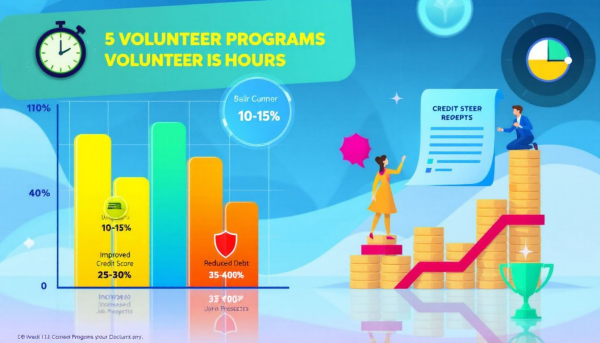
Accurate tracking of volunteer hours is vital for reporting and identifying compliance opportunities for banks. Banks need to track volunteer hours to comply with CRA requirements and improve evaluations. Accurate tracking systems enhance the chances of receiving CRA credits during evaluations, demonstrating community engagement efforts and meeting regulatory standards.
Proper documentation of volunteer services is essential for proving CRA compliance and managing volunteer programs effectively.
Implementing Tracking Systems
Effective tracking systems simplify data capture for CRA compliance. Quality software can streamline the reporting process, ensuring timely and accurate submissions to regulators. Implementing robust tracking systems helps organizations efficiently manage volunteer hours and meet CRA requirements.
These systems offer a comprehensive solution for documenting volunteer activities and ensuring regulatory compliance.
Software Solutions for Efficient Tracking
Bonterra CSR’s solution allows real-time monitoring of volunteer activities and offers critical data for compliance. This software reduces reliance on multiple spreadsheets, which may not meet regulatory requirements. Specialized software for volunteer tracking streamlines processes and improves reporting accuracy.
These software solutions play a crucial role in ensuring that organizations can meet compliance standards and effectively manage their volunteer programs.
Unique Benefits of Volunteering for Credit Building
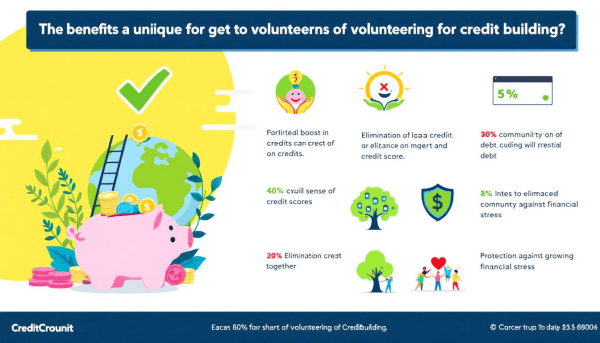
Volunteering offers unique benefits that aid in credit building and enhance overall financial well-being. The sense of community fostered through volunteering positively influences financial health. Volunteer contributions strengthen community ties and create a supportive environment for credit building.
These combined benefits create an environment conducive to credit building and to build credit financial stability.
Loan Payments and Forbearance
Certain volunteer programs may provide financial relief options, allowing participants to defer loan payments during their service. This forbearance period can significantly reduce financial stress for volunteers, enabling them to focus on their service without the burden of immediate loan payments. Pausing loan obligations allows volunteers to better balance their finances, positively impacting credit scores.
Additionally, loan forbearance helps borrowers manage their debt more effectively. Less financial pressure during the volunteer period can result in more consistent and timely post-service payments, crucial for maintaining and improving credit scores. This deferred payment option is a valuable benefit for volunteers looking to manage their debts while contributing to meaningful causes.
Discounts and Grants
Numerous volunteer programs offer financial discounts and grants to help participants manage debt and improve credit. For instance, Peace Corps volunteers benefit from loan deferment during their service, while AmeriCorps members can earn educational awards that can be used to pay down student loans. These incentives alleviate immediate financial burdens and contribute to long-term credit health.
These programs frequently offer additional resources like lower interest rates and tools for effective financial management. Utilizing these benefits helps volunteers reduce debt, improve credit scores, and build a stable financial foundation. The combination of discounts, grants, and financial education creates a holistic approach to credit improvement.
Enhanced Community Impact
Volunteering links individuals to resources that aid in debt management and credit score improvement. Local nonprofits and community organizations create volunteer programs contributing directly to community development and improved financial health. These programs provide financial education and foster stronger community ties, potentially leading to better job prospects and financial stability.
Tracking volunteer hours is crucial for CRA compliance, ensuring volunteer work contributes to community enhancement and financial support. This tracking demonstrates the impact of volunteer activities on both individual and community financial health, highlighting the broader economic benefits of enhanced community impact.
Summary
Volunteering offers a unique pathway to not only give back to the community but also to improve personal financial health. Through financial education initiatives, CRA qualifying activities, and direct credit-building services, volunteers gain valuable skills and resources that enhance their credit scores and overall financial well-being. Programs like the Peace Corps and AmeriCorps provide substantial financial benefits, including loan deferment and educational awards, which support credit improvement efforts.
By participating in volunteer programs, individuals can develop essential financial management skills, access critical financial resources, and expand their professional networks. These experiences contribute to better budgeting, effective debt management, and improved career prospects, all of which are crucial for maintaining good credit health. Embracing the unique benefits of volunteering can create a supportive environment for credit building and long-term financial stability.
Frequently Asked Questions
How does volunteering help build credit?
Volunteering can improve your credit by offering financial education and access to resources that help in managing debts. Programs such as the Peace Corps and AmeriCorps also provide loan deferment and educational awards, which can positively impact your credit score.
What are CRA qualifying activities, and how do they help with credit building?
CRA qualifying activities are volunteer efforts that meet the requirements of the Community Reinvestment Act and help foster community development. By engaging in these activities, individuals can enhance their financial literacy and resource access, thereby improving their credit-building opportunities.
How can financial education initiatives through volunteering improve credit scores?
Financial education initiatives through volunteering can significantly improve credit scores by equipping individuals with essential knowledge on credit management, budgeting, and saving. This informed approach enables better financial decisions, leading to healthier credit profiles.
What financial benefits do volunteer programs like AmeriCorps and Peace Corps offer?
Volunteer programs like AmeriCorps and Peace Corps provide significant financial benefits, including educational awards, loan forbearance, and loan deferment options. These incentives aid volunteers in managing their debts and enhancing their credit scores.
How can tracking volunteer hours benefit both volunteers and organizations?
Tracking volunteer hours benefits both volunteers and organizations by ensuring compliance with regulations and enhancing community engagement efforts. This practice not only supports organizational credibility but also helps volunteers feel valued for their contributions.