Top Budget Tips for Smart Savings and Spending
Looking for practical budget tips to manage your finances better? This article will provide you with straightforward advice to help you save money, track your spending, and work towards your financial goals.
Key Takeaways
Understanding your monthly income, including all sources and averaging variable incomes, is crucial for accurate budgeting.
Tracking spending habits and categorizing expenses allow for identifying saving opportunities and making informed financial decisions.
Setting clear financial goals and creating a detailed budget plan helps prioritize needs, wants, and savings, ensuring disciplined financial management.
Know Your Monthly Income

The cornerstone of any effective budget is knowing your net income. This means your take-home pay after deductions for taxes, benefits, and other withholdings. Only after-tax income is relevant for planning your expenses, so make sure you’re starting with an accurate figure. If you’re paid bi-weekly, a simple way to calculate your monthly income is to multiply your take-home pay by 26 and then divide by 12.
Don’t forget to include all sources of income in your calculations. This might be social security, disability payments, or any other regular earnings. Documenting all these income sources helps create a detailed financial picture, crucial for effective budgeting.
With variable incomes, budgeting can seem daunting. Averaging your income over the past three months can provide a reliable estimate for planning your monthly budget. This approach helps smooth out the ups and downs, giving you a clearer idea of what you can expect to work with each month.
Knowing your monthly income sets the stage for everything else. It allows accurate fund allocation, ensuring you can cover expenses, save money, and work towards financial goals effectively.
Track Your Spending Habits
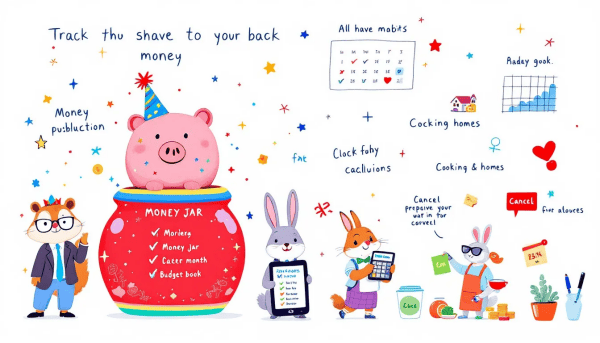
Understanding where your money goes is key to developing a successful budget. Start by recording your daily spending for several weeks. This exercise reveals your spending habits and highlights areas where you might be able to cut back. Whether it’s a daily coffee run or an impulse purchase at the grocery store, tracking these expenses can be eye-opening.
Categorizing your expenses helps identify patterns and make informed decisions about fund allocation. Group your spending money into categories like groceries, entertainment, transportation, utilities, and irregular expenses. This not only simplifies tracking but also makes it easier to spot opportunities for saving money.
Use budgeting tools or apps to streamline this process and log purchases easily. These tools can provide insights into your spending habits, helping you identify potential savings that can be redirected towards your savings goals or debt repayment.
Set Clear Financial Goals
Setting clear financial goals is a critical step in any budgeting plan. These goals keep you motivated and focused on what you’re trying to achieve. Consider both short-term and long-term goals. Short-term goals might include saving for a vacation or building an emergency fund, while long-term goals could be saving for retirement or a child’s education.
An example of a specific financial goal is aiming to save $1,000 for an emergency fund by December 31. These goals should be realistic and achievable, making them more engaging and less daunting.
Include these goals as budget line items to ensure active progress towards them. Successful budgeting can help you get out of debt faster and meet your savings goals. Celebrating your achievements along the way provides an opportunity to reassess and realign your financial goals.
Create a Detailed Budget Plan
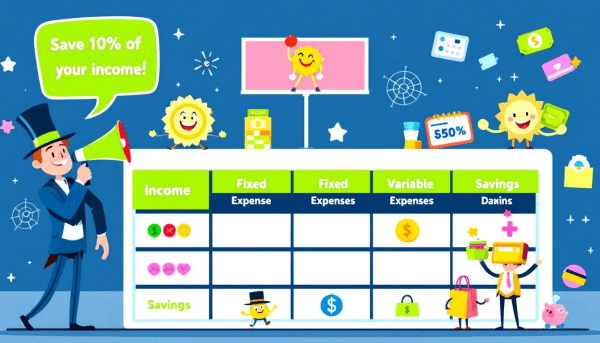
Creating a detailed budget plan involves documenting income, expenses, and goal timelines. This plan should reflect a balance between your income and your necessary expenditures. Ensure that your budget covers all needs, some wants, and savings for emergencies and the future.
Start by listing some fixed expenses like rent and variable expenses such as groceries. This helps you understand your spending patterns and make adjustments where necessary. Adjust discretionary spending to meet your essential needs and savings goals without overspending.
Ranking financial goals by importance helps clarify priorities. Consider setting aside a portion of your budget for rewards to encourage disciplined saving and spending.
Prioritize Savings First
Consider savings a fixed expense in your budget for financial discipline. This means allocating a specific portion of your income to savings before addressing other expenses. Automate savings transfers from your checking account to your savings account to avoid the temptation of spending that money.
Consider setting aside a portion of unexpected income, like bonuses or tax refunds, to enhance your savings strategy. Gradually increasing your savings percentage over time can lead to significant financial growth.
Prioritizing savings ensures consistent progress towards financial goals, such as building an emergency fund or saving for retirement.
Differentiate Needs vs. Wants
Distinguishing between needs and wants is key for effective budgeting. Needs are essential expenses required for living and working, such as housing, food, and transportation. Wants, on the other hand, are expenses that enhance comfort and enjoyment but are not essential for survival.
Adopt a budgeting method like the 50/30/20 rule to allocate your income effectively. This rule suggests that 50% of your income should go towards needs, 30% towards wants, and 20% towards savings and debt repayment. To successfully manage your finances, it’s essential to stick to your budget.
Categorizing all expenses into needs and wants helps you adjust your budget accordingly.
Implement Zero-Based Budgeting
Zero-based budgeting is a method where your expenses equal your income, ensuring every dollar is assigned a purpose. This approach shows exactly where your money is going and gives every dollar a job, keeping control over your finances with a zero based budget.
This method requires you to justify every expense at the start of each budgeting period. While it can be resource-intensive, it promotes lower costs by scrutinizing both new and existing expenses closely.
Zero-based budgeting can help maintain a disciplined approach to operational expenditures. It encourages businesses to keep legacy costs under control, preventing unnecessary financial burdens.
Prepare for Unexpected Expenses

An emergency fund serves as a financial buffer for unplanned costs like medical bills or car repairs. Setting aside even a small amount can significantly enhance financial security against unexpected expenses.
An emergency fund can prevent reliance on credit cards during unexpected financial situations. It’s advisable to keep emergency funds in a safe and accessible account to prevent impulsive spending.
Monitoring your emergency fund progress can encourage continued saving and goal achievement. Establish guidelines to determine what qualifies as an emergency expense.
Manage Debt Effectively
Paying more than the minimum can accelerate debt repayment and reduce interest over time, allowing you to save more money. Consider consolidating debts when it leads to lower interest rates and more manageable payments.
Maintaining a low debt-to-income (DTI) ratio, ideally under 35%, benefits creditworthiness. Effective debt management is crucial for financial freedom and achieving your financial goals.
Review and Adjust Regularly
Regularly reviewing and adjusting financial goals keeps them aligned with changing life circumstances. Monthly or quarterly budget regularly reviews help detect financial discrepancies before they escalate into larger issues.
Budget flexibility allows adaptation to financial changes and encourages finding new ways to save. Comparing projected budget figures to actual results is key for understanding financial performance.
Avoid Impulse Purchases
Emotional states can trigger impulsive buying, affecting spending decisions. Social media exposure can also lead to impulsive purchases by triggering feelings of inadequacy.
Cash-only shopping can limit impulse buys by making payment less convenient. A no-spend challenge is a commitment to not spend money on non-essentials and can serve as a reset to curb unnecessary spending habits.
Utilize Budgeting Tools

Using budgeting software can simplify the review process by providing real-time financial tracking. Budgeting apps and tracking apps can help keep track of bills, payments, and overall budgeting.
Examples of budgeting tools are Honeydue for couples, Goodbudget for envelope budgeting, and YNAB (You Need A Budget) for proactive financial planning. These tools can enhance your ability to track expenses and manage savings effectively.
Plan for Large Purchases
Saving for large purchases involves planning ahead and dividing the price by the number of days until the purchase date. Creating a systematic savings plan is beneficial if you have a longer timeframe to save.
Using high-interest savings accounts or CDs can grow your savings while preparing for a major purchase. Understanding the complete costs of a large purchase is essential for effective budgeting.
Keep Bills and Receipts Organized
Keeping bills and receipts organized is vital for resolving disputes and facilitating tax preparation. File everything electronically for easier access and management of digital bills and receipts.
Hanging files or expandable folders can help organize physical bills and receipts, sorted by account or month. Creating a designated area for financial paperwork can streamline your organization process.
Split Direct Deposits
Split direct deposit divides your paycheck between multiple accounts instead of going to a single account. Not all employers provide this option, so it’s important to check with your HR department.
Choose to split your paycheck by a fixed dollar amount or percentage of your total earnings. Splitting direct deposit may reduce your primary checking account balance, requiring careful budgeting.
Plan Meals and Grocery Shopping
Planning meals in advance can reduce grocery spending by minimizing unplanned purchases. Creating a grocery list based on a meal plan can effectively prevent unnecessary purchases.
Using a weekly menu planner can enhance grocery shopping efficiency and promote better food budgeting. Many grocery stores offer online shopping options that allow consumers to stay within their budget while avoiding impulse buys.
Reward Yourself
Acknowledging financial achievements can significantly boost motivation and morale. Celebrating milestones can foster hope and optimism for future financial wins. It’s vital to keep celebrations within reasonable limits to maintain overall financial stability. Investing in experiences rather than material goods can lead to lasting personal growth and happiness.
Summary & Conclusions
[2 paragraphs, 400 words]
Summarize key points.
Inspire readers to take control of their finances.
FAQ
[1 paragraph, 200 words]
List of 5 questions and answers.
–BEGIN–
Summary
Summarizing the key points from this guide, it’s clear that smart budgeting is not just about cutting costs but about creating a balanced and sustainable financial plan. Knowing your monthly income, tracking your spending habits, setting clear financial goals, and creating a detailed budget plan are foundational steps. Prioritizing savings, differentiating needs versus wants, and implementing zero-based budgeting can further refine your approach.
Regularly reviewing and adjusting your budget ensures that it remains effective and aligned with your financial goals. Avoiding impulse purchases, utilizing budgeting tools, planning for large purchases, and keeping bills and receipts organized are practical tips that can help you stick to your budget. Splitting direct deposits, planning meals, and rewarding yourself for financial achievements can sustain your motivation and commitment. Take control of your finances today, and start your journey towards financial freedom!
Frequently Asked Questions
How should a beginner start a budget?
To start a budget effectively, first estimate your monthly income and identify essential expenses such as housing, utilities, and groceries. Then, allocate funds towards savings and discretionary spending, tracking your progress at the end of the month to ensure alignment with your financial goals.
What is the 70/20/10 rule money?
The 70/20/10 rule is a budgeting strategy that allocates 70% of your take-home pay for living expenses, 20% for savings and investments, and 10% for debt repayment or donations. This structured approach helps you manage your finances more effectively.
What are some good budgeting tips?
A good budgeting approach involves calculating your net income, tracking your spending, and prioritizing essential expenses like housing and healthcare. Regularly review and adjust your budget while setting realistic financial goals to effectively manage your funds.
What is the 50/20/30 budget rule?
The 50/20/30 budget rule recommends allocating 50% of your net income to needs, 20% to savings and debt reduction, and 30% to discretionary spending. This structured approach allows for balanced financial management and prioritization of essential expenses.
How can I accurately calculate my monthly income with a variable income?
To accurately calculate your monthly income with a variable income, you should average your earnings over the past three months, which helps create a reliable estimate for effective budgeting. This method allows you to account for fluctuations while maintaining a clear financial picture.