Protect Yourself: How Oversharing Personal Achievements Leads to Identity Theft
Oversharing personal achievements online can lead to identity theft, and understanding how oversharing personal achievements leads to identity theft is crucial. Cybercriminals use details like your new job title or a post about a recent trip to steal your identity. In this article, you’ll learn how these risks occur and practical steps to protect your personal information.
Key Takeaways
Oversharing personal achievements online can lead to significant risks, including identity theft and exposure to scams.
Identity thieves exploit seemingly innocuous personal details, making it crucial to limit what is shared on social media.
Maintaining privacy settings and being cautious about online sharing can protect both personal and professional reputations from long-term consequences.
The Risks of Oversharing Personal Achievements
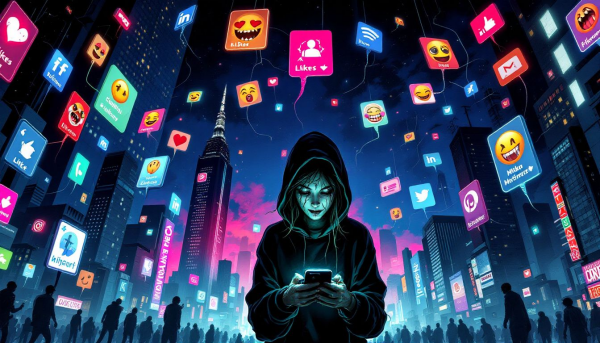
Oversharing personal achievements online can seem harmless, but it can lead to significant risks, including exposure to identity theft and credit jeopardy. Have you ever posted about a new job or shared your full name and location? These details might seem trivial, but they can be a goldmine for identity thieves. Revealing personal information such as your full name, job title, and location online makes you vulnerable to identity theft, account takeovers, and involvement in scams.
Imagine this: you’ve just landed your dream job and can’t wait to share the news. In your excitement, you post a picture of your new office with your nameplate and company logo. What you might not realize is that this post could be enough for cybercriminals to piece together your identity. The real-world implications of revealing such sensitive information online can result in identity theft and account breaches.
Recognizing these potential risks and understanding the far-reaching consequences of oversharing on social media is essential. Protect yourself by being mindful of what you share online and avoiding unnecessary disclosures.
Remember, sharing your achievements is wonderful, but keeping certain details private is a vital step in protecting your personal and professional life.
How Identity Thieves Exploit Personal Details

Identity thieves are constantly scouring social media for personal details that can be exploited. Commonly shared personal details, like home addresses and job information, can pose significant risks and should be avoided in public posts. Have you ever thought about how many seemingly innocuous details you’ve shared online? These can be pieced together to create a comprehensive profile about you, a concept known as the Mosaic Effect.
Cybercriminals use these details to conduct targeted phishing attacks. For instance, they might send you an email that appears to be from your bank, using information they’ve gathered from your social media profiles. By clicking on a malicious link or providing your login credentials, you could unwittingly give them access to your accounts. Revealing personal information increases your vulnerability to identity theft as cybercriminals can impersonate you.
Limiting the amount of personal information shared online is necessary to limit personal information. Avoid posting your full home address and be cautious about other identifiable details. Identity thieves often exploit overlooked information, so vigilance is key to protecting yourself from their schemes.
Impact on Both Personal and Professional Life
Oversharing doesn’t just open you up to identity theft; it can also have profound impacts on both your personal and professional life. For example, sharing details about future travel plans on social media can alert potential thieves that your home may be unoccupied. Publishing location details, especially while away from home, can signal to criminals that a residence is empty, increasing the risk of burglary.
In the realm of personal life, oversharing can lead to cyberstalking. When personal information is divulged, it can result in harassment or threats via online communications. This intrusion into your private life can be both distressing and dangerous.
The impact of oversharing extends beyond personal security. Many employers have guidelines against disclosing sensitive information online. Inappropriate posts can damage your professional reputation and lead to negative perceptions from coworkers and employers.
Employers often check candidates’ social media accounts to assess professionalism before hiring. A single post can influence job opportunities, so being mindful of what you post online is crucial for maintaining your personal and professional life.
Social Media Platforms and Privacy Settings
Social media platforms offer a wealth of opportunities to connect and share, but they also come with inherent risks. Most social media profiles are set to public by default, exposing users to various cyber threats. Adjusting social media privacy settings helps protect personal safety and digital identity. Enabling privacy settings on social media limits the visibility of your shared information, enhancing your online safety.
Limiting the visibility of your profiles and posts to friends or trusted contacts is advisable. Accepting friend requests from unknown individuals increases vulnerability to identity theft. Turning off location-sharing features also prevents fraudsters from using geolocation information for scams.
Regularly reviewing and updating privacy settings helps maintain online security. Parents can use these settings to restrict their children’s access to certain content and features on social media. These steps better safeguard personal details and reduce the risk of oversharing.
Protecting Your Digital Footprint

Your digital footprint records your online activities, and managing it is crucial for maintaining your online reputation and privacy. Intentional activities, like posting on social media, create an active digital footprint. Protect it by regularly reviewing and deleting old online accounts to reduce hacking risks and lessen your digital presence.
Monitoring your digital presence through regular online searches can help you manage and mitigate negative information. Educating yourself and others about online privacy best practices, including the use of location services, is essential for maintaining a secure digital footprint. Turn off geotagging in your app’s settings to prevent disclosing your whereabouts. Also, consider whether an app or website needs your personal information before creating new accounts.
Communicating digital privacy expectations to friends and family reinforces safe practices. Be aware that geotagging reveals your whereabouts and frequent locations when posting photos. Delaying vacation posts until after returning home avoids indicating that your home is empty to potential thieves. Exercising caution and using privacy options on social media helps protect your digital footprint from identity thieves and other security risks.
Practical Tips for Safe Online Sharing

To maintain online safety, follow practical tips for safe online sharing. Use strong, unique passwords for online accounts to safeguard your digital identity from unauthorized access. Avoid participating in online quizzes that reveal sensitive personal information. Be cautious about sharing sensitive information, especially on unsecured websites.
Cybercriminals create fake login pages to capture user credentials and access personal accounts. Avoid clicking on suspicious links, even if they come from trusted friends, as they can lead to malware that steals personal information. Delay posting personal events to reflect on the implications of sharing those moments.
Following these tips limits the personal information shared online and reduces the risk of identity theft and other security risks. Safe online sharing involves being mindful of the information you post and taking steps to protect it.
Long-Term Implications of Oversharing

Oversharing on social media can have long-term implications that extend far beyond the immediate risks. Romance scams often target individuals who share personal details on dating platforms, as scammers use this information to build trust before requesting money. Inappropriate online posts can result in long-term consequences for personal and professional relationships.
Oversharing can also lead to a loss of privacy, allowing unwanted attention and harassment. For those with security clearances, sharing confidential information publicly may make them targets for social engineering and exploitation. The potential risks of oversharing highlight the importance of maintaining control over what you share online.
Avoiding long-term implications requires careful consideration of what you post and avoiding oversharing. Protecting personal and professional relationships involves a cautious approach to sharing personal information online.
Summary
In conclusion, while sharing personal achievements online can be gratifying, it’s important to be aware of the potential risks. Oversharing personal information can lead to identity theft, security risks, and negative impacts on both personal and professional life. By adjusting privacy settings, managing your digital footprint, and following practical tips for safe online sharing, you can protect yourself from these dangers.
Remember, the key to safe online sharing lies in being mindful of what you post and taking proactive steps to protect your personal information. Stay vigilant, stay safe, and enjoy sharing your achievements responsibly.
Frequently Asked Questions
How can oversharing personal achievements lead to identity theft?
Oversharing personal achievements can lead to identity theft by disclosing sensitive information like your full name, job title, and location, which identity thieves can exploit for impersonation. Protect your personal details to maintain your security.
What is the Mosaic Effect, and how does it relate to identity theft?
The Mosaic Effect is the process where various inconspicuous data points merge to form a comprehensive profile, which can then be exploited for identity theft. This underscores the importance of safeguarding personal information to prevent unauthorized access.
How can oversharing impact my professional life?
Oversharing can significantly harm your professional reputation and limit your career opportunities. It may also lead to negative perceptions from coworkers and employers, which can hinder your professional relationships.
What steps can I take to protect my digital footprint?
To protect your digital footprint, regularly review and delete old online accounts, monitor your digital presence, turn off geotagging, and communicate your privacy expectations to others. These steps can significantly enhance your online security and privacy.
What are some practical tips for safe online sharing?
To ensure safe online sharing, use strong and unique passwords, avoid sharing sensitive information on unsecured websites, and be cautious of suspicious links. Always think twice before posting personal events to assess potential risks.