Top Tips for Identity Monitoring for Social Media Impersonation
Social media impersonation is a serious threat that can harm your reputation and lead to financial losses. Identity monitoring for social media impersonation helps detect and prevent these fake profiles early, protecting your personal information and online accounts. Learn how to safeguard yourself with effective identity monitoring strategies.
Key Takeaways
Social media impersonation involves creating fake profiles or hacking accounts, posing significant risks of identity theft and fraud to individuals and organizations.
Implementing identity monitoring tools, such as LifeLock and Identity Guard, along with proactive strategies like two-factor authentication can help detect and prevent impersonation attempts.
Educating oneself and others about impersonation tactics, strengthening privacy settings, and regularly monitoring social media presence are essential practices for safeguarding against impersonators.
Understanding Social Media Impersonation

Social media impersonation is a form of cybercrime where attackers create fake profiles or hack into existing accounts to deceive others. These impersonators often target both individuals and organizations, aiming to exploit their victims for financial gain or to steal sensitive information. The primary goal of these impersonation attacks is to deceive others, leading to identity theft and other forms of fraud.
Victims of social media impersonation can face severe impacts, including damage to their online reputation and personal relationships. Understanding the tactics used by impersonators and the consequences of these scams is vital for protection against such attacks.
What is Social Media Impersonation?
Social media impersonation involves creating a fake profile or hacking legitimate accounts to deceive others. These impersonators use stolen data to craft realistic fake profiles that can trick even the most vigilant users. This type of cybercrime, including personal account impersonation, is not limited to any specific group; celebrities, public figures, and businesses are all common targets.
Impersonators create profiles that mimic real individuals or organizations, using personal information and photos to enhance legitimacy. Access to these accounts allows them to distribute malicious or fraudulent content, advancing their schemes. This type of media impersonation can have devastating consequences for the victims involved.
Common Tactics Used by Social Media Impersonators
Social media impersonators employ a variety of tactics to deceive their victims. Phishing attacks, which involve unsolicited messages and strange links, trick users into revealing sensitive information. Profile cloning is another tactic, where impersonators create fake profiles that mimic real users’ information and activities.
Social engineering is another powerful tool in the impersonator’s arsenal. By manipulating victims and building trust, scammers can extract personal information with ease. These general impersonation techniques, combined with detailed research on their targets, make their attacks highly effective.
Impact of Social Media Impersonation
The consequences of social media impersonation can be severe and far-reaching. In 2022, fraud that started on social media platforms led to significant losses. These losses amounted to a staggering $1.2 billion. Victims may suffer significant financial losses, especially if they engage with fraudulent accounts. Online scams are on the rise, posing a growing threat to users’ finances and well-being.
Compromised personal information can be sold on the Dark Web or used for further criminal activities, leading to identity theft and increasing the risk of financial fraud and related crimes. The long-term damage to a victim’s reputation and personal relationships can be devastating. High-profile impersonation incidents can cause widespread panic and confusion, further amplifying the harm.
When scammers gain access to official social media accounts, they can post misleading content, further damaging the victim’s reputation. It’s clear that the impact of social media impersonation extends beyond immediate financial losses, affecting various aspects of victims’ lives.
Why Identity Monitoring is Crucial

With the increasing availability of personal data online, identity monitoring has become more crucial than ever. Criminals can easily fabricate convincing fake profiles using the vast amount of information available. Proactive monitoring of social media is essential to identify potential impersonation attempts early and prevent them from causing significant harm.
Digital identity protection providers like Identity Guard safeguard personal information, financial accounts, and devices from social media scams. Preventing online impersonation is crucial for maintaining security and stability in today’s digital world.
Early Detection of Fake Accounts
Early detection of fake accounts is a critical aspect of identity monitoring. Tools like LifeLock provide comprehensive identity theft protection, including monitoring social media for impersonation attempts. These tools can alert users to suspicious account activities, facilitating quicker action against fake profiles.
Regularly checking your social media profiles helps quickly identify unauthorized accounts or suspicious activities. Early detection minimizes the risk of scams and protects your personal information from exploitation.
Protecting Personal Information
Identity monitoring tools primarily protect personal information by tracking data across various platforms, ensuring sensitive information remains secure from impersonators.
Certain browser extensions can help identify phishing attempts by alerting users when they visit suspicious websites. Effective monitoring can help detect unauthorized attempts to access personal data before it can be exploited.
Reducing Financial Fraud Risks
Identity monitoring reduces financial fraud risks by alerting users to unusual activity. Early detection allows users to investigate and act before significant losses occur.
Scammers often use techniques like credential stuffing to gain access to accounts by exploiting leaked usernames and passwords. Identity monitoring services can track unusual transactions on social media, helping to prevent potential financial fraud.
Effective Strategies for Identity Monitoring
To effectively monitor your identity, it’s essential to employ a range of strategies. Cybercriminals frequently use automated tools to create and maintain numerous fake accounts, making it imperative to stay vigilant. Effective identity monitoring identifies unauthorized access to accounts, enabling quicker responses to potential threats.
Various tools exist to help individuals keep track of their social media identities and detect impersonation attempts. By utilizing these tools and strategies, you can maintain a secure online presence and protect your personal information from impersonators.
Utilizing Third-Party Security Applications
Third-party security applications are invaluable in detecting and preventing impersonation attempts. Applications with features like real-time alerts and dark web scans significantly reduce the risks of impersonation.
By using these applications, you can enhance your online security and stay ahead of potential threats. They provide a robust line of defense against the ever-evolving tactics of cybercriminals.
Enabling Two-Factor Authentication
Two-factor authentication is a crucial security measure, adding an extra verification step during login and significantly reducing the risk of unauthorized account access.
To further secure accounts from credential stuffing, ensure that unique and strong passwords are used alongside two-factor authentication. This combination of security measures provides a robust defense against impersonation attempts.
Regularly Updating Login Credentials
Regularly updating login credentials protects your social media identity. Strong and unique passwords are the first defense against security risks. Regular password changes help safeguard accounts from breaches.
Complex passwords that combine letters, numbers, and symbols enhance protection against hacking.
Tools for Monitoring Social Media Identity
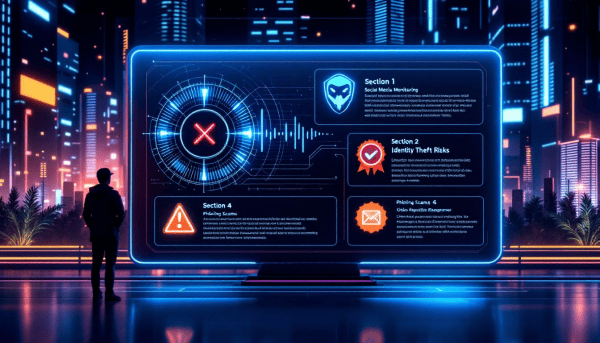
There are several tools available to help monitor your social media identity effectively. Automated monitoring tools quickly and efficiently identify and report impersonation attempts. Combining automated tools with dedicated services significantly enhances social media identity security.
Third-party security applications automate the detection of impersonation attempts across social media platforms, providing real-time alerts and efficiently removing fake accounts, helping maintain a secure online presence.
Dedicated Identity Monitoring Services
Dedicated identity monitoring services, like Identity Guard, specialize in online identity protection against social media impersonation, offering services such as identity theft monitoring, Safe Browsing tools, credit report monitoring, and a $1 million insurance policy.
These services provide real-time alerts when personal information is found in public datasets, allowing users to take immediate action to protect their identities.
Built-in Social Media Platform Features
Social media platforms and other social media platforms offer built-in security features to protect user accounts from impersonation. Users can enable login alerts for unauthorized access attempts and adjust privacy settings to limit visibility of personal information, reducing impersonation risks.
These features are essential for maintaining a secure social media presence.
Browser Extensions and Add-ons
Browser extensions are essential tools for enhancing online security, especially with regard to monitoring social media activity and preventing impersonation. Trusted browser add-ons, including privacy-focused extensions and monitoring tools, alert users to unusual activities on social media accounts.
By incorporating these extensions into your browsing habits, you can significantly enhance your security and decrease the likelihood of becoming a victim of social media impersonation.
Responding to Social Media Impersonation
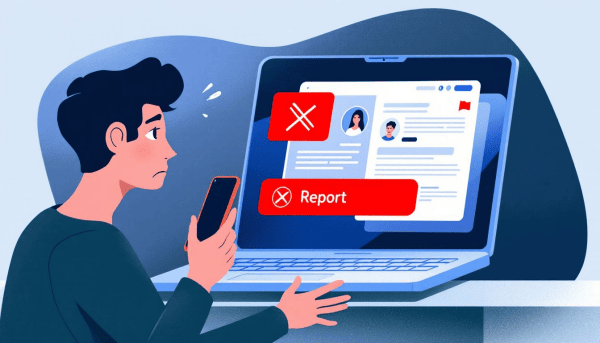
Upon noticing unusual logins or suspecting hijacked social media accounts, immediate action is necessary. Services like Spikerz not only find impersonating accounts but also assist in removing them to protect your online identity. Victims may face difficulty in regaining control of their accounts after social media hijacking.
Responding promptly and effectively to social media impersonation can mitigate the damage and help you regain control of your accounts.
Reporting Fake Accounts
Reporting fake accounts is essential in responding to social media impersonation. Locate the report option on the user’s profile and provide details about the impersonation.
After submitting a report, it’s essential to block the account, as this helps social media platforms take necessary action. Monitoring services can alert users to the creation of unauthorized accounts in their name, facilitating early intervention.
Recovering Hacked Accounts
Recovering a hacked social media account involves following the platform’s specific recovery processes to verify your identity and secure your account. Following these procedures meticulously is crucial to regain control. If your account details are found for sale online, immediately change your passwords and secure your accounts.
After regaining access, change your login credentials and enable two-factor authentication to prevent future unauthorized access and protect your personal information from further exploitation. Gaining access to your accounts securely is essential.
Legal Actions and Support
In cases of serious impersonation or harassment, gathering evidence and involving law enforcement for legal action might be necessary. Consulting with legal professionals can provide guidance on potential actions against impersonators and help you understand your rights and remedies.
Legal actions for impersonation can include filing a report with law enforcement and pursuing civil remedies through the assistance of an attorney. Depending on local laws, individuals can face criminal penalties, including jail time, for malicious impersonation.
Best Practices for Preventing Social Media Impersonation
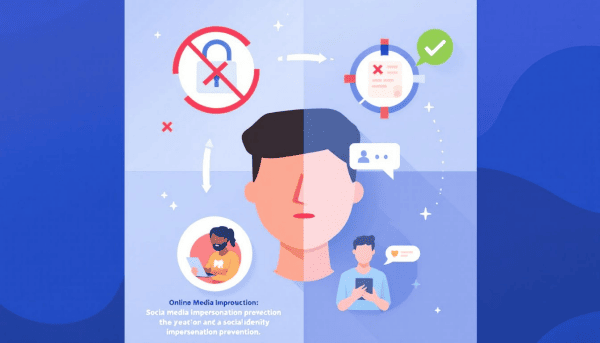
Preventing social media impersonation involves a comprehensive approach that includes strengthening privacy settings, educating yourself and others, and actively monitoring your social media presence. These practices are essential to thwart impersonators from accessing sensitive information and causing harm.
By managing your digital footprint and implementing these preventive measures, you can significantly decrease the risk of impersonation on social media.
Strengthening Privacy Settings
Strengthening your online privacy is essential for preventing impersonation schemes. Keep your social media accounts private and limit the information shared publicly to protect personal information. Many social media sites provide quick ways to review and change your privacy settings and permissions.
Regularly auditing your followers and removing inactive or suspicious accounts can enhance security. Using browser extensions like Privacy Badger can help block tracking cookies and protect against identity theft.
Educating Yourself and Others
Staying informed about the latest impersonation tactics is crucial for protecting your identity online. Educating friends and family about impersonation risks helps build a network of informed individuals who can support each other.
Sharing knowledge about effective monitoring strategies and security tools empowers others to safeguard their online identities. Implementing best practices like regularly updating passwords and using strong privacy settings can prevent impersonation.
Monitoring Social Media Presence
Regular monitoring is crucial to identify and respond to potential threats to your social media identity. Early detection of fake accounts can significantly reduce the risk of becoming a victim of scams.
Utilize dedicated identity monitoring services and built-in social media platform features to safeguard your online presence. Implement a proactive identity monitoring strategy to regularly check your social media accounts for suspicious activities.
Summary
Social media impersonation is a growing threat that requires vigilance and proactive measures to combat. By understanding the tactics used by impersonators, recognizing the importance of identity monitoring, employing effective strategies, and knowing how to respond to incidents, you can protect your online identity. Implementing best practices such as strengthening privacy settings, educating yourself and others, and monitoring your social media presence will help you maintain a secure and trustworthy online profile. Stay vigilant, stay informed, and keep your digital identity safe.
Frequently Asked Questions
What is social media impersonation?
Social media impersonation involves creating fraudulent profiles or taking over legitimate accounts to mislead others for malicious intentions. It can lead to serious consequences for individuals and organizations alike.
How can I detect a fake social media account?
To effectively detect a fake social media account, regularly monitor your profiles for unauthorized accounts or unusual activity, and consider using tools like LifeLock for comprehensive alerts and monitoring.
What should I do if my social media account is hacked?
Immediately follow the recovery process outlined by the social media platform to verify your identity and regain control of your account. Additionally, change your passwords and enable two-factor authentication to enhance security.
Are there legal actions I can take against social media impersonators?
Yes, you can take legal action against social media impersonators by reporting them to law enforcement and seeking civil remedies with the help of an attorney. Consulting with legal professionals can clarify your rights and options.
How can I prevent social media impersonation?
To prevent social media impersonation, strengthen your privacy settings and actively monitor your online presence. Consider using identity monitoring services to further safeguard your personal information.