
How to Stop Impulse Buying: 7 Practical Tips to Save Money
Struggling with impulse purchases that wreck your budget? You’re not alone. Learning how to stop impulse buying can help you save money and make smarter spending choices. This article offers seven practical tips to help you curb your spending urges and take control of your finances.
Key Takeaways
Identify emotional and environmental triggers that lead to impulse buying to gain better control over your spending habits.
Create and stick to a shopping list to focus on necessary items, and consider implementing a waiting period before making purchases.
Track your spending and set clear financial goals to promote mindful spending and reduce impulsive purchases.
Understand Your Triggers

Impulse buying often starts with a trigger. It could be an emotional state like anxiety or excitement that prompts you to make unplanned purchases. When you feel anxious or down, buying something new might give you a temporary boost, but it often leads to regret once the initial excitement fades. Identifying these emotional triggers is the first step in curbing impulsive spending.
The environment you shop in also plays a significant role. Physical stores are designed to enhance sensory experiences with sights, smells, and sounds that entice shoppers to buy more. Promotional campaigns, flashy displays, and strategic discount store layouts are all engineered to provoke sudden urges to buy. Being aware of these tactics can help you resist their pull and stick to your shopping plan.
There’s a psychological conflict at play as well. The immediate pleasure of buying something new can be overshadowed by the negative repercussions of overspending on skin care products and the associated costs. Understanding this internal battle can better prepare you, as a person, to make more rational decisions and avoid the risk of regret that often follows impulse buys, especially when items are sold early, as you might hunt for the best price deals at this bright line point. The perks of being mindful can lead to better choices, rather than getting caught in the dirt of impulsive spending that can replace your budget. If you make a purchase thoughtfully at night, it can enhance your overall feeling experience and open the door to better habits through technology. This idea can transform your approach to spending and reduce stress. Don’t let the opportunity to catch great deals slip away.
Create a Shopping List and Stick to It
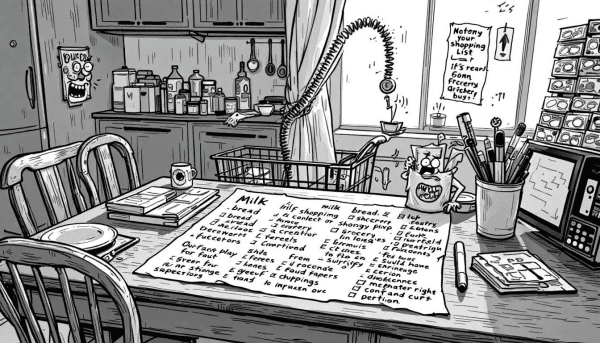
One of the most effective ways to avoid impulse buying is to create a shopping list before you head to the store. A well-thought-out list keeps you focused on what you need and helps prevent those unplanned purchases that can add up quickly. Whether you’re a shopper looking for groceries, clothing, or household items, sticking to your list can save you money and reduce the temptation to buy unnecessary items.
To make your list even more effective, consider including a small discretionary spending amount. This allows you to indulge in a small treat without going overboard. Additionally, delaying purchases for a week can help you determine if you really need the item or if it’s just an impulsive desire. This waiting period gives you the time to think critically about how to pay for your purchases.
Using a shopping list is also linked to healthier eating habits and a lower body mass index (BMI). By planning your meals and shopping accordingly, you can avoid the lure of unhealthy snacks and stick to a balanced food diet, further supporting your overall well-being.
Set Financial Goals
Setting clear financial goals can be a powerful motivator to reduce impulse buying. When you have specific goals, such as:
Saving for a vacation
Saving for a new car
Saving for a home, it becomes easier to resist the temptation to spend on unnecessary items. These goals give you a clear reason to save money and help you achieve more intentional spending decisions.
Creating a budget is essential for managing your finances and achieving your goals. The 50/30/20 budget, which allocates 50% of your income to needs, 30% to wants, and 20% to savings, can help you balance your spending. This structured approach ensures that you’re covering your essentials while still allowing some room for discretionary spending.
Regularly reviewing and adapting your budget is also important year round. By keeping a close eye on your finances, you can identify areas where you might be overspending and make adjustments as needed. This ongoing process helps you stay on track with your financial goals and reduces the likelihood of impulsive purchases.
Use Cash Instead of Cards

Switching from cards to cash can have a significant impact on your spending habits. When you use cash, you physically feel the money leaving your hands, which makes you more mindful of your purchases. This tactile experience can be a powerful deterrent to impulse buying, as you become more aware of how much you’re spending.
As you shop and your cash dwindles, it serves as a signal to stop spending. This is a stark contrast to using a card, where the act of swiping doesn’t provide the same immediate feedback. Carrying a set amount of cash limits your spending to what you have on hand, making it easier to stick to your budget. The benefits of using cash include:
Immediate feedback as your cash decreases, signaling when to stop spending
A physical limit on spending based on the cash you carry
Easier adherence to your budget compared to card spending, especially when you consider that spending in dollars can quickly add up.
Additionally, having cash on hand is practical for situations where card payments may not be accepted. This can be especially useful in smaller stores or markets where cash is often preferred in business. By relying more on cash, you can better manage your finances and avoid the pitfalls of impulse buying.
Implement a Waiting Period
Introducing a waiting period before making purchases is a simple yet effective strategy to curb impulse buying. For smaller, non-essential items, consider waiting 24-48 hours before making a decision. This short delay gives you time to evaluate whether you truly need the item or if it’s just an impulsive desire.
For larger purchases, a waiting period of two to three weeks can be even more beneficial. This extended length typically allows you to thoroughly research the product, read reviews, and compare prices. This approach helps you make more informed decisions and avoid buyer’s remorse.
Taking a week to reflect on potential purchases helps you differentiate between wants and needs. This period of reflection can be especially helpful for high-cost items because:
It ensures that you only spend money on things that truly add value to your life.
It reduces impulsive decisions.
It encourages more deliberate choices.
Avoid Temptation

One of the best ways to avoid impulse buying is to minimize your exposure to tempting offers. Start by unsubscribing from marketing emails that flood your inbox with promotions and sales tips. These emails are designed to entice you into making unplanned purchases, so removing them from your daily job can help reduce temptation.
Consider using ad blockers and turning off targeted ads on your devices. These ads are often tailored to your browsing habits and can be hard to resist. By blocking them, you can create a more neutral online environment free from common types of constant marketing messages.
Reducing the time you spend on social media can also be beneficial. Social media platforms are filled with ads and influencer posts promoting various products. By cutting back on your social media usage, you can lessen your exposure to these persuasive messages and focus on more meaningful activities.
Track Your Spending
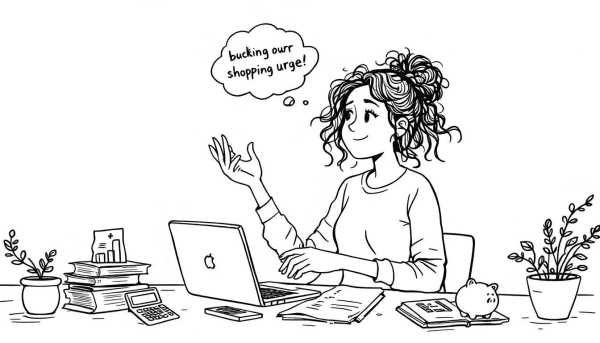
Tracking your spending is essential for understanding and control your financial habits. Start by log all your expenses, no matter how small. This practice helps you see where your money is going and identify patterns in your spending behavior.
Regularly reviewing your account statements can provide valuable insights into your spending habits. To better understand and manage your personal finance, you can:
Categorize your expenses into needs, wants, and savings
Use this categorization to create a clearer picture of your financial situation
Adjust your budget and prioritize your spending based on this clearer picture
Using expense-tracking apps can simplify the process of monitoring your spending. These apps often come with features that help you set financial goals, track your progress, and receive alerts when you’re nearing your budget limits. By keeping a close eye on your finances, you can reduce impulsive purchases and make more informed spending decisions.
Summary
Taking control of your spending habits requires a combination of awareness, planning, and discipline. By understanding your triggers, creating a shopping list, setting financial goals, using cash, implementing a waiting period, avoiding temptation, and tracking your spending, you can significantly reduce impulse buying and save money.
These seven practical tips are designed to help you develop more intentional spending habits. By applying these strategies consistently, you’ll find yourself making more mindful purchases and achieving your financial goals.
Remember, the journey to financial freedom starts with small, intentional steps. Stay committed to these practices, and you’ll see a positive impact on your finances and overall well-being.
Frequently Asked Questions
How can I identify my impulse buying triggers?
To identify your impulse buying triggers, pay attention to your emotional states, like anxiety or excitement, and notice environmental factors, such as store layouts and promotions, that draw you in. Understanding these can help you make more mindful decisions.
Why is creating a shopping list important?
Creating a shopping list is important because it keeps you focused on necessary items, helping you avoid impulse buys and ultimately save money while making healthier choices.
How can setting financial goals help reduce impulse buying?
Setting financial goals gives you a solid purpose for your money, which helps you think twice before making impulse purchases. When you have clear objectives, it's easier to say no to unnecessary spending and stay on track.
What are the benefits of using cash instead of cards?
Using cash helps you be more aware of your spending because you actually feel the money leaving your hands, which can curb those impulse buys. It’s a powerful way to stay in control of your budget!
How does a waiting period help curb impulse buying?
A waiting period gives you time to really think about whether you need something, helping you make smarter choices and reduce impulse buying. It's a simple way to save money and avoid buyer's remorse!