
Mastering Emotional Spending Triggers: Practical Strategies to Save Money
Emotional spending triggers are feelings that drive impulsive purchases. Knowing these triggers can help you manage your spending. This article will explore common triggers and ways to deal with them.
Key Takeaways
Emotional spending is driven by feelings like stress and excitement, leading to impulse purchases that can harm financial stability.
Tracking spending and recognizing emotional triggers can help individuals make more deliberate financial choices and curb emotional spending.
Implementing practical strategies like setting budgets, practicing delay tactics, and engaging in healthy activities can effectively manage emotional spending habits.
Understanding Emotional Spending Triggers
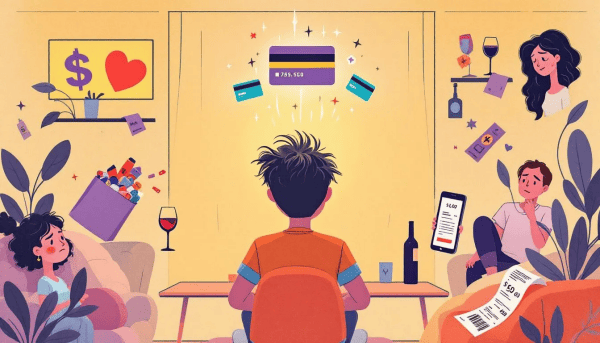
Emotional spending is spending driven by emotions rather than necessity. It’s an act many of us engage in without even realizing it. The purpose of emotional spending is often to tap into positive feelings from purchases or to alleviate negative emotions like stress and sadness. Knowing these emotional spending triggers helps in forming intentional habits and concentrating on long-term financial objectives. The first key to reducing retail therapy is gaining insight into what triggers your emotional spending.
It’s important to note that emotional spending isn’t a psychological disorder; compulsive buying disorder, on the other hand, is a psychological disorder characterized by a lack of control over impulses. Understanding your emotional spending triggers enables you to take proactive steps to curb this behavior and make more thoughtful financial choices.
Common Emotional Triggers for Spending Money
Common emotional triggers for spending money include:
Stress
Sadness
Excitement
Anxiety
Jealousy
Boredom
These emotions can lead individuals to make unplanned purchases, seeking temporary relief from their negative feelings. For instance, shopping can provide a fleeting sense of control and relief from anxiety, which is why shopping addiction can be so addictive, often driven by instant gratification. This is a cycle that many have felt.
Excitement is another powerful trigger. The thrill of finding a great deal or the joy of buying something new can drive us to make impulse purchases. However, when emotional spending becomes habitual, it can result in overspending and financial problems. Buying items to ease the pain from bad days or due to admiration for others can lead to emotion driven spending issues.
Emotional spending becomes problematic when it harms our financial stability or replaces healthier coping mechanisms. Recognizing these triggers and taking steps to avoid impulsive spending during intense emotions is vital to stop emotional spending.
Recognizing Your Personal Spending Patterns
Recognizing and reflecting on your spending habits through daily tracking can reveal patterns tied to emotional triggers. This process involves:
Maintaining a journal of purchases and the emotions associated with them
Identifying what causes you to spend money impulsively
Encouraging a deeper understanding of how emotions influence your buying choices.
Documenting emotions related to spending can provide significant insights for future financial decisions. Tracking daily expenditures helps reveal the emotional states that trigger impulse purchases, allowing you to address emotional spending.
The Psychological Impact of Retail Therapy
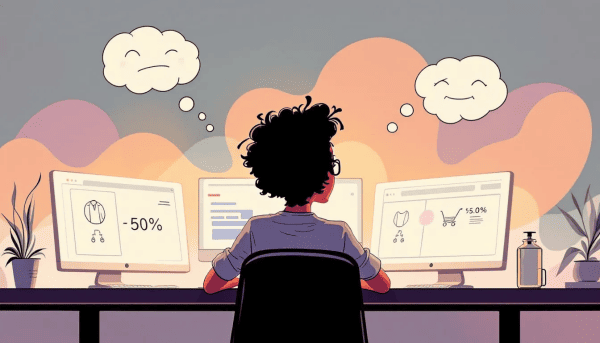
Retail therapy is often seen as a quick fix for emotional distress, but its psychological impact can be profound. Emotional spending can serve as a temporary escape, providing a brief sense of relief and happiness. However, this temporary relief often leads to further emotional distress and financial strain. It’s a vicious cycle where financial stress from impulsive purchases causes feelings of guilt and anxiety, which in turn, may lead to more emotional spending.
While emotional spending may provide short-term relief, it frequently exacerbates long-term financial problems. Identifying emotional spending patterns helps in making more deliberate financial decisions. Utilizing emotional intelligence can help individuals control emotional spending and mitigate its adverse effects on finances.
How Emotions Influence Spending Decisions
Engaging in online shopping can trigger the release of various brain chemicals, enhancing feelings of happiness and excitement. This chemical reaction can make shopping feel like a quick fix to emotional distress. However, exploring and becoming aware of your feelings can help avoid impulsive spending linked to emotions. The reward center in the brain becomes activated during shopping, making it essential to become aware of triggers in decreasing emotional spending, so many people enjoy shopping and window shopping.
The potential consequences of emotional purchases include regret, financial stress, and debt. These negative impacts can lead to issues at work, school, and in personal relationships. Understanding how emotions affect your spending choices helps in curbing emotional spending and fostering thoughtful financial decisions.
Long-term Effects of Emotionally Driven Spending
More than 75% of emotional spenders acknowledge that they overspend. This indicates a significant trend among this group regarding their spending habits. Emotional spending can lead to feelings of regret and increased financial strain. Compulsive buying behavior can result in significant negative outcomes in personal finances and relationships. When emotional spending prevents paying bills, breaks budgets, or causes guilt, it becomes problematic. An emotional spender often finds it challenging to manage these feelings effectively.
Grasping the long-term effects of emotionally driven spending aids in making intentional financial decisions, and research suggests sustaining financial stability.
Practical Strategies to Manage Emotional Spending

Managing emotional spending requires practical strategies that address the root causes and provide healthier coping mechanisms. These strategies include:
Establishing a budget to categorize expenses into needs, wants, and savings.
Conducting regular financial reviews to reveal progress toward financial goals and areas needing improvement.
Building supportive relationships that encourage healthier habits and reduce the temptation to spend emotionally.
Removing spending apps, unsubscribing from retailer emails, and keeping the credit card in ice can help remove temptations for spending and avoid spending money. Learning to shop intentionally is necessary for changing emotional spending habits. Here are some practical tips for managing your spending.
Engaging in activities like yoga or meditation can provide stress relief without financial costs.
Tracking Daily Spending
Tracking daily expenditures is crucial to identify impulse purchases and understand spending patterns. One method to track emotional spending habits is by recording daily spending through receipts or apps. Visual tools, such as savings charts, can motivate individuals to track their financial growth effectively.
Consistently tracking your spending provides insights into emotional spending habits, enabling you to take steps to curb them.
Setting Financial Boundaries
Setting financial boundaries is crucial to prevent impulsive purchases driven by emotions. Effectively managing your budget requires establishing clear financial boundaries that distinguish between needs and emotionally driven wants. Unsubscribing from sales alerts helps avoid shopping temptations. Also, turning off app notifications and deleting shopping apps can reduce temptations.
Marketers target emotional shoppers through promotional emails and flash sales, exploiting vulnerabilities that can lead to impulsive spending. Setting financial boundaries can help you avoid these traps and make us more deliberate financial decisions, informed by consumer psychology.
Practicing Delay Tactics
First step, implementing delay tactics, such as a waiting period before purchases, can diminish impulsivity and promote thoughtful decision-making. Here are some steps to follow:
Put the item in your cart and step away for a few hours before making a decision.
Take a break for at least one hour before you decide to make an unplanned purchase.
Use this pause to reconsider the decision.
Waiting 48 hours before purchasing a decision allows for reflection. During this waiting period, reflect on the necessity of the item and its impact on your budget. The need to buy may fade completely after waiting before making a purchase.
Healthy Alternatives to Emotional Spending

Engaging in healthy activities can provide emotional relief and reduce the urge to spend impulsively. Activities that help you feel better without financial consequences include exercise, meditation, and hobbies. Retail therapy can provide a fleeting sense of control, which may temporarily alleviate feelings of sadness.
Finding healthier ways to manage positive emotions helps avoid emotional spending and improve your mood, as this emotional state enhances overall mental health and well-being.
Engaging in Physical Activities
Engaging in physical activities is not only crucial for physical health but also serves as a powerful tool for managing emotional well-being. Physical activities can effectively redirect emotions into a beneficial channel, reducing the urge to spend impulsively. Exercise is proven to lower stress levels, helping individuals cope with life’s pressures without turning to shopping as an escape.
Participating in physical activities can help release built-up tension, leading to an overall decrease in stress and reduce stress. Regular physical activity is linked to improved mood and emotional resilience, which can deter the temptation to engage in retail therapy.
Building Support Systems
Friends can help provide:
Accountability when faced with temptations to overspend
Support crucial for emotional well-being and financial health
Encouragement to make better financial decisions during emotional lows, including from a family member.
Incorporating a reliable support system can significantly reduce the likelihood of impulsive emotional spending that has been spent.
Exploring Non-Material Rewards
Hobbies like painting or gardening can offer satisfaction and joy without involving financial spending. Pursuing hobbies or volunteering can provide fulfillment and joy that do not require monetary expenditure. Participating in social activities can provide emotional satisfaction without financial expenditure.
Finding joy in non-material rewards can enhance emotional well-being and reduce reliance on material spending, including nonessential items. Emphasizing hobbies and social interactions can help individuals find joy and fulfillment without financial burden.
Maintaining Financial Health

Budgeting is a proven method to reduce overspending associated with retail therapy. Key points include:
Creating a budget with discretionary spending can help control emotional spending.
An emotional spending budget allows for occasional emotional spending while keeping impulse buying in check.
Budgeting apps can assist in tracking spending habits effectively.
Healthy financial habits take time to develop and require consistent effort. By focusing on maintaining financial health, you can avoid the pitfalls of emotional spending and achieve long-term financial stability.
Regular Financial Check-ins
Regular financial check-ins are essential for staying aware of your financial situation and managing emotional spending. It is advisable to check on your finances once a week or once a month to effectively manage emotional spending. Regular monitoring of bank account aids in identifying and adjusting spending habits.
Regular financial reviews can help you stay aware of your spending habits and identify unnecessary expenditures.
Automating Savings
Automating savings can help create a habit of saving by:
Transferring funds automatically to a savings account, reducing the temptation to spend.
Ensuring consistent savings each month without needing to make a conscious decision each time.
Helping establish a positive financial routine.
Encouraging good savings habits.
Visual trackers like savings charts and automatic transfers to savings accounts can be effective tools for tracking financial progress. By automating savings, you can focus on building financial health and reducing the likelihood of emotional spending.
Setting Clear Financial Goals
Visualizing long-term financial aspirations can create motivation to limit impulsive buying. Articulating specific financial objectives helps create a focused approach to spending and saving. Creating specific, measurable financial goals can enhance your motivation to save and make more deliberate spending choices.
Setting clear financial goals provides direction and motivation for responsible spending. Having well-defined financial goals allows for more intentional financial decisions and helps avoid emotional spending pitfalls, ultimately leading to financial freedom.
Summary
Mastering emotional spending triggers is a journey that requires understanding, intentionality, and practical strategies. By recognizing your emotional spending habits and understanding the psychological impact of retail therapy, you can take steps to manage your spending more effectively. Practical strategies such as tracking daily expenditures, setting financial boundaries, and practicing delay tactics can help you gain control over impulse buying.
Incorporating healthy alternatives to emotional spending, such as engaging in physical activities, building support systems, and exploring non-material rewards, can provide emotional relief without financial consequences. Maintaining financial health through regular check-ins, automating savings, and setting clear financial goals ensures long-term financial stability. By implementing these strategies, you can achieve financial freedom and improve your overall well-being. Remember, every small step counts towards a healthier financial future.
Frequently Asked Questions
What is emotional spending?
Emotional spending is when you buy things based on how you feel rather than needing them. It's often a way to lift your spirits or cope with tough emotions like stress or sadness.
How can I recognize my emotional spending patterns?
To spot your emotional spending patterns, keep a journal of your purchases and jot down the feelings tied to each one. This can help you see what emotions trigger those impulse buys, making it easier to manage them.
What are some common emotional triggers for spending money?
Emotional triggers like stress, sadness, excitement, anxiety, jealousy, and boredom often drive impulsive spending as a way to cope or seek relief. Being aware of these feelings can help you manage your spending habits better.
How can I manage emotional spending?
To manage emotional spending, start by tracking your daily expenses and set clear financial boundaries. Try substituting shopping with healthier activities like exercise or connecting with friends to fill that emotional gap.
Why is setting clear financial goals important?
Setting clear financial goals is crucial because it gives you direction and keeps you motivated to make smarter spending choices. When you can visualize your long-term aspirations, it becomes easier to resist impulsive buys.