**Mastering Your Fun Money Budget Category: Tips for Guilt-Free Spending**
How can you budget for fun without feeling guilty? In this guide, we’ll show you how to create a fun money budget category, ensuring balance between enjoying life and maintaining financial health. You’ll learn practical tips to set aside money for fun activities without overspending.
Key Takeaways
Fun money is a dedicated part of your budget that allows for guilt-free spending on non-essential items, positively impacting your financial well-being.
Setting aside fun money enhances motivation to stick to financial goals, balances personal happiness with responsibilities, and prevents feelings of deprivation.
Regularly reviewing and adjusting your fun money budget helps maintain financial stability while allowing you to enjoy life without compromising your savings and debt repayment efforts.
What is Fun Money?

Fun money is that delightful slice of your budget designated for non-essential items that bring joy, such as outings, hobbies, or spontaneous purchases. It’s an intentional allocation within your budget that allows you to spend guilt-free, enhancing your overall well-being and financial health. Unlike traditional budgeting, which often emphasizes deprivation and guilt over purchases, fun money encourages you to enjoy life after managing essential expenses, ensuring you always know how much money left for a little fun.
Incorporating fun money into your budget contributes to a positive financial mindset and personal well-being. The Conscious Spending Plan emphasizes this approach, highlighting the importance of intentionality and personal spending on what matters most to you. This allows you to enjoy discretionary spending without the stress of debt, fostering a sense of financial freedom.
Benefits of Fun Money
Setting aside a portion of your monthly income for fun money is crucial for maintaining a balanced financial life. Including fun money in your budget can significantly enhance your motivation to stick to your financial goals. Knowing you have a dedicated amount for enjoyable activities makes it easier to stick to your budget and save for essential priorities.
Moreover, having a fun money category supports not just financial goals but also plays a vital role in improving relationships and preventing burnout. This allows for guilt-free spending, crucial for mental well-being. This balance between saving and spending money on fun activities ensures you can pursue financial freedom without sacrificing personal happiness.
Common Misconceptions
Many individuals mistakenly view fun money as frivolous or unnecessary. This misconception can lead to overspending, as people may compensate for feelings of deprivation by splurging impulsively. Utilizing community resources like free money programs and events at local libraries and street fairs can provide enjoyable activities without breaking the bank.
Incorporating fun money into your budget is essential for mental well-being and maintaining a balanced financial plan. The only difference between those who feel guilty about their purchases and those who don’t is the intentional allocation of fun money. Understanding and correcting these misconceptions ensures a more fulfilling and financially healthy lifestyle.
Setting Up Your Fun Money Budget Category
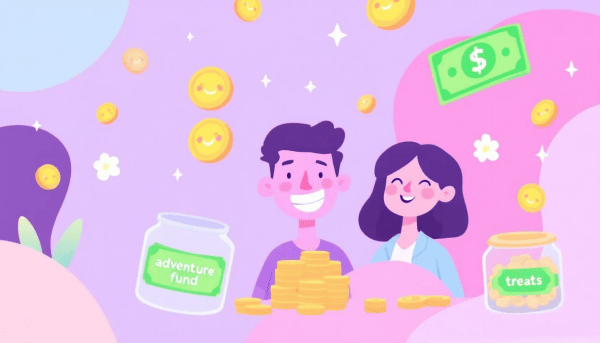
Including fun money in your budget helps avoid the pitfalls of a strict budget and encourages adherence. A balanced budget should cover needs, wants, and savings, with fun money playing a crucial role in maintaining this balance. Be specific about what fun purchases bring you joy to maximize the positive impact on your life.
Adjust your fun money allocation, especially if your total spending exceeds your income due to unexpected expenses. Consider factors like living costs and major life changes when making these adjustments to save more money.
A budget is not a permanent fixture; it can and should evolve with your financial situation. Revisiting your budgets regularly ensures it remains relevant and aligned with your financial goals, even when working with a tight budget.
Determine Your Fun Money Amount
Start by assessing your take-home pay, the amount available for budgeting after mandatory deductions, to determine your fun money amount. Here’s how to allocate your budget:
Ensure fixed costs take up between 50-60% of your monthly take-home pay.
Leave room for discretionary spending like fun money.
Review your previous annual spending on leisure activities.
Divide that annual amount by 12 to get a practical monthly allocation.
Another method is to calculate your monthly fun money by dividing your total annual fun budget by the number of pay periods. Regularly review and adjust your fun money budget to ensure it aligns with your current financial situation and lifestyle, contributing to overall happiness and financial balance, while also keeping track of your monthly expenses.
Allocate Fun Money
There are various budgeting methods to allocate fun money effectively. The 50/30/20 budgeting method, for instance, allocates 50% of income to needs, 30% to wants, and 20% to savings. Alternatively, the 60/20/20 model allocates 60% to necessities, 20% to wants, and 20% to savings. A recommended percentage allocation for fun activities is around 20-30% of your budget.
Reassess and adjust your budget allocations if your expenses exceed these recommended percentages within your spending categories. For example, if necessities take up more than 50% of your budget, consider reducing spending in the ‘wants’ category or switching to a different budgeting model. This flexibility ensures you can still enjoy your fun money without compromising your financial stability.
Separate Accounts for Fun Money
Separate accounts for fun expenditures can facilitate budget management and curb overspending. Establishing a separate account for fun savings helps in tracking and managing those funds more effectively. This approach shows exactly how much money is set aside for fun activities, making it easier to plan and stick to your budget. Additionally, using separate checking accounts can further enhance your financial organization.
Using cash with a set limit for fun activities can also help prevent overspending. Taking only a specific amount of cash helps you enjoy activities without the temptation to dip into other budget categories. This strategy ensures fun money is spent wisely and within the limits you’ve set.
How to Save for Fun Money

Establishing a fun fund sets aside money for enjoyable activities without affecting essential expenses. This dedicated fund allows you to indulge in joyful activities while maintaining financial responsibility. It’s all about balance—saving money and spending money in a way that aligns with your financial goals and lifestyle.
Saving for fun money doesn’t have to be complicated. Incorporate a few smart strategies to build a fun fund that supports guilt-free spending and enhances your well-being. Let’s explore how to create and maximize your fun fund.
Create a Fun Fund
Setting aside a specific amount for fun money allows you to enjoy leisure activities without compromising your savings goals. A high-yield savings account for fun money can help you earn interest while saving. Automate contributions to your fun money account with direct deposits or automatic transfers on payday. Additionally, consider using savings accounts to further enhance your savings strategy.
For irregular income, set reminders to manually transfer money into your fun money account as soon as you get paid. Aiming to save around 5–10% of your income for fun money can ensure you have enough for enjoyable activities without causing financial anxiety.
Maximize Savings
Explore free or low-cost activities like classes, workshops, or community events to fulfill educational and entertainment needs without adding expenses. Swapping items or services with friends can also enhance your experiences without requiring additional spending. These creative approaches allow you to stretch your fun money budget further while enjoying some fun stuff.
Maximizing savings within your fun money budget enables you to enjoy more activities without financial stress. Seeking out deals, discounts, and inexpensive activities can help you save money while stretching your fun money budget, providing enjoyable experiences without breaking the bank.
Prioritize Spending
Identify the most enjoyable activities to allocate fun money more effectively, ensuring greater satisfaction. By focusing on what you truly enjoy, you can make the most of your fun money and avoid spending on activities that don’t bring you as much joy.
Overly restricting spending may cost more in the long run, as deprivation can lead to impulsive splurges. It’s about finding a balance that allows you to enjoy life while staying within your financial limits. This balanced approach ensures you can stick to your budget and still spend money while having fun.
Managing Fun Money Wisely

Wise management of fun money is crucial for maintaining financial stability and enjoying life without guilt. Clear budget guidelines for fun expenses prevent overspending and ensure you can enjoy discretionary spending without financial difficulties. Overextending your fun money can lead to financial strain, so it’s essential to regularly assess your money management and financial situation to ensure your spending aligns with your current circumstances.
Incorporating these principles creates a financial plan that allows you to enjoy life while achieving financial goals. This balanced approach promotes a positive financial mindset and helps you stick to your budget without feeling deprived.
Track Your Fun Money Spending
Tracking fun money spending avoids financial strain and ensures guilt-free spending. Budgeting apps can provide real-time insights into spending habits, making it easier to stay on track. Reviewing past year’s bank statements and credit card statements helps understand spending patterns on fun activities and estimate future costs.
Opening separate accounts for fun money also makes it easier to track your savings goals and prevents overspending. This strategy ensures a dedicated account for fun money is used effectively and within limits, allowing guilt-free discretionary spending.
Set Spending Limits
Budgeting for fun helps prevent financial strain and promotes sticking to your budget. To manage your fun money effectively:
Establish a cash-only limit for discretionary spending to curb impulsive purchases.
Monitor your spending and identify areas of overspending.
Cut costs in those areas to ensure fun money spending remains within set limits.
By setting clear spending limits and sticking to them, you can enjoy your fun money without compromising your financial goals. This approach ensures discretionary spending is controlled and aligns with your overall financial plan.
Adjust As Needed
Regular budget assessments allow adaptation to changing financial circumstances. Life is full of surprises, and your financial situation can change over time. Regularly reviewing and adjusting your fun money budget ensures it remains relevant and aligned with your current needs and goals.
This flexibility is key to maintaining a balanced and enjoyable financial life, providing the necessary breathing room.
Balancing Fun Money with Financial Goals
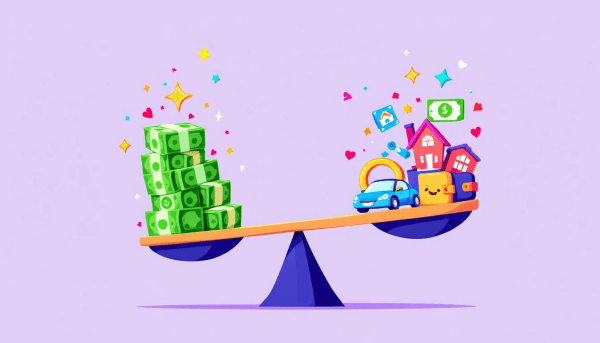
Balancing fun money with financial goals ensures guilt-free spending while maintaining financial health. If your spending on fun money increases without a corresponding increase in income, it can lead to increased debt. Therefore, it’s crucial to adjust your fun money percentages accordingly when your financial priorities change to stay on track with your financial goals.
Balancing fun money with other financial obligations allows you to enjoy life’s pleasures without compromising financial stability. This approach ensures that you can achieve long-term financial freedom while still enjoying the journey.
Fun Money vs. Debt Repayment
A suggested approach is to:
Reserve 20% of your income towards savings and debt clearance.
Allocate any leftover money after reducing expenses to debt repayment.
Alternatively, direct leftover money toward savings or other financial priorities.
Balance fun money spending with debt payments to maintain overall financial health.
Using your budget to support both fun spending and debt elimination ensures financial stability. This balanced approach allows you to enjoy your fun money without compromising your financial goals, promoting a healthier financial mindset and long-term financial freedom.
Fun Money and Savings Goals
Budgeting for fun money helps avoid feelings of deprivation and promotes better spending habits. Integrating fun money into your budget allows guilt-free spending while maintaining financial responsibility. Maximizing employer matching in a 401(k) should be a first step in retirement planning, alongside setting aside fun money.
Investing in options like index funds and target-date funds can be valuable after securing a company match. This ensures that you are building a robust financial future while still enjoying the present.
Long-Term Financial Freedom
Maintaining fun money is essential for overall satisfaction and well-being, contributing to long-term financial independence. Balancing fun money with other financial obligations ensures you enjoy life while working towards financial freedom. This approach promotes a positive financial mindset and helps you achieve your long-term financial goals without sacrificing personal happiness.
Incorporating fun money into your financial plan creates a sustainable and enjoyable financial future. This balanced approach ensures that you can achieve financial freedom while still living a fulfilling and enjoyable life.
Summary
Incorporating fun money into your budget is essential for maintaining a balanced and enjoyable financial life. By setting aside a portion of your income for discretionary spending, you can enjoy guilt-free activities that bring joy and enhance your overall well-being. This approach fosters a positive financial mindset and helps you stick to your budget without feeling deprived.
Remember, the key to successful money management is balance. By integrating fun money into your budget, you can achieve your financial goals while still enjoying life’s pleasures. So, take control of your finances, create a fun fund, and enjoy guilt-free spending that aligns with your financial plan. Here’s to a financially balanced and enjoyable life!
Frequently Asked Questions
What is fun money?
Fun money is basically the budget you set aside for all the enjoyable things in life, like eating out or pursuing hobbies. It's your guilt-free cash for fun!
How much should I allocate for fun money?
You should consider allocating about 5-10% of your income for fun money or review your past spending on leisure activities to set a monthly budget that feels comfortable for you. Make it a priority to enjoy life while staying financially responsible!
Why is fun money important?
Fun money is crucial because it lets you spend on enjoyable activities without guilt, which boosts your well-being while helping you stick to your budget. Balancing your finances with some fun in the mix avoids feelings of deprivation.
How can I manage my fun money wisely?
To manage your fun money wisely, set clear budget guidelines and track your spending. Regularly check in on your budget to make adjustments as your financial situation changes.
Can I still save money and pay off debt while having fun money?
Absolutely, you can have fun while managing your finances! Just consider allocating a portion of your income—like 20%—to save and pay off debt, while also carving out some fun money for enjoyment.