Top Tips: How to Safeguard Your Social Security Number
Protecting your Social Security number is crucial to prevent identity theft and financial fraud. In this guide, we’ll provide clear, actionable steps on how to safeguard your Social Security number. You’ll learn practical ways to keep your SSN safe and what to do if it ever gets stolen.
Key Takeaways
Keep your Social Security card secure and avoid carrying it with you to reduce the risk of identity theft.
Be cautious when sharing your SSN; always question the necessity and explore alternative identification methods.
Monitor your financial accounts regularly and secure your online presence to detect and prevent unauthorized use of your SSN.
Keep Your Social Security Card Secure
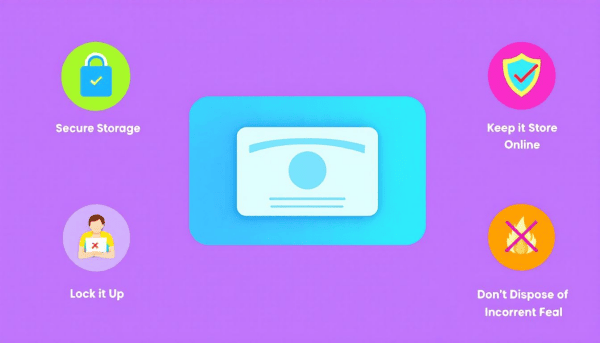
A simple yet effective way to protect your Social Security number is to avoid carrying the card with you. This practice increases the risk of loss or theft, making you vulnerable to identity theft. Instead, store it in a locked box alongside other important documents to keep it secure.
To enhance security, use an encrypted vault for digital storage of your Social Security number. This method reduces the risk of unauthorized access. In most situations, reciting your Social Security number is sufficient, eliminating the need to carry the card.
A lost or stolen Social Security card can expose you to identity theft, as thieves can use your SSN to open accounts, apply for loans, and commit fraud. Immediate action is necessary if your card goes missing to prevent misuse.
Use Alternative Identification Methods
Instead of relying solely on your Social Security number, use alternative forms of identification like a driver’s license number, passports, or utility bills. These can often serve the same purpose without exposing your SSN to unnecessary risk, thus protecting your personally identifiable information.
If asked for your SSN, inquire whether another form of ID is acceptable. Some services may require your SSN, but others might be flexible. Offering alternatives reduces the chances of your SSN being compromised.
Be Cautious When Sharing Your SSN
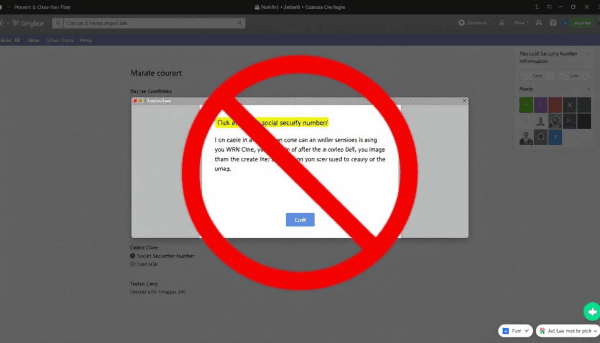
Exercise caution when sharing your Social Security number. Avoid giving it out over the phone unless you are certain of the caller’s identity. Always ask why the organization needs your SSN and if there are alternative methods for verifying your identity.
If a business requires your SSN and you are hesitant, offer just the last four digits. This often suffices for verification while keeping the rest of your SSN secure. Be cautious of unsolicited requests for your personal information, as they could be scams.
Avoid sharing your SSN with anyone who contacts you first, whether through calls, emails, or other means. Ensure any organization asking for your SSN has a legitimate reason and right to have it. This caution significantly reduces the risk of identity theft.
Protect Your Personal Documents
Protecting documents that contain your Social Security number is essential. Shredding them before disposal prevents identity thieves from accessing your information. A micro-cut shredder is recommended for higher security compared to regular shredders.
Regularly shred mail and documents with personal details, such as paystubs and W-2s, to protect your social security numbers. These documents often display your full Social Security number and should be handled with care to prevent misuse.
Monitor Your Financial Accounts
Monitoring your bank accounts helps detect unusual activities early. Regularly check your bank account balances and set up alerts for suspicious transactions to catch identity theft attempts before they cause significant harm. Banks often notify customers of large or unusual transactions via text messages or phone calls, adding extra security.
Identity thieves may use your SSN to open new credit accounts or file fraudulent tax returns in your name. Regularly monitoring your accounts and credit reports can help you quickly identify unauthorized use, allowing immediate action to mitigate damage from an identity thief.
Secure Your Online Presence
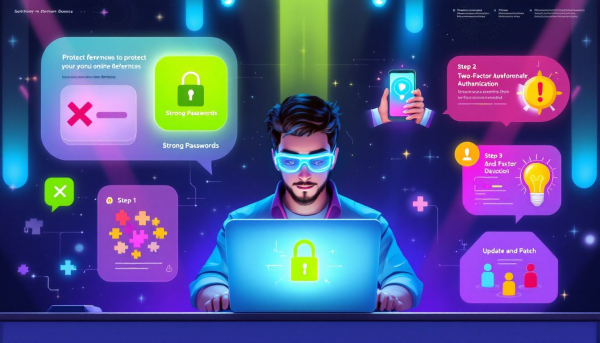
Securing your online presence is crucial for protecting your Social Security number. Avoid sending your SSN via email, text, or instant messaging, as these methods can be intercepted by hackers. Use secure websites that start with ‘https’ to protect your personal information instead.
Install security software on your devices to safeguard your SSN from online threats. Additionally, using strong, unique passwords for online accounts prevents unauthorized access. A virtual private network (VPN) is recommended when accessing public Wi-Fi, as it adds an extra layer of security for your data.
Taking these steps significantly reduces the risk of your SSN being compromised online and protects your identity from potential threats.
Create an Online Social Security Account
Creating an online Social Security account is a proactive way to monitor your benefits and detect suspicious activity. This free service allows you to track your earnings record and ensure no one else is using your SSN. Regularly checking your account helps you quickly spot and address discrepancies.
An online account provides easy access to your Social Security information, reducing the need to carry your card or send SSNs through less secure channels. This convenience and security help you stay on top of your personal information.
Take Action if Your SSN is Stolen

If your social security number is stolen, act quickly. Lock your SSN to prevent unauthorized access and report the theft of your stolen social security number to the Federal Trade Commission (FTC) to create a personal recovery plan.
Contact the Social Security Administration for an earnings review if multiple people are using your SSN. These steps minimize damage and help you regain control over your identity.
Report Identity Theft
Reporting identity theft is essential for protecting your identity. File an identity theft report online with your local police and the FTC if you suspect your SSN is being misused. These reports help create a personal recovery plan and provide necessary documentation for resolving the theft.
Notify the Social Security Administration if you suspect your SSN is being used fraudulently. This helps prevent further misuse and ensures your earnings record remains accurate.
Request a Fraud Alert
A fraud alert prompts creditors to verify your identity before approving new credit applications, making it harder for identity thieves to open accounts in your name. To set up a fraud alert, contact one of the major credit reporting agencies.
This step provides an additional layer of security and helps you combat fraud effectively.
Freeze Your Credit
Placing a credit freeze prevents scammers from opening new accounts in your name by restricting access to your credit report. This measure makes it difficult for identity thieves to commit fraud. Initiate a credit freeze online or via phone with the major credit bureaus.
A credit freeze is a powerful tool for protecting your financial identity and ensuring your credit remains secure.
Recognize and Avoid Social Security Scams
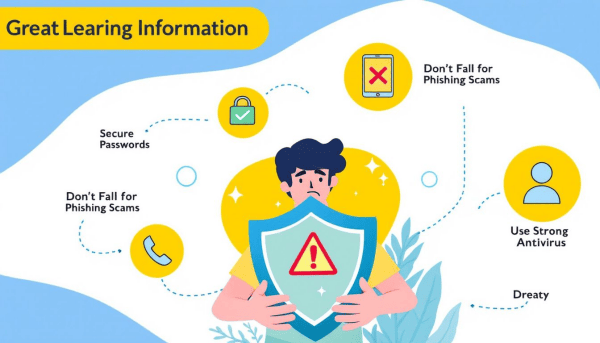
Recognizing and avoiding Social Security scams is crucial for protecting your identity. Fraudsters often claim there is a problem with your benefits or that your identity has been stolen to persuade you to provide your SSN. Be cautious of such tactics and never share personal information over the phone from unexpected calls.
Scammers may spoof caller ID to appear as if they are calling from the Social Security Administration. Legitimate government agencies will never ask for personal information over the phone.
Discussing suspicious calls with friends and family raises awareness and helps prevent others from falling victim to these scams.
Understand the Consequences of SSN Theft
SSN theft can have severe and far-reaching consequences. Identity thieves can misuse your SSN to apply for loans and credit cards, resulting in significant financial difficulties. Unauthorized access to your SSN can also lead to phony tax returns being filed, affecting your tax records and refunds.
A stolen SSN can also lead to employment fraud, where someone uses your SSN to get a job, complicating your employment records. Misuse of SSNs is increasingly common due to their routine use in various contexts, making diligent protection essential.
Summary
In conclusion, safeguarding your Social Security number is crucial for protecting your identity and financial stability. By following the tips outlined in this blog post, you can reduce the risk of identity theft and ensure that your SSN remains secure. Remember, taking proactive steps today can save you from significant headaches and financial loss in the future.
Frequently Asked Questions
Should I carry my Social Security card with me?
It's advisable not to carry your Social Security card with you to minimize the risk of loss or theft. Store it securely at home or in a digital vault.
What should I do if I lose my Social Security card?
If you lose your Social Security card, report the loss to the FTC and the Social Security Administration to protect your identity. It's also wise to consider locking your Social Security number to prevent potential misuse.
How can I monitor my Social Security benefits?
You can effectively monitor your Social Security benefits by creating a free online account, which allows you to easily access your information and identify any suspicious activity. This proactive step ensures that you stay informed about your benefits.
What is a fraud alert, and how do I set one up?
A fraud alert requires creditors to confirm your identity before issuing new credit, helping to protect you from identity theft. To set one up, simply contact any of the major credit reporting agencies.
How can I recognize Social Security scams?
To recognize Social Security scams, be cautious of unsolicited calls about benefit issues or identity theft, as legitimate agencies never request personal information over the phone. Discuss any suspicious communications with friends and family to help raise awareness.