Top Tips on How to Lower Car Insurance Costs
Searching for how to lower car insurance? This guide offers effective tips like comparing quotes, increasing your deductible, and taking advantage of discounts to reduce your premiums.
Key Takeaways
Comparing multiple quotes from different insurers can help secure the best car insurance rates and coverage options.
Increasing your deductible can significantly lower premiums, but ensure you can cover the higher out-of-pocket costs if a claim arises.
Bundling insurance policies and taking advantage of available discounts, like safe driving and low mileage, can lead to considerable savings on car insurance.
Compare Multiple Car Insurance Quotes

Comparing multiple quotes is an effective way to secure the best deal on car insurance. Shopping around and getting at least three price quotes can help you find the best car insurance rates available. Utilizing online comparison sites can streamline this process, making it easy to see different options side by side.
When comparing insurance quotes, pay close attention to:
The coverage options included, as they can vary significantly from one insurer to another.
Whether the insurance company offers price-matching guarantees, which can be beneficial if you find a lower rate elsewhere.
Customer reviews and ratings of insurers, which provide valuable insights into customer satisfaction and the quality of service and claims handling.
Timing your insurance quotes can also matter, as rates may vary based on the time of year. By taking the time to compare quotes and understand the details of each offer, you can make an informed decision that best suits your insurance needs and budget.
Increase Your Deductible
Increasing your deductible is a straightforward way to lower your car insurance premiums. By opting for a higher deductible, you can potentially reduce your premiums by 15 to 40 percent. However, it’s crucial to ensure that you have enough money set aside to cover the deductible in the event of a claim.
Insurance providers typically allow various deductible amounts, with some companies offering options up to $2,500. Before making this change, consider your financial situation and how comfortable you are with the higher out-of-pocket expense. If you can manage the higher deductible, this strategy can lead to significant savings on your auto insurance costs.
Bundle Policies with the Same Insurer
Bundling your insurance policies with the same insurer can lead to substantial discounts. By combining multiple policies, such as auto and homeowners insurance, you can often receive reductions on your overall premiums. Amica provides a multi-policy discount. Bundling home and auto insurance can save you up to 30%.
To qualify for these discounts and other discounts, you need to purchase two or more different lines of insurance from the same company. Many insurers also offer discounts for insuring multiple vehicles, which can further reduce your car insurance rates.
Even with potential savings, shopping around for the best rates is advisable. While bundling offers discounts, comparing quotes from several insurance companies ensures you get the best overall deal with an independent insurance agent. Most insurance companies provide various options to help you save.
Take Advantage of Available Discounts

Insurance companies offer a variety of discounts that can significantly lower your car insurance premiums. Car insurance companies provide options for students maintaining good grades to receive a good student discount; for example, Geico offers up to 15% off for young drivers who excel academically.
Safe driver discounts are also available for those who maintain a clean driving record over a specific duration. For example, to qualify for a good drivers discount from State Farm, you must have three years without moving violations or at-fault accidents as a young driver. Having an accident-free driving record can lead to extra savings. It can provide financial benefits over time.
Driving fewer miles often results in reduced premiums, as insurance providers reward low mileage with lower rates. These various discounts can add up, resulting in substantial savings on your car insurance costs.
Maintain a Good Driving Record

Maintaining a good driving record is one of the most effective ways to keep your car insurance premiums low. Insurers view a clean driving history as an indicator that you are less likely to file claims, which can lead to lower insurance costs. Conversely, accidents or traffic violations can increase your perceived risk, resulting in higher premiums.
Some insurers offer incentives for maintaining continuous coverage without gaps, which can further reduce your rates. Consistent safe driving makes sense and can yield cumulative savings over time, making it worthwhile to avoid at fault accident and moving violations.
The benefits of a clean driving record go beyond just lower premiums. A defensive driving course can enhance safe driving habits, contributing to overall highway safety and protecting you and other motorists on the road.
Improve Your Credit History
Improving your credit history can have a significant impact on your car insurance premiums. Insurers use credit information to help price auto insurance policies, and a good credit record can lead to lower rates.
Maintaining a good credit history involves paying bills on time, reducing debt, and managing credit responsibly. This can qualify you for specific discounts and save money on car insurance.
Reduce Coverage on Older Vehicles
For older vehicles, reducing or dropping collision and comprehensive coverage can lead to significant savings on insurance costs. If the car’s value is less than ten times the insurance premium, it may be wise to consider cutting back on these coverages.
Evaluating how much coverage you need for an older vehicle can help you make informed decisions about adjusting your insurance policy and auto policies. Reducing unnecessary coverage lowers your car insurance premiums without sacrificing essential protection.
Consider Pay-Per-Mile Insurance
Pay-per-mile insurance is an innovative option that can lead to substantial savings for drivers who don’t log many miles. With pay-per-mile plans, you pay based on the actual distance you drive, which can result in savings exceeding 40% compared to traditional policies.
Most pay-per-mile plans require a device or app to monitor your mileage, such as Milewise® from Allstate. Embracing this type of insurance can lower your premiums if you drive less, making it cost-effective for low-mileage drivers.
Install Safety Features in Your Vehicle

Equipping your vehicle with advanced safety features can qualify you for significant auto insurance discounts. Insurers often provide lower premiums for vehicles equipped with features like anti-lock brakes, airbags, and blind-spot monitoring.
For example, State Farm and other companies offer discounts of up to 40% for vehicles with various safety features. Investing in these enhancements not only improves your vehicle’s safety but also reduces your insurance costs.
Utilize Group Insurance Plans
Group insurance plans can offer lower premiums compared to individual policies. Employers often provide group insurance as part of their employee benefits, which can lead to significant savings.
Membership in certain organizations or associations can also qualify you for discounted car insurance rates. For instance, professional organizations, alumni groups, and other associations often offer these benefits to their members.
Check with your employer or any associations you belong to for available group insurance plans. These plans can offer lower rates and better coverage compared to individual policies, making them a cost-effective option for many.
Drive Less to Qualify for Low Mileage Discounts
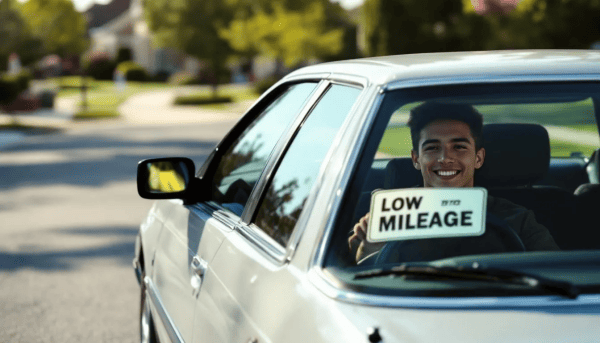
Driving less can make you eligible for low mileage discounts, which help reduce your overall auto insurance costs. Many insurance companies offer specific discounts for drivers who log fewer miles annually, rewarding reduced driving with lower premiums.
Adopting habits that reduce your annual mileage, such as carpooling or using public transportation, could save you for these discounts and save money on car insurance.
Summary
Lowering your car insurance costs is achievable through various strategies, from comparing multiple quotes to taking advantage of available discounts and maintaining a good driving record. Each tip covered in this blog post offers practical advice to help you reduce your premiums and save money.
By implementing these strategies, you can take control of your car insurance expenses and ensure you are getting the best possible deal. Start applying these tips today and enjoy the benefits of lower car insurance costs.
Frequently Asked Questions
How can I find the best car insurance rates?
To find the best car insurance rates, compare multiple quotes from various insurance companies using online comparison tools, and consider customer reviews for insights. This will help you make an informed choice and secure the best deal.
What is the benefit of increasing my deductible?
Increasing your deductible can significantly lower your car insurance premiums, often by 15 to 40 percent. However, it's crucial to ensure you have sufficient funds available to cover the higher out-of-pocket costs in the event of a claim.
How can bundling policies save me money?
Bundling your policies, like auto and homeowners insurance, can significantly reduce your premiums by providing substantial discounts. This approach not only saves you money but also simplifies managing your insurance needs.
What types of discounts can I get on my car insurance?
You can obtain several types of discounts on your car insurance, including good student discounts, safe driver discounts, and low mileage discounts, all of which can help lower your premiums significantly.
How does my credit history affect my car insurance rates?
A good credit history can lower your car insurance rates, as insurers use credit information to determine pricing and may offer discounts for better scores. Thus, maintaining strong credit is beneficial for securing more affordable insurance premiums.