10 Best Tips on How to Lower Your Energy Bill
High energy bills stressing you out? Learn how to lower your energy bill with simple tips that you can start implementing today.
Key Takeaways
Conduct a home energy audit to identify energy waste and potential savings of 5% to 30%.
Optimize heating, cooling, and water heating systems by making small adjustments, performing regular maintenance, and using energy-efficient appliances.
Explore utility company programs for financial assistance and incentives that can help you lower your energy bills while improving efficiency.
Conduct a Home Energy Audit
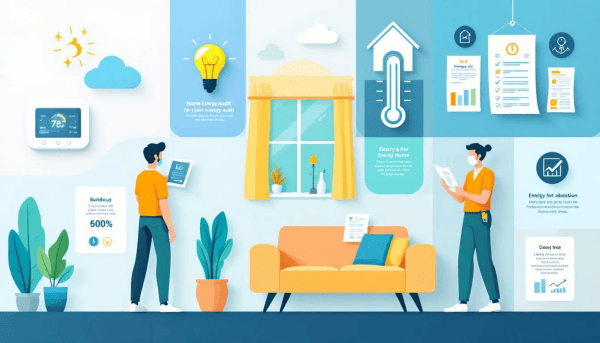
One of the first steps to reducing your energy bill is to conduct a home energy audit. This systematic evaluation of your home’s energy performance identifies areas where energy is wasted and suggests improvements. The benefits are substantial; homeowners can save between 5% to 30% on their energy bills by addressing the issues found during an audit. Many utility companies even offer free energy audits to help you get started.
A home energy audit identifies areas for improvement, laying the groundwork for your energy-saving efforts.
Optimize Heating and Cooling Systems
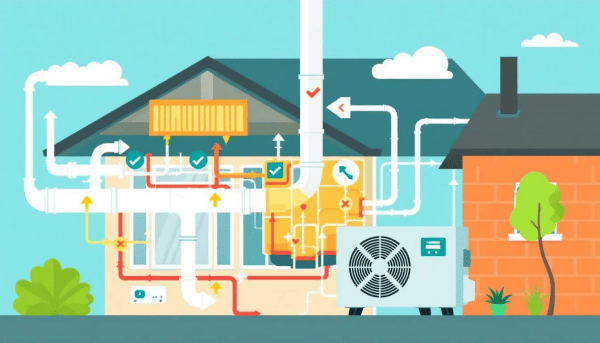
Heating and cooling account for a significant portion of residential energy use, so optimizing these systems can lead to substantial energy savings. After conducting a home energy audit, you’ll likely discover inefficiencies in your heating and cooling systems that need addressing. Recommended upgrades not only improve efficiency but can also extend the lifespan of your HVAC systems.
There are several ways to optimize heating and air conditioner systems, such as adjusting thermostat settings and performing regular maintenance.
Adjust Thermostat Settings
Adjusting your programmable thermostat setting is a simple yet effective way to save energy. Increasing your thermostat by 7-10 degrees when away results in significant energy savings. Similarly, lowering the thermostat by the same amount for eight hours daily can save around 10% annually.
These adjustments can significantly reduce your annual energy costs without compromising comfort.
Regular Maintenance
Regular maintenance of your heating and cooling systems is crucial for maintaining their efficiency. Key maintenance tasks include:
Cleaning or replacing air filters every 60-90 days to ensure optimal operation
Increasing the lifespan and efficiency of your HVAC systems
Achieving significant energy savings and long-term cost reductions through this simple task.
Improve Water Heating Efficiency
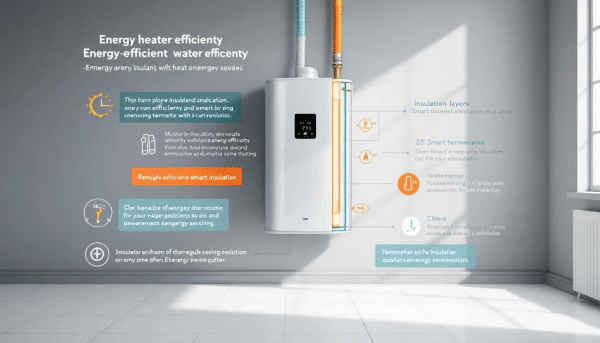
Water heating accounts for approximately 12% of a household’s total energy consumption. Improving water heating efficiency leads to notable energy savings. Cutting shower durations is a simple yet effective way to reduce energy and water heating costs. Shorter showers not only conserve water but also decrease the amount of energy needed to heat that water, contributing to lower energy costs.
Let’s explore two specific strategies: reducing water heater temperature and using warm or cold water for laundry.
Reduce Water Heater Temperature
Lowering your water heater temperature to 120°F is a great way to save energy. This adjustment can lead to significant annual energy savings, ranging from 4% to 22%. Reducing the temperature enhances energy savings without affecting hot water availability, making it an excellent choice for those with water heaters.
Use Cold Water for Laundry
Washing clothes in cold water can significantly decrease energy costs, as heating water for laundry consumes a large amount of energy. Additionally, using cold water helps extend the lifespan of your garments, making it a win-win for both your wallet and your wardrobe.
Upgrade to Energy-Efficient Appliances
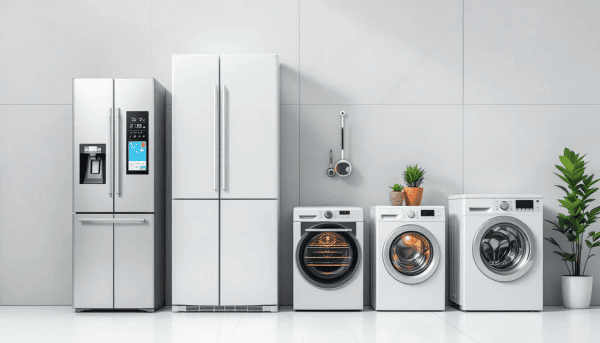
Upgrading to energy-efficient new appliances is one of the most effective ways to lower your energy consumption. Replacing outdated appliances can lead to significant energy savings and lower utility bills. Investing in energy-efficient appliances not only reduces your energy costs over the lifespan of the appliance but also increases your property’s market value.
We will examine the benefits of Energy Star appliances and the importance of operating appliances only when fully loaded.
Energy Star Appliances
Energy Star certified appliances are designed to use up to 50% less energy than standard models, resulting in considerable savings. These appliances consume less energy without sacrificing performance, contributing to lower utility costs over time. Choosing Energy Star appliances makes your home more energy-efficient and environmentally friendly.
Only Full Loads
Running appliances like dishwashers and washing machines only when fully loaded helps conserve water and energy. Washing dishes while operating these appliances at full capacity enhances their energy efficiency and minimizes waste.
This simple habit can lead to a notable reduction in energy consumption each month, making it an energy saver.
Enhance Lighting Efficiency
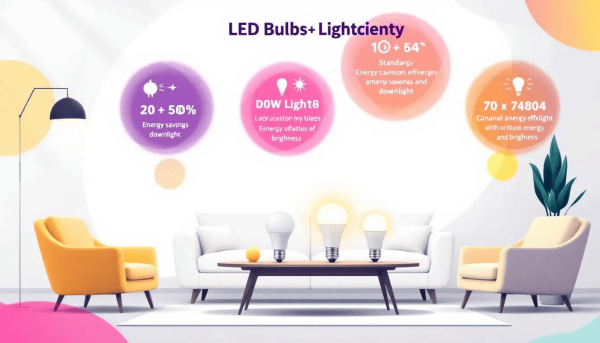
Enhancing lighting efficiency is another effective way to reduce your energy bill. Switching to energy-efficient lighting can significantly cut down on electricity costs while contributing to environmental sustainability. Adopting LED lighting solutions can reduce household energy consumption by at least 75% compared to traditional incandescent bulbs.
Let’s explore the benefits of LED bulbs and installing dimmer switches for your lights.
LED Bulbs
Switching from incandescent to LED bulbs can save an average household about $225 annually on energy bills. LED bulbs are not only more energy-efficient but also have a longer lifespan, making them a cost-effective lighting solution.
Dimmer Switches
Installing dimmer switches allows you to adjust light levels based on your actual needs, leading to reduced energy usage. Using dimmer switches results in significant energy savings and lower electricity bills.
Minimize Standby Power Consumption
Standby power consumption, also known as ‘vampire power,’ can represent between 5% to 10% of energy use in a typical household. ‘Vampire’ appliances, such as cable/satellite boxes, coffee makers, and charging cables, can add $100 or more to annual energy costs.
Unplugging appliances when not in use prevents unnecessary energy consumption. Using power strips with on/off switches can effectively cut power to multiple devices, helping you save even more.
Seal Air Leaks and Insulate
Sealing air leaks and adding insulation are crucial steps for improving energy efficiency. Key benefits include:
Reducing air leaks can significantly lower heating and cooling costs while enhancing indoor comfort.
Sealing air ducts can improve heating and cooling efficiency by as much as 20%.
Addressing air leaks and adding insulation can lead to significant reductions in heating and cooling costs, averaging about 15% savings.
Let’s explore the benefits of weather stripping and insulating attics and crawl spaces.
Weather Stripping
Weather stripping is an effective strategy to minimize air exchange, enhancing energy conservation and comfort while keeping warm air inside.
Applying weather stripping around doors and windows prevents drafts and helps maintain indoor temperatures effectively.
Insulate Attics and Crawl Spaces
Insulating attics and crawl spaces is crucial for minimizing heat loss in homes, contributing to better energy efficiency. Proper insulation in these areas can enhance home comfort and lead to substantial reductions in energy bills.
Utilize Natural Light and Ventilation
Utilizing natural light and ventilation can significantly reduce energy consumption for lighting and cooling. Benefits include:
Natural illumination can reduce energy consumed for artificial lighting in buildings by up to 75%.
Integrating daylighting solutions in building design enhances energy efficiency.
Reduces reliance on artificial lighting sources.
Effective daylighting design requires an integrated approach that considers the building’s orientation and glazing in relation to the sun’s path.
Manage Appliance Usage
Managing appliance usage is essential for conserving energy and reducing your energy bill. Here are some effective strategies:
Turn off or adjust your thermostat to a less-comfortable temperature when you’re not home.
Use low-flow fixtures to save between 25% to 60% on hot water usage, effectively lowering water heating expenses.
Repair leaks in fixtures to save a significant amount of hot water, potentially reducing costs substantially.
Be mindful of how and when you use appliances to conserve energy and reduce your energy bill. Let’s explore the benefits of air drying dishes and limiting shower time.
Air Dry Dishes
Using the air dry option on a dishwasher can significantly save energy compared to the heated dry cycle. An average dishwasher uses about 6 gallons of hot water per cycle, but older dishwashers can use up to 16 gallons per load, highlighting their inefficiency.
Opting for the air dry function instead of the heated dry option promotes energy savings.
Limit Shower Time
Taking shorter showers helps conserve water and save energy associated with water heating. Reducing shower duration significantly lowers the energy needed to heat the water.
Follow simple tips, like setting a timer or using a shower bucket, to help effectively limit your shower time.
Explore Utility Company Programs
Many utility companies offer programs that provide financial assistance to customers struggling to pay their bills. These programs can include off peak times rates, which are lower energy prices charged during times of reduced demand, encouraging users to shift their energy usage to these periods for additional savings. Additionally, utility companies often provide energy-saving incentives, such as rebates for purchasing energy-efficient appliances or making home upgrades. Exploring these programs allows you to take advantage of various opportunities to reduce your energy bill and improve your home’s energy efficiency.
Another valuable resource offered by utility companies is the home energy audit. Some companies provide these audits for free or at a reduced cost. Taking advantage of these audits helps identify areas for improvement and implement changes to lower energy consumption and costs.
Don’t hesitate to reach out to your utility company to learn more about the assistance programs and resources available to help you save energy and money.
Summary
Lowering your energy bill doesn’t have to be a daunting task. By implementing the ten tips covered in this blog post, you can make significant strides towards reducing your energy costs and improving your home’s energy efficiency. From conducting a home energy audit to exploring utility company programs, each step offers valuable opportunities for energy savings. Simple actions like adjusting thermostat settings, using cold water for laundry, and switching to LED bulbs can lead to substantial reductions in your energy usage and costs.
In conclusion, taking control of your energy consumption is not only beneficial for your wallet but also for the environment. By making small, consistent changes, you can create a more energy-efficient home and contribute to a sustainable future. Start with one or two tips that resonate with you and gradually incorporate more strategies over time. Together, these efforts will add up to significant energy savings and a more comfortable living space. Let’s embark on this energy-saving journey and make a positive impact on our lives and the planet.
Frequently Asked Questions
What is a home energy audit, and how can it help me save on my energy bill?
A home energy audit is a thorough assessment of your home's energy efficiency, pinpointing energy waste and recommending improvements. By implementing these suggestions, you could save 5% to 30% on your energy bills, making it a smart investment in both your home and finances!
How can adjusting my thermostat settings save me money?
Adjusting your thermostat by 7-10 degrees while you're away can save you about 10% on your energy bill annually. It's a simple step that can make a big difference in your savings!
Why should I consider using Energy Star appliances?
Using Energy Star appliances not only helps you save up to 50% on energy costs, but it also contributes to a more sustainable environment. Make the switch today for both your wallet and the planet!
What are the benefits of using LED bulbs over traditional incandescent bulbs?
Using LED bulbs can save you around $225 a year on energy bills due to their energy efficiency and long lifespan. Make the switch today for both your wallet and the environment!
How can utility company programs help me save on my energy bill?
Taking advantage of utility company programs can significantly lower your energy bill through financial assistance, off-peak rates, and rebates for energy-efficient upgrades. Embrace these opportunities to save money and enhance your home's efficiency!